Imagine a world where waste isn’t wasted, where every discarded item gets a second, third, or even fourth chance at life. Sounds like a dream, right? But it’s not. This incredible vision is the everyday reality we build when we embrace the powerful, transformative benefits of recycling. It’s more than just sorting your trash; it’s a vibrant commitment to a healthier planet, a stronger economy, and a brighter future for all. Get ready to be inspired, because the impact of recycling is truly monumental, touching every aspect of our lives and the world around us!
Recycling is a superhero for the environment, working tirelessly to shield our planet from harm and preserve its natural beauty. Its ecological advantages are profound and far-reaching, directly tackling some of the most pressing environmental challenges we face today.
Reducing Landfill Waste
One of the most immediate and visible benefits of recycling is the drastic reduction in landfill waste. Landfills are overflowing, taking up valuable land, emitting harmful gases, and posing long-term environmental threats. Every aluminum can, plastic bottle, glass jar, or cardboard box you recycle diverts waste from these sites. Globally, millions of tons of waste are generated annually. By recycling, we significantly decrease the volume of material buried, extending the life of existing landfills and reducing the need for new ones. Think about it: a single glass bottle can take a million years to decompose in a landfill, but it can be recycled endlessly. That’s a powerful transformation!
Conserving Natural Resources
Our planet’s natural resources are finite. From towering forests that become paper to mineral ores extracted for metals and fossil fuels used for plastics, every new product demands raw materials. Recycling acts as a vital bridge, allowing us to reuse these materials, effectively conserving what nature has provided.
Trees: Recycling paper and cardboard saves countless trees, preserving vital forests that are critical for oxygen production, biodiversity, and carbon sequestration.
Minerals: Reusing metals like aluminum, steel, and copper means less mining, which is an energy-intensive and often environmentally disruptive process.
Oil and Gas: Recycling plastics significantly reduces the demand for new plastics, which are derived from petroleum, a non-renewable resource.
Water: Many industrial processes for creating virgin materials are water-intensive. Recycling often requires far less water.
By giving materials a new life, we lessen the strain on our ecosystems and ensure these precious resources are available for future generations.
Lowering Greenhouse Gas Emissions
This is where recycling truly shines as a climate champion! Manufacturing products from recycled materials almost always requires less energy than producing them from virgin raw materials. For example, recycling aluminum saves 95% of the energy needed to make new aluminum from scratch. Similarly, recycled steel saves 75%, recycled paper saves 60%, and recycled plastic saves 70% of the energy needed for new production.
Lower energy consumption directly translates to reduced greenhouse gas emissions, such as carbon dioxide, which contribute to climate change. Every kilowatt-hour saved by using recycled content means less fossil fuel burned, less pollution released, and a smaller carbon footprint for our manufacturing industries. It’s a direct, tangible step towards combating global warming.
Preventing Pollution
Recycling is a formidable shield against various forms of pollution. The extraction and processing of virgin materials are often dirty businesses. Mining can contaminate water and soil, while industrial manufacturing plants emit air pollutants.
Air Pollution: Less energy use means fewer emissions from power plants. Additionally, recycling reduces the incineration of waste, which releases toxic chemicals and particulate matter into the air.
Water Pollution: Reducing industrial processing of raw materials lessens the discharge of contaminated wastewater into rivers and oceans.
Soil Pollution: Fewer landfills mean less leachate (toxic liquid formed when waste decomposes) seeping into groundwater and soil.
By embracing recycling, we directly contribute to cleaner air, purer water, and healthier soil for everyone.
Protecting Biodiversity
When we reduce the demand for raw materials, we lessen the pressure on natural habitats. Fewer forests are cleared, fewer mines are dug, and fewer natural landscapes are disturbed. This preservation of natural spaces is crucial for protecting countless species of plants and animals that call these ecosystems home. Recycling directly supports biodiversity by allowing nature to thrive undisturbed. It’s a silent guardian for the intricate web of life on Earth.
Fueling Progress: Economic Advantages of Recycling
Beyond its critical environmental role, recycling is a powerful economic engine, generating jobs, saving energy, fostering innovation, and building more resilient local economies. It’s a win-win scenario where doing good for the planet also means doing good for our wallets and communities.
Job Creation
The recycling industry is a significant employer! It’s not just about the bins at the curb. The entire recycling chain—from collection and sorting to processing, manufacturing new products from recycled content, and retail—creates a diverse range of jobs. Collection drivers, sorters, plant operators, material scientists, sales representatives, and even artists who upcycle materials all contribute to this vibrant sector. Studies consistently show that recycling creates far more jobs per ton of waste than landfilling or incineration. It’s a sustainable industry that puts people to work.
Saving Energy
We touched on this when discussing greenhouse gas emissions, but it’s worth reiterating its immense economic value. The energy saved by using recycled materials is enormous. Imagine the electricity bills of massive factories. When they switch from energy-intensive virgin material processing to more efficient recycled material processing, the cost savings are substantial. This energy efficiency translates into lower production costs for businesses, which can then be passed on to consumers or reinvested into innovation and growth. For instance, creating products from recycled plastic power can be revolutionary, both environmentally and economically.
Economic Growth and Innovation
Recycling fuels innovation! The challenge of efficiently collecting, sorting, and transforming discarded materials into high-quality new products drives research and development. This leads to new technologies, better machinery, and advanced material science. Think about companies developing new ways to recycle complex plastics or creating durable building materials from construction waste. This constant push for efficiency and new applications stimulates economic growth, attracting investment and fostering a dynamic circular economy. It’s an exciting frontier for entrepreneurial spirit!
Reducing Production Costs
For manufacturers, using recycled content can often be cheaper than sourcing and processing virgin raw materials. This is due to the lower energy requirements and sometimes lower acquisition costs of recycled feedstocks. When businesses save money on production, it can lead to more competitive pricing for consumers, increased profits for companies, and greater overall economic stability. It’s a smart business decision that aligns perfectly with environmental responsibility.
Stabilizing Raw Material Prices
Relying heavily on virgin raw materials can expose industries to volatile market prices and geopolitical instabilities. Recycling offers a buffer. By creating a domestic supply of secondary raw materials, countries and companies become less dependent on fluctuating global commodity markets. This increased self-reliance can lead to more stable production costs and a more secure supply chain, strengthening national economies against external shocks.
Building Healthier Communities: Social Impacts of Recycling
The ripple effect of recycling extends directly into our neighborhoods, creating more pleasant, safer, and healthier places for us to live, work, and play. Its social benefits are deeply intertwined with environmental improvements and economic stability.
Cleaner Local Environments
No one enjoys seeing litter strewn across parks, streets, or natural spaces. Recycling programs encourage responsible waste management, leading to noticeably cleaner public areas. When people have easy access to recycling options, they are less likely to illegally dump or simply discard waste. Cleaner environments aren’t just aesthetically pleasing; they foster a sense of community pride and well-being. Imagine walking through a pristine park, knowing that collective efforts are keeping it beautiful.
Promoting Environmental Stewardship and Education
Recycling programs serve as powerful educational tools. They raise awareness about environmental issues, resource conservation, and personal responsibility. When children learn to sort recyclables at school or home, they develop a lifelong understanding of sustainability. This fosters a sense of environmental stewardship throughout the community, encouraging people to think critically about their consumption habits and the impact of their choices. It’s a practical way to engage everyone in the larger conversation about protecting our planet. This mindset extends to careful home management, much like how preventive home care saves more than just money.
Improved Public Health
Reduced pollution from manufacturing and landfills has a direct, positive impact on public health. Less air pollution means fewer respiratory illnesses. Cleaner water reduces waterborne diseases. Less exposure to hazardous waste improves overall community health outcomes. By mitigating environmental hazards, recycling contributes to a healthier population, potentially reducing healthcare costs and improving quality of life for everyone. It’s a proactive approach to community well-being.
Resource Security
For communities and nations, recycling contributes to a form of resource security. By recovering and reusing valuable materials, we reduce reliance on external suppliers for raw goods. This local circularity can make communities more resilient, especially in times of global supply chain disruptions. It’s about building a sustainable local economy that makes the most of its own resources.
Beyond the Bin: The Broader Ripple Effect
The advantages of recycling extend far beyond the immediate environmental, economic, and social gains. It’s a catalyst for broader cultural and technological shifts, inspiring innovation and fostering a more sustainable future.
Inspiring Innovation and Sustainable Design
The necessity of recycling pushes designers and engineers to rethink product lifecycles. This leads to “design for disassembly,” where products are created with future recycling in mind, making them easier to break down into their component materials. It also spurs the development of new materials that are more easily recyclable or made from recycled content. The pursuit of a circular economy, where resources are kept in use for as long as possible, extracting the maximum value from them whilst in use, then recovering and regenerating products and materials at the end of each service life, is directly inspired by the principles of recycling. This innovative spirit is key to tackling future environmental challenges.
Reducing Our Carbon Footprint
On an individual and collective level, recycling significantly shrinks our carbon footprint. Every time we choose a recycled product, or ensure our waste is sorted correctly, we are making a choice that reduces energy consumption, limits greenhouse gas emissions, and conserves resources. This cumulative effect, when millions of people participate, leads to a massive overall reduction in environmental impact. It’s a simple action with profound global consequences.
Shifting Mindsets: From Linear to Circular
Perhaps one of the most powerful long-term benefits of recycling is its role in shifting societal mindsets. For too long, humanity has operated on a linear “take-make-dispose” model. Recycling challenges this, promoting a “reduce-reuse-recycle” circular approach. It encourages us to see waste not as an end, but as a beginning—a valuable resource waiting to be transformed. This shift in perspective is crucial for achieving true sustainability and creating a future where human activity thrives in harmony with the natural world. Engaging in creative reuse, like DIY anniversary gifts or DIY clothing hacks, perfectly embodies this circular thinking.
Recycling in Action: Practical Tips for Everyday Impact
Now that you’re brimming with enthusiasm about the incredible benefits of recycling, let’s talk about how you can maximize your impact every single day. Small changes in habit can lead to massive collective good!
Know Your Local Rules
Recycling isn’t a one-size-fits-all endeavor. What’s accepted in one town might not be in another. Different municipalities have different capabilities regarding the types of plastics, glass, metals, and papers they can process.
Check your local government website: This is usually the best source for current guidelines.
Look for clear labeling: Many bins and recycling centers have clear instructions.
“When in doubt, throw it out” (for recyclables): Contaminated or unrecyclable items can spoil an entire batch, so it’s often better to discard an item if you’re truly unsure, rather than “wishcycling.”
Understanding your local system is the first step to becoming an effective recycler.
Reduce, Reuse, Recycle: The Golden Hierarchy
Remember the 3 R’s? They are listed in order of priority for a reason!
1. Reduce: The most effective way to manage waste is to prevent it in the first place. Choose products with minimal packaging, buy in bulk, and question whether you truly need an item before purchasing it. Less consumption means less waste to deal with. 2. Reuse: Before you toss something, think if it can have another life. Can that glass jar become storage? Can old clothes be repurposed as cleaning rags or donated? Reusing extends product lifespans and avoids the energy required for both new production and recycling. 3. Recycle: Once an item has served its original purpose and cannot be reused, recycling steps in to give it a new form. This is the crucial final step in preventing waste from ending up in landfills.
Embracing this hierarchy will supercharge your sustainable living efforts.
Composting: Don’t Forget Organic Waste!
Recycling isn’t just for paper, plastic, and metal. Organic waste, like food scraps and yard trimmings, makes up a significant portion of our landfills. When organic matter decomposes in landfills without oxygen, it produces methane, a potent greenhouse gas. Composting offers a fantastic solution!
Home Composting: Start a compost pile or bin in your backyard. It turns food scraps, coffee grounds, and garden waste into nutrient-rich soil for your plants.
Community Composting: Many cities offer curbside organic waste collection or community drop-off points. Check if this is available in your area.
Composting reduces landfill waste, enriches soil, and lowers greenhouse gas emissions. It’s a powerful yet often overlooked aspect of responsible waste management.
Creative Reuse and Upcycling
Let your imagination soar! Upcycling is taking an item that would otherwise be discarded and transforming it into something new and often more valuable or beautiful. This goes beyond simple reuse; it’s an act of creative reinvention.
DIY Projects: Turn old tires into garden planters, glass bottles into decorative lamps, or old t-shirts into tote bags.
Art and Craft: Many artists find inspiration in discarded materials, creating stunning works that give new life to forgotten objects. This ties into the broader concept of sustainable art and design, where items like art studio organization ideas can even benefit from upcycled storage.
Creative reuse is not only sustainable but also a fantastic way to express individuality and reduce reliance on new purchases.
Your Role in a Greener Tomorrow
The incredible benefits of recycling are undeniable, painting a vivid picture of a world where environmental stewardship, economic prosperity, and community well-being go hand-in-hand. From saving our precious natural resources and dramatically cutting greenhouse gas emissions to fostering job growth and inspiring innovation, every single act of recycling contributes to a brighter, more sustainable future.
It’s a powerful tool in our collective effort to heal the planet and build a resilient society. By reducing our waste, reusing what we can, and diligently recycling the rest, we become active participants in this vital transformation. So, let’s commit to making recycling a priority, inspiring those around us, and truly unlocking a better future, one recycled item at a time! Your actions matter, and together, we can make an extraordinary difference.
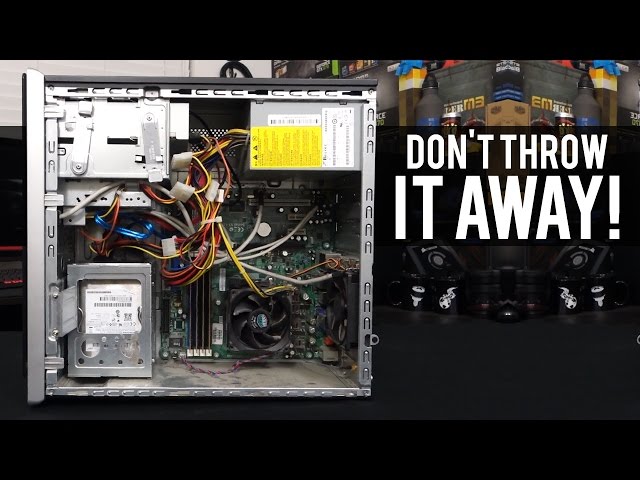
In an era where technology is advancing at an unprecedented rate, many of us find ourselves with outdated computers collecting dust in a corner. While…
In today’s world, the proper management of electronic waste, or e-waste, is becoming increasingly important. Waste management companies are implementing cutting-edge techniques to recover valuable…
In today’s digital age, electronic waste, or e-waste, has become a global concern due to the improper disposal of electronic devices. The demand for ethical…
In today’s digital age, access to technology and the internet has become increasingly important for economic, educational, and social opportunities. However, not everyone has equal…
We use cookies on our website to give you the most relevant experience by remembering your preferences and repeat visits. By clicking “Accept”, you consent to the use of ALL the cookies.
This website uses cookies to improve your experience while you navigate through the website. Out of these cookies, the cookies that are categorized as necessary are stored on your browser as they are essential for the working of basic functionalities of the website. We also use third-party cookies that help us analyze and understand how you use this website. These cookies will be stored in your browser only with your consent. You also have the option to opt-out of these cookies. But opting out of some of these cookies may have an effect on your browsing experience.
Necessary cookies are absolutely essential for the website to function properly. This category only includes cookies that ensures basic functionalities and security features of the website. These cookies do not store any personal information.
Any cookies that may not be particularly necessary for the website to function and is used specifically to collect user personal data via analytics, ads, other embedded contents are termed as non-necessary cookies. It is mandatory to procure user consent prior to running these cookies on your website.
We use cookies to ensure that we give you the best experience on our website. If you continue to use this site we will assume that you are happy with it.