The widespread digitization of the learning process has resulted in a steep rise in the application of IT hardware—laptops, tablets, and smartphones—both within classrooms and on the internet. From virtual lectures and homework submission to accessing personalized online tutoring platforms, digital devices have become indispensable in the modern education system. However, while digital devices facilitate the process of learning, they have an unintended and growing consequence: the looming crisis of electronic waste, or e-waste.
As schools, students, and families continue to upgrade technology for online education, distance learning, and online tutoring, understanding the environmental impact of e-waste and educating students about responsible e-waste management has never been more important. If ignored, this issue will result in a growing pile of discarded devices that threaten our ecosystems, our health, and the sustainability of our educational future.
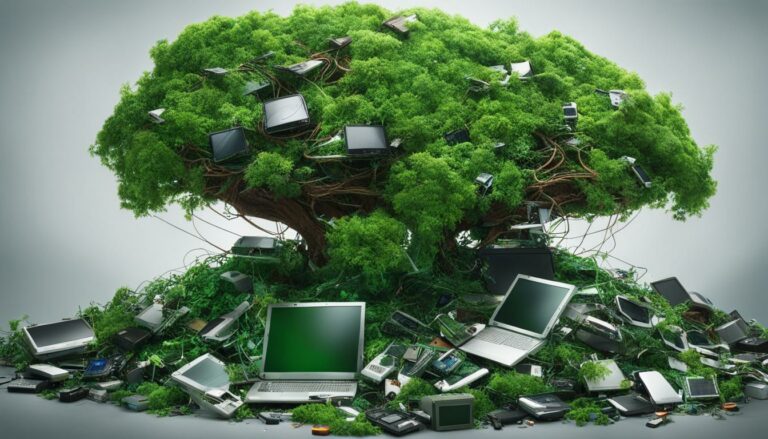
Electronic waste, or e-waste, is made up of discarded electronic devices that are no longer in use. This includes not only outdated or broken items such as laptops, tablets, mobile phones, and desktops but also accessories like printers, chargers, cables, and monitors. Unlike general waste, e-waste contains components that are both valuable and hazardous. Unfortunately, a vast majority of these items are thrown into landfills rather than responsibly recycled.
According to the Global E-waste Monitor, more than 50 million metric tons of e-waste are generated worldwide every year, and alarmingly, less than 20% is officially collected and recycled. This imbalance is driven by growing digital consumption, short device lifespans, and a lack of proper disposal systems in many communities.
Why E-Waste Is a Serious Concern
E-waste is more than just a volume issue—it’s an environmental hazard due to its composition:
Toxic Substances: Devices contain materials like lead, mercury, cadmium, and flame retardants. These toxins can leach into the soil and groundwater when disposed of improperly, endangering ecosystems and human health.
Resource Depletion: Electronic devices house rare earth elements and valuable metals such as gold, silver, copper, and palladium. When e-waste isn’t recycled, these limited resources must be mined afresh, causing further environmental degradation.
Greenhouse Gas Emissions: Producing devices from raw materials consumes more energy and emits more CO₂ compared to recycling existing components. Manufacturing and logistics involved in new electronics significantly contribute to the carbon footprint.
E-Waste and the Digital Classroom
The rapid evolution of the digital classroom—spurred on by global events such as the COVID-19 pandemic—has made technology an essential tool for students and teachers alike. The rise in online tutoring, assignment help platforms, and virtual education tools has amplified the dependence on digital devices across all age groups.
However, this tech dependency comes with a cost. Schools often upgrade IT equipment every few years, and students routinely replace phones or laptops to keep up with academic demands. This device turnover accelerates the accumulation of e-waste, especially when old devices are discarded without recycling.
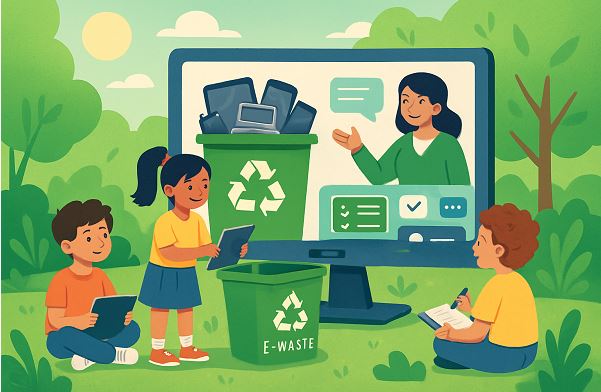
Ironically, online education is both a driver of electronic device use and a potential channel for promoting e-waste awareness. Students are becoming increasingly digitally literate through online tutoring, collaborative projects, and multimedia assignments. These very tools can be leveraged to teach students about sustainability and environmental responsibility.
Empowering Students: Turning Awareness into Action
To make an impact, educational institutions must go beyond theoretical awareness and promote real-world engagement in e-waste solutions. Here’s how:
1. Integrating E-Waste Education into Curricula
One of the most effective ways to empower students is by embedding the issue of e-waste into classroom content. This can be done through:
Environmental Science: Discuss how electronics affect soil, water, air, and biodiversity.
Geography: Study the global flow of e-waste, from developed to developing countries.
Citizenship or Social Studies: Explore policies, ethical production, and recycling legislation.
Teachers can design lesson plans where students:
Map the life cycle of a device—from production to disposal.
Research local impacts of illegal e-waste dumping.
Analyze current trends in sustainable product design.
Explore government initiatives for extended producer responsibility (EPR).
2. Project-Based Learning and Real-World Assignments
Project-based learning (PBL) allows students to gain practical insight into environmental issues. Here are some activity ideas to engage students in responsible technology use:
E-Waste Collection Drives: Collaborate with local recycling agencies to collect old electronics and teach students how to safely dispose of them.
Home Device Audit: Encourage students to assess the number of electronic devices at home, how they are used, and their end-of-life status.
Creative Outreach Projects: Students can create posters, infographics, or short videos educating peers about the importance of e-waste recycling.
These activities reinforce the research, communication, and collaboration skills also promoted through online assignment help and virtual classrooms.
3. Partnering with Online Tutoring Platforms and EdTech Providers
Given the enormous reach of online tutoring and educational technology platforms, partnerships can drive systemic change. Here’s how these platforms can help:
Webinars and Modules: Offer environmental webinars or micro-courses focusing on sustainable tech use and e-waste literacy.
Eco-Friendly Study Tips: Promote habits like extending device lifespan, turning off unused gadgets, and buying refurbished items.
Student Engagement Campaigns: Encourage users to participate in content contests (like writing blogs or making presentations) on how technology usage affects the environment.
This collaboration creates a feedback loop where students learn from technology about technology—a powerful paradigm for eco-conscious education.
Why Early E-Waste Education Matters
Introducing sustainability concepts at an early age cultivates responsible digital citizens. Here’s why it’s critical:
Developing Sustainable Habits Early
Children are impressionable and capable of forming long-term habits. Students who understand the lifecycle of electronics and their environmental footprint are more likely to repair, recycle, and reuse throughout their lives.
Influencing Families and Communities
Students often influence behavior at home. A child who learns about e-waste is likely to encourage parents to recycle old phones or donate unused tablets. This ripple effect can impact entire communities.
Preparing for Tech-Driven Careers
Today’s students are tomorrow’s engineers, developers, designers, and IT professionals. By understanding the intersection of technology and sustainability, they’ll be better prepared to lead green innovations and advocate for circular economies in their careers.
Practical Tips for Schools and Educators
Here’s how schools and teachers can take immediate steps to integrate e-waste awareness into education:
Designate E-Waste Drop-Off Zones: Partner with certified recyclers to collect devices safely on campus.
Virtual Workshops: Invite sustainability experts or e-waste activists to speak during digital sessions.
Cross-Curricular Integration: Link e-waste lessons to English (e.g., essay writing), art (e.g., eco-art using tech scrap), and ICT (e.g., designing e-waste tracking apps).
Collaborative Platforms: Use tools like Google Classroom or Microsoft Teams to track personal e-waste and create group reports on household electronic habits.
E-Waste, Online Learning, and the Future
Education has always been a powerful driver of societal change. In this digital era, the role of educators has expanded: they must not only teach students how to use technology but also how to use it wisely and sustainably.
As technology continues to reshape learning through online coaching, distance-learning assignment assistance, and hybrid classrooms, the onus to educate students on e-waste grows stronger. The good news is that we already have the infrastructure and platforms—online learning systems, ed-tech tools, and remote assignment help portals—that can integrate environmental awareness without sacrificing academic performance.
By embedding environmental literacy into digital education, we ensure that the next generation is not only tech-savvy but also planet-conscious. Students trained to think critically about their digital footprint are more likely to invent, innovate, and advocate for a cleaner, greener tomorrow.
Conclusion
In the age of hyperconnectivity and online learning, every student is also a digital consumer—and potentially a digital polluter. The solution to the growing e-waste crisis lies not just in better disposal systems but in better education. Through mindful curriculum design, innovative partnerships, and proactive student engagement, we can turn this crisis into an opportunity to raise environmentally responsible digital citizens.
It’s time for the educational community to lead by example—teaching students not just how to succeed in a digital world, but how to sustain it. Also, Visit Clone App Development Company :UBER TAXI APP DEVELOPMENT
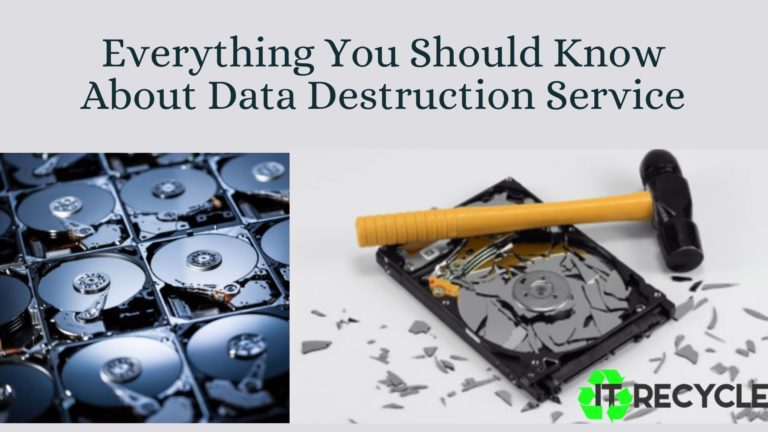
Data destruction services may be a modern-day term coined to handle the foremost sensitive issue of the current technological age, which is mitigating the danger…
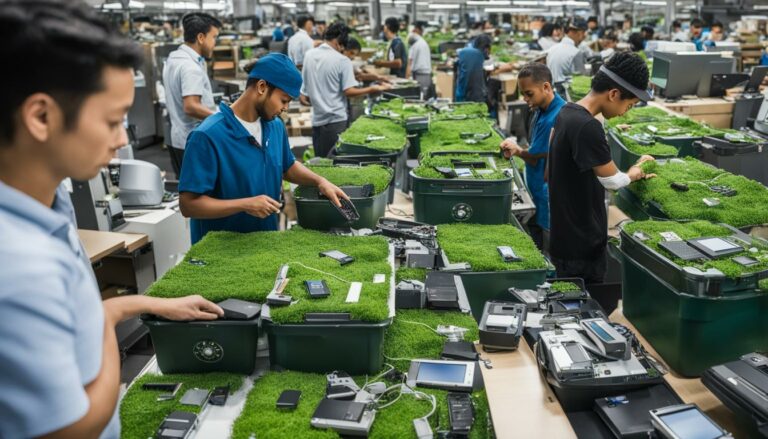
With the increasing awareness of the environmental impact of electronic waste, many entrepreneurs in the United Kingdom are building innovative businesses centred around IT recycling….
Recycling plays a crucial role in reducing carbon emissions and mitigating the effects of climate change. When new products are created, resources are extracted, and…
When people think of recycling, they often imagine bins filled with plastic bottles, paper, or glass—materials that are given a second life to protect the…
In today’s digital age, mobile phones have become an integral part of our lives. However, the rapid advancement of technology also comes with environmental consequences,…
We use cookies on our website to give you the most relevant experience by remembering your preferences and repeat visits. By clicking “Accept”, you consent to the use of ALL the cookies.
This website uses cookies to improve your experience while you navigate through the website. Out of these cookies, the cookies that are categorized as necessary are stored on your browser as they are essential for the working of basic functionalities of the website. We also use third-party cookies that help us analyze and understand how you use this website. These cookies will be stored in your browser only with your consent. You also have the option to opt-out of these cookies. But opting out of some of these cookies may have an effect on your browsing experience.
Necessary cookies are absolutely essential for the website to function properly. This category only includes cookies that ensures basic functionalities and security features of the website. These cookies do not store any personal information.
Any cookies that may not be particularly necessary for the website to function and is used specifically to collect user personal data via analytics, ads, other embedded contents are termed as non-necessary cookies. It is mandatory to procure user consent prior to running these cookies on your website.
We use cookies to ensure that we give you the best experience on our website. If you continue to use this site we will assume that you are happy with it.