We’ve all been there. Standing in front of a trio of bins, a piece of packaging in hand, frozen by a simple yet profound question: “Which one does this go in?” This modern-day dilemma is a tiny symptom of a much larger story—a story about our stuff, our planet, and the legacy we’re creating with every item we discard.
Recycling feels like a civic duty, a small but tangible way to feel like we’re doing our part. But the reality of recycling is far more complex and more fascinating than the simple sorting rituals we perform at our curbsides. It’s a journey that begins with our choices as consumers and ends with the rebirth of materials into something new. To truly make a difference, we need to move beyond the bin and understand the entire lifecycle of the things we own.
The Good, The Bad, and The Ugly: Why Recycling Matters More Than Ever
Let’s start with the good. Recycling is undeniably powerful. It conserves precious natural resources. Manufacturing aluminium from recycled materials, for instance, uses 95% less energy than producing it from raw bauxite ore. It reduces landfill mass, slowing the expansion of these vast, methane-emitting sites into our landscapes. It’s a cornerstone of the circular economy—a model that seeks to eliminate waste and keep materials in use for as long as possible.
But then there’s the bad and the ugly. “Wish-cycling”—the well-intentioned act of tossing non-recyclable items into the blue bin in the hope they might be recyclable—is a major contaminant. A single greasy pizza box or a rogue plastic bag can spoil an entire batch of otherwise good paper or plastic, sending it all to the landfill. The global recycling market is volatile, and without a stable demand for recycled materials, even perfectly sorted items can meet a dead end.
This is where the conversation shifts from a municipal responsibility to a personal one. Our role isn’t just to sort; it’s to be the first and most important filter in a complex system.
The First ‘R’ is King: A Return to Reduction and Reuse
We often forget that “Recycle” is the third of the three R’s for a reason. Before we even get to the bin, we should have engaged with the first two: Reduce and Reuse.
Reduction is the most powerful tool in our arsenal. It’s about asking ourselves, “Do I really need this?” before every purchase. It’s choosing products with minimal packaging, buying in bulk to reduce container waste, and embracing a mindset of sufficiency over constant consumption. Every item we don’t buy is an item that never needs to be recycled or thrown away.
Reuse is the art of creative longevity. That glass jar becomes a container for bulk-bought lentils or a makeshift vase. An old t-shirt finds new life as a cleaning rag. By extending the life of products, we dramatically reduce their environmental footprint. This principle applies on a larger scale, too. Think of the burgeoning second-hand market for everything from clothing to furniture to electronics. Choosing to buy used isn’t just a bargain; it’s a vote for a less wasteful economy.
The Digital Junkyard: Confronting Our E-Waste Epidemic
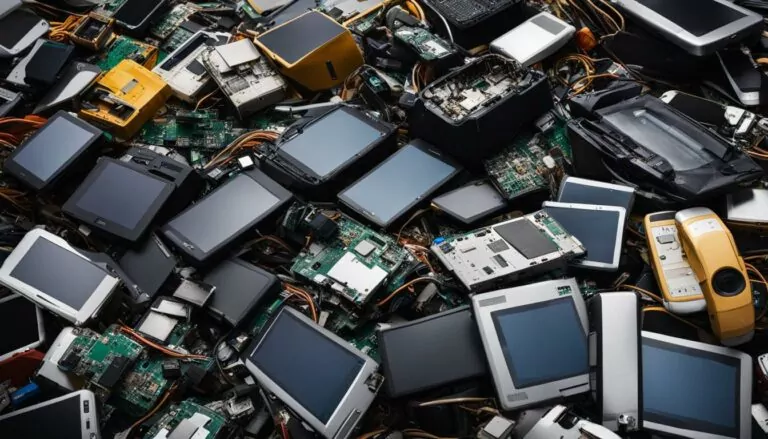
If there’s one area where the principles of reduction, reuse, and responsible recycling collide with dramatic consequences, it’s with our electronics. The smartphone, the laptop, the tablet—these are the icons of our age, but they have a dark side: a tidal wave of electronic waste, or e-waste.
E-waste is the fastest-growing waste stream on the planet. These devices are a complex cocktail of precious metals like gold and silver, alongside hazardous materials like lead, mercury, and cadmium. When dumped in landfills, these toxins can leach into soil and groundwater. When informally “recycled” in developing nations, they pose severe health risks to workers who dismantle them by hand.
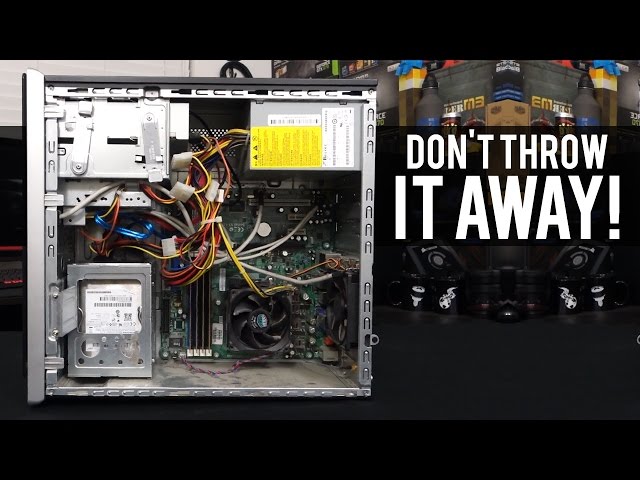
This is where responsible disposal becomes non-negotiable. Simply tossing an old laptop in the general waste is an environmental crime. The responsible path involves seeking out certified e-waste recyclers who have the technology and processes to safely break down these devices, recover valuable materials, and neutralise hazardous ones.
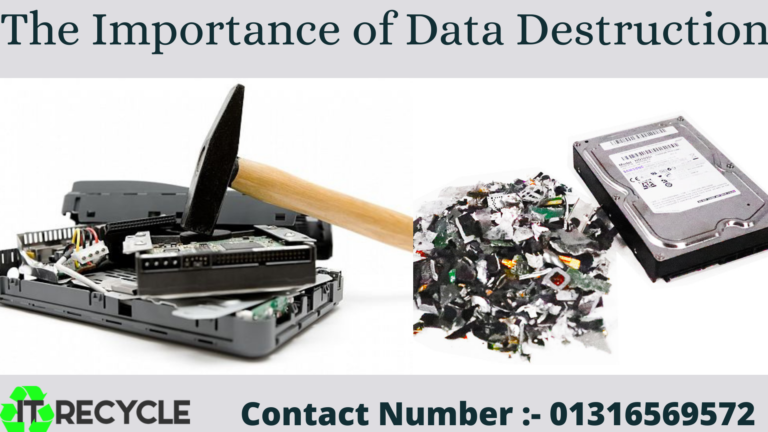
Companies like IT Recycle are built on this very principle. They specialise in the secure and environmentally sound disposal of IT equipment, ensuring that data is permanently destroyed and that components are either refurbished for reuse or broken down for raw material recovery. Choosing such a service isn’t just about decluttering your office; it’s about taking direct, verifiable action to ensure your digital footprint doesn’t become a toxic one. It’s a conscious decision to close the loop on the technology we can no longer use.
The Ripple Effect: How Responsible Habits Create a Safer World
This mindset of conscious disposal extends far beyond soda cans and old computers. It’s about a holistic approach to security and responsibility for all the items in our care. Consider something as seemingly mundane as official documents. Throwing a bank statement or an expired ID card in the trash is an invitation to identity theft. The secure shredding of paper documents is the “recycling” of personal security.
This principle of secure handling is paramount for official institutions as well. When you need to get a new national ID card, for example, you trust that the process is handled with the utmost integrity and security from start to finish. The authorities, such as the policia mataro dni, understand that their duty extends beyond issuance to the responsible management of the personal data and materials involved in the process. This mirrors the same cycle of care we should apply to our own digital and physical waste: a system where items are handled responsibly at every stage, ensuring security and preventing harm. It’s all part of the same tapestry—building a world where systems, both natural and man-made, are protected.
Your Action Plan: From Passive Sorter to Active Participant
Understanding the problem is one thing; taking action is another. Here is a practical blueprint for becoming a more effective recycler and a more conscious consumer:
Get Local and Get Specific: Don’t guess. Visit your local council’s website and download their precise recycling guide. What they accept can vary dramatically from one borough to another. This is your number one tool against wish-cycling.
Embrace the “Empty, Rinse, Dry” Rule: Food residue is a major contaminant. Give your cans, jars, and plastic containers a quick rinse and let them dry before they go in the bin. It takes seconds but makes a world of difference.
When in Doubt, Find Out: If you’re unsure about an item, use a recycling locator website or call your waste provider. It’s better to take two minutes to check than to contaminate a whole batch.
Become a Reduction Ninja: Carry a reusable water bottle, coffee cup, and shopping bags. Choose products with recyclable or no packaging. Plan your meals to reduce food waste. These small, habitual changes have a massive cumulative impact.
Dispose of E-Waste Intentionally: Never put electronics in your general waste. Research local e-waste drop-off points or use a certified pickup service. For businesses, partnering with a specialist like IT Recycle is not an expense; it’s an investment in corporate responsibility and data security.
Advocate for Better: Support companies that use recycled materials and design products for repairability. Write to your favourite brands and ask them to adopt more sustainable packaging. Your voice as a consumer is powerful.
Conclusion: It’s Not About Perfection, It’s About Participation
The goal of this journey isn’t to achieve a state of zero-waste purity—an ideal that can feel overwhelming and unattainable for most. The goal is progress. It’s about moving the needle, one conscious decision at a time.
That moment of hesitation at the bins is a moment of awareness. It’s a connection to the larger system we are all a part of. By choosing to reduce first, to reuse creatively, and to recycle correctly, we do more than just manage our waste. We actively participate in reshaping our economy, protecting our environment, and building a more secure, sustainable world for generations to come. The power doesn’t just lie in our hands; it lies in our bins, our shopping bags, and our daily choices. Let’s make them count.
In an era where technology is advancing at an unprecedented rate, many of us find ourselves with outdated computers collecting dust in a corner. While…
In today’s world, the proper management of electronic waste, or e-waste, is becoming increasingly important. Waste management companies are implementing cutting-edge techniques to recover valuable…
In today’s digital age, electronic waste, or e-waste, has become a global concern due to the improper disposal of electronic devices. The demand for ethical…
In today’s digital age, access to technology and the internet has become increasingly important for economic, educational, and social opportunities. However, not everyone has equal…
We use cookies on our website to give you the most relevant experience by remembering your preferences and repeat visits. By clicking “Accept”, you consent to the use of ALL the cookies.
This website uses cookies to improve your experience while you navigate through the website. Out of these cookies, the cookies that are categorized as necessary are stored on your browser as they are essential for the working of basic functionalities of the website. We also use third-party cookies that help us analyze and understand how you use this website. These cookies will be stored in your browser only with your consent. You also have the option to opt-out of these cookies. But opting out of some of these cookies may have an effect on your browsing experience.
Necessary cookies are absolutely essential for the website to function properly. This category only includes cookies that ensures basic functionalities and security features of the website. These cookies do not store any personal information.
Any cookies that may not be particularly necessary for the website to function and is used specifically to collect user personal data via analytics, ads, other embedded contents are termed as non-necessary cookies. It is mandatory to procure user consent prior to running these cookies on your website.
We use cookies to ensure that we give you the best experience on our website. If you continue to use this site we will assume that you are happy with it.