Recycling facilities plays a vital role in environmental sustainability, but the operations they host—from sorting to processing—pose significant risks to worker safety. By addressing these hazards proactively, facilities can not only protect their workforce but also improve efficiency and reduce costly downtime.
Machinery-related injuries: Workers often handle heavy equipment such as conveyors, shredders, and balers—posing risks of entanglement, crushing, or unexpected startup.
Sharp object injuries & biological hazards: Handling broken glass, scrap metal, or contaminated materials like used needles and diapers can lead to cuts, punctures, and exposure to pathogens.
Chemical and toxic exposure: Electronics, batteries, and fluorescent lamps may contain lead, mercury, PCBs, and other hazardous substances. Inhalation or contact can cause long-term health issues.
Ergonomic and manual handling injuries: Frequent bending, lifting, and repetitive tasks can lead to musculoskeletal strain or injuries.
Vehicle and slip-trip risks: Facilities often have moving vehicles and congested traffic areas. Meanwhile, wet floors and scattered debris can cause slips or falls.
Best Practices to Prevent Injuries
Establish a comprehensive safety program Develop written safety plans, assign dedicated safety officers, and ensure regulatory compliance—including OSHA guidelines—to anticipate and mitigate workplace hazards.
Robust training and culture of safety Educate employees on safe practices, hazard recognition, and emergency response. Promote a culture where reporting unsafe conditions is encouraged, especially among temporary or new workers.
Use of Personal Protective Equipment (PPE) Provide and enforce proper use of PPE such as gloves, high-visibility clothing, hard hats, safety glasses, and hearing protection to safeguard against physical, chemical, and noise hazards.
Regular equipment maintenance and inspection Keep machinery in optimal condition, install guards, utilize lockout/tagout procedures, and inspect equipment before use to prevent malfunctions and injuries.
Ergonomic strategies & mechanical aids Introduce stretch routines, job rotation, mechanical lifting aids, conveyors, and adjustable workstations to reduce repetitive strain and physical overexertion.
Controlled traffic flow and safe workplace layout Designate clear pedestrian walkways, limit vehicle-pedestrian overlap, and create organized traffic systems to minimize vehicle-related accidents.
Address chemical and biohazard risks Improve ventilation, monitor airborne contaminants, implement proper cleaning protocols, and provide training on handling hazardous and biological materials.
Emergency preparedness Prepare written emergency response plans, including evacuation routes, hazardous material mapping, and training drills for fires or chemical releases.
Leverage technology for monitoring(Emerging Trend) Future-forward facilities might adopt surveillance that automatically detects unsafe PPE usage or unsafe behaviors—although this arena is still evolving and not yet mainstream.
When Injury Occurs: Legal Support Matters
Even with utmost precautions, accidents can happen. In such instances, damaged workers or their families may need the help of personal injury attorneys to navigate workers’ compensation claims, third-party liability cases, or appeals following denials.
Sustainable Development: Brief Overview of the Importance of IT Recycling In today’s digital age, electronic devices have become an integral part of our daily lives….
Cloud computing has revolutionized the way businesses store and access their data, but it has also brought about environmental concerns related to IT recycling. The…
Electronic waste pollution, commonly known as e-waste pollution, is a grave concern that poses significant environmental and health risks. The proliferation of small electronic devices…
In a world grappling with the escalating issue of electronic waste, the Role of NGOs in E-waste Management has become increasingly vital. These non-governmental organizations…
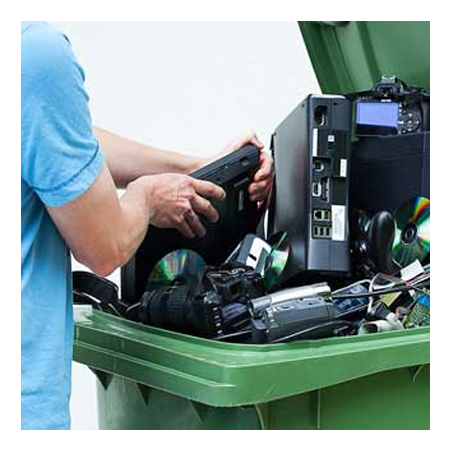
IT hardware plastic recycling is a crucial aspect of sustainable IT solutions and eco-friendly IT disposal. As electronic waste, also known as e-waste, continues to…
We use cookies on our website to give you the most relevant experience by remembering your preferences and repeat visits. By clicking “Accept”, you consent to the use of ALL the cookies.
This website uses cookies to improve your experience while you navigate through the website. Out of these cookies, the cookies that are categorized as necessary are stored on your browser as they are essential for the working of basic functionalities of the website. We also use third-party cookies that help us analyze and understand how you use this website. These cookies will be stored in your browser only with your consent. You also have the option to opt-out of these cookies. But opting out of some of these cookies may have an effect on your browsing experience.
Necessary cookies are absolutely essential for the website to function properly. This category only includes cookies that ensures basic functionalities and security features of the website. These cookies do not store any personal information.
Any cookies that may not be particularly necessary for the website to function and is used specifically to collect user personal data via analytics, ads, other embedded contents are termed as non-necessary cookies. It is mandatory to procure user consent prior to running these cookies on your website.
We use cookies to ensure that we give you the best experience on our website. If you continue to use this site we will assume that you are happy with it.