Recycling has become one of the most effective ways to protect our planet and reduce environmental impact. By reusing items and materials that would otherwise end up in landfills, we conserve natural resources, reduce pollution, and save energy. Today, recycling goes far beyond just separating paper and plastic—it is an essential practice in homes, businesses, and even large-scale industries.
Every product we use has a lifecycle that begins with raw material extraction. Mining, logging, and drilling consume enormous amounts of resources and energy while causing environmental damage. Recycling helps break this cycle by keeping materials in use for longer, reducing the demand for virgin resources. For example, recycling aluminum saves up to 95% of the energy required to produce new aluminum from raw ore.
Recycling Beyond the Household
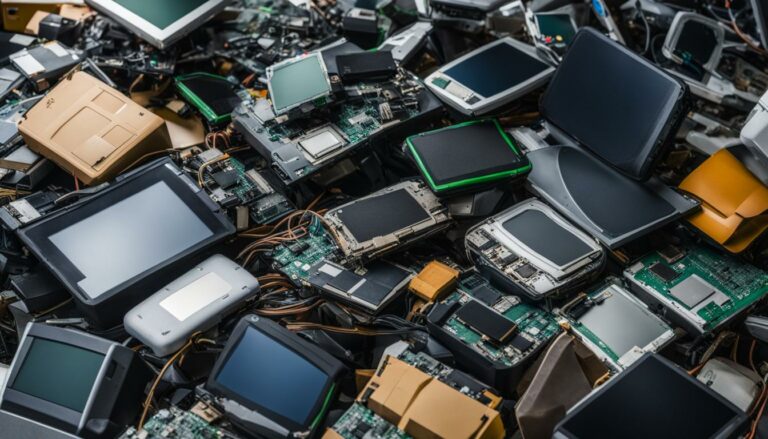
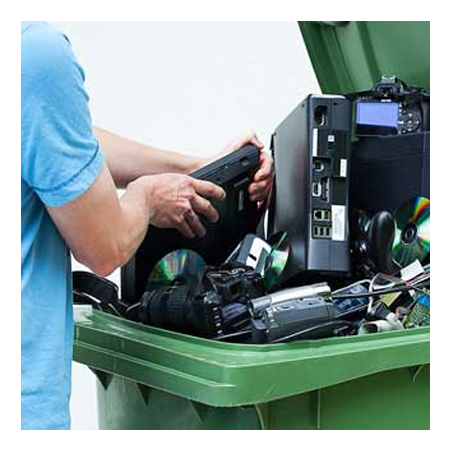
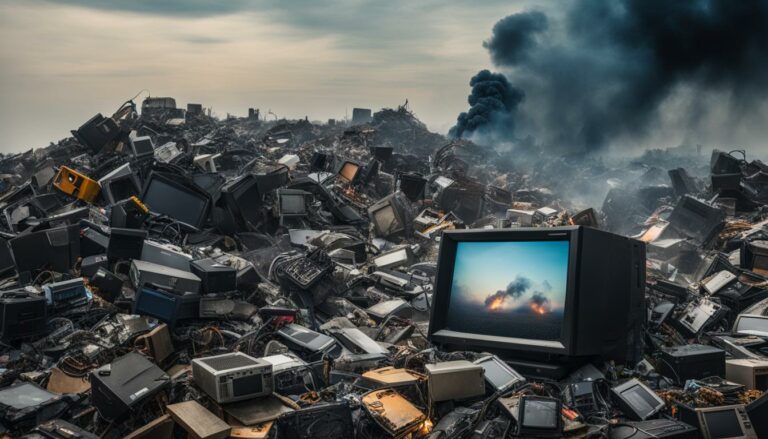
Most people think of recycling in terms of bottles, cans, and cardboard boxes. However, recycling extends to many industries and plays a crucial role in building a sustainable economy. Electronics recycling, for instance, prevents hazardous chemicals from entering the soil, while textile recycling helps reduce fast fashion waste.
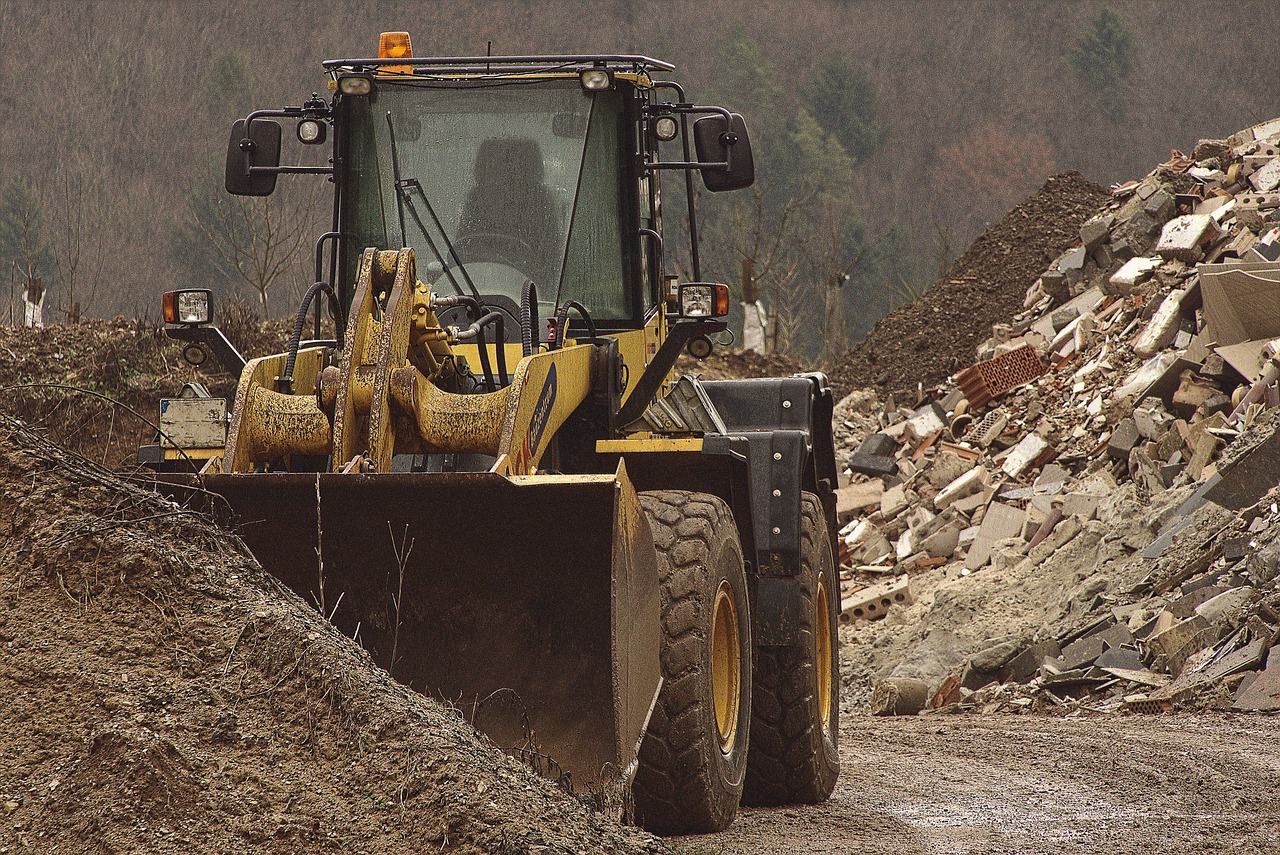
One growing trend is the use of recycle materials in construction, where old bricks, metals, glass, and even plastics are repurposed for new building projects. This not only cuts costs but also lowers the environmental footprint of construction, which is traditionally one of the most resource-heavy industries.
The Role of Individuals and Communities
Communities can make a difference by encouraging better recycling practices. Local governments can provide separate collection bins, educate citizens on what can and cannot be recycled, and partner with businesses to create efficient recycling systems. On an individual level, people can contribute by reducing waste, buying recycled products, and properly sorting their household trash.
Looking Ahead
As technology advances, recycling methods continue to improve. Innovations such as chemical recycling, waste-to-energy systems, and biodegradable packaging are paving the way toward a cleaner and greener future. The more we invest in recycling practices today, the greater the benefits for generations to come.
Sustainable Development: Brief Overview of the Importance of IT Recycling In today’s digital age, electronic devices have become an integral part of our daily lives….
Electronic waste disposal is a pressing issue in today’s technology-driven world. As the reliance on IT equipment grows, so does the need for sustainable IT…
Discover excellence in IT Recycling. Our premier service offers secure, compliant, and environmentally-friendly solutions. Trust us for your IT recycling needs. Call2Recycle Canada, Inc is…
In a world grappling with the escalating issue of electronic waste, the Role of NGOs in E-waste Management has become increasingly vital. These non-governmental organizations…
A smartphone is used by three unique users, on average, before it becomes e-waste in India. Electronic waste, or e-waste, is the world’s fastest-growing waste…
We use cookies on our website to give you the most relevant experience by remembering your preferences and repeat visits. By clicking “Accept”, you consent to the use of ALL the cookies.
This website uses cookies to improve your experience while you navigate through the website. Out of these cookies, the cookies that are categorized as necessary are stored on your browser as they are essential for the working of basic functionalities of the website. We also use third-party cookies that help us analyze and understand how you use this website. These cookies will be stored in your browser only with your consent. You also have the option to opt-out of these cookies. But opting out of some of these cookies may have an effect on your browsing experience.
Necessary cookies are absolutely essential for the website to function properly. This category only includes cookies that ensures basic functionalities and security features of the website. These cookies do not store any personal information.
Any cookies that may not be particularly necessary for the website to function and is used specifically to collect user personal data via analytics, ads, other embedded contents are termed as non-necessary cookies. It is mandatory to procure user consent prior to running these cookies on your website.
We use cookies to ensure that we give you the best experience on our website. If you continue to use this site we will assume that you are happy with it.