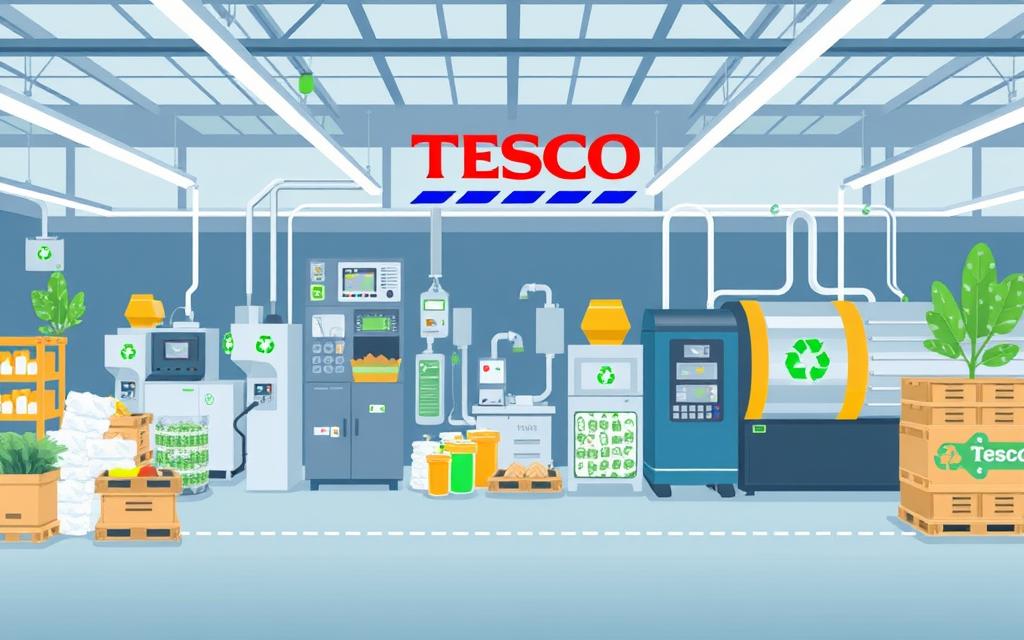
Recycling is crucial in today’s world, and Tesco plays a significant role in supporting environmental sustainability through its comprehensive recycling facilities.
The UK generates over 100,000 tonnes of electrical waste yearly, making responsible disposal practices more important than ever. Tesco’s recycling centres provide an easy way to dispose of various items safely, including vapes, batteries, and electronic devices.
This article will guide you through the locations of Tesco’s recycling centres, the materials accepted, operating hours, and the positive environmental impact of proper waste disposal practices.
By understanding what items can be dropped off and when, you’ll be able to make a positive impact on the environment while keeping your community clean.
Tesco’s efforts to minimize environmental impact have resulted in the creation of extensive recycling facilities. The company has established recycling spots in 171 stores across South West England and Wales, enabling customers to recycle soft plastics that many local councils don’t collect.
Tesco has developed comprehensive recycling initiatives as part of their broader commitment to environmental sustainability and responsible business practices. Through partnerships with organizations like Veolia, Groundwork, and NHS Property Services, Tesco has enhanced their recycling capabilities and extended their environmental impact beyond their stores.
The 4Rs Strategy: Remove, Reduce, Reuse, Recycle
Tesco follows a 4Rs packaging strategy: remove, reduce, reuse, and recycle. This approach has enabled the company to prevent over a billion pieces of plastic from becoming waste and reduce the weight of their plastic packaging by approximately 3,500 tonnes annually.
Recycling Initiatives
Impact
Soft Plastic Recycling
Enabled customers to recycle soft plastics not collected by local councils
4Rs Packaging Strategy
Prevented over a billion pieces of plastic from becoming waste
Partnerships with Veolia, Groundwork, and NHS Property Services
Enhanced recycling capabilities and extended environmental impact
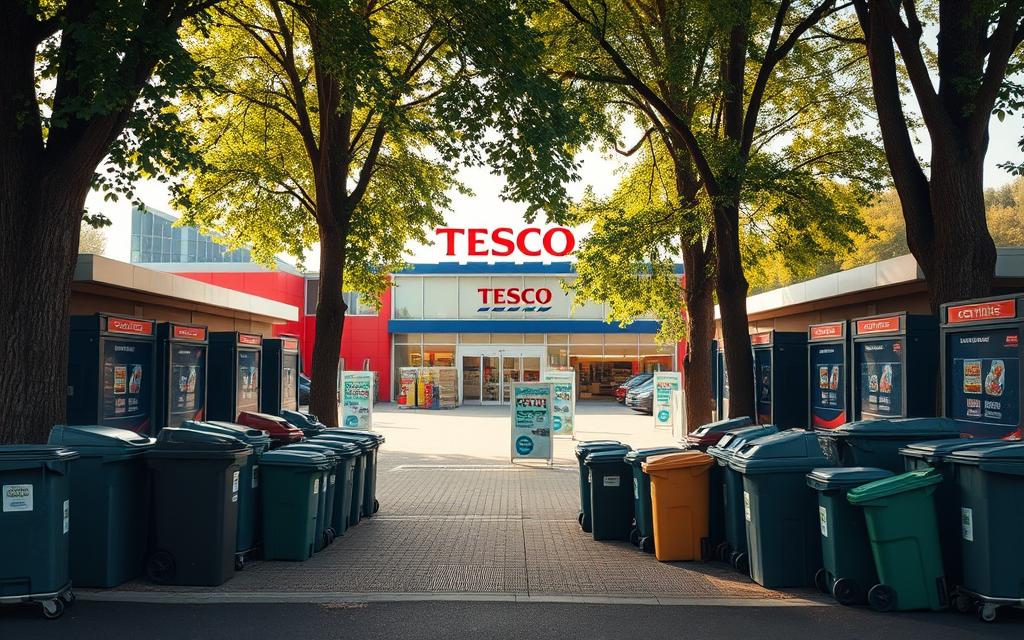
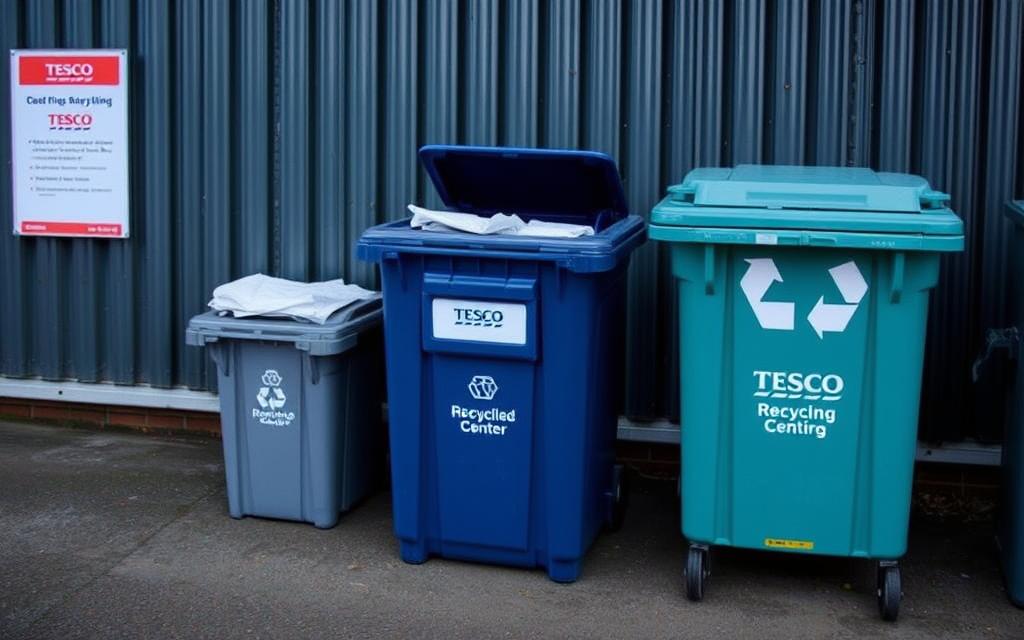
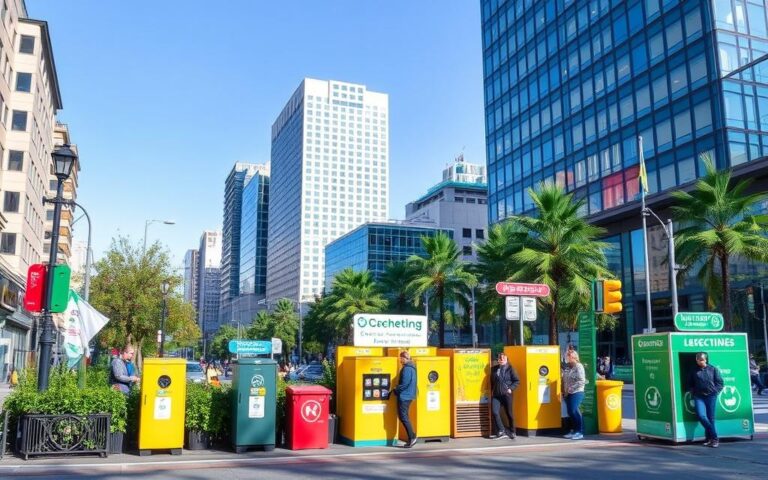
Recycling just got simpler with Tesco’s strategically located recycling centers across the UK. These centers are designed to make it easy for customers to recycle a variety of items, from electronics to packaging materials.
Finding Your Nearest Recycling Point
To locate your nearest Tesco recycling centre, simply use their online store locator tool. Just enter your postcode, and you’ll be directed to the nearest facility. This user-friendly service supports Tesco’s commitment to environmental protection.
Regional Distribution of Recycling Centres
Tesco has distributed its recycling centers across various regions, with a notable presence in the South West of England and Wales. Whether you live in a bustling city or a rural town, you’re likely to find a Tesco recycling centre nearby, making it easier to reduce your environmental footprint.
What You Can Recycle at Tesco Centres
By providing recycling centers, Tesco empowers customers to recycle more effectively. Tesco’s recycling initiatives are designed to be comprehensive and easy to use.
Soft Plastic Recycling Options
Tesco accepts a variety of soft plastics, including cling film, salad bags, fruit and vegetable packaging, crisp packets, bread bags, and flexible pouches. These items are typically not accepted in standard home recycling bins.
Packaging Materials Accepted
The store has a scheme for recycling plastic packaging, making it simple for customers to return many types of soft plastics. This helps fill a significant gap in recycling efforts.
Electronic and Specialized Items
Tesco also has a recycling program for electronic items and specialized materials like inkjet cartridges. This program not only helps in recycling but also offers ClubCard points or charitable donations.
Soft plastics like cling film and salad bags
Electronic items and batteries
Inkjet cartridges
Various packaging materials
This comprehensive approach to recycling helps customers understand what can be recycled and contributes to a more sustainable future.
Items Not Accepted at Tesco Recycling Centres
Certain items are not accepted at Tesco recycling centres due to safety concerns or processing limitations. These include hazardous waste, medical waste, paint, chemical containers, and heavily contaminated materials.
Prohibited Materials and Alternatives
Materials that are not accepted at Tesco recycling centres typically include hazardous household waste. For such items, alternative disposal options are available through local council services or specialized facilities. For instance, tyre companies may accept old tyres for recycling, sometimes for a small fee.
Hazardous Waste Disposal Options
Hazardous waste requires careful disposal to prevent environmental harm. Tesco recycling centres do not accept hazardous materials, but local councils often provide designated collection services for such waste. It’s advisable to check with your local centre for specific guidelines on disposing of hazardous household waste.
How to Prepare Items for Recycling at Tesco
Proper preparation is key to effective recycling at Tesco. To ensure that your items are recycled efficiently, it’s essential to follow the guidelines set out by Tesco’s recycling program.
Cleaning and Sorting Requirements
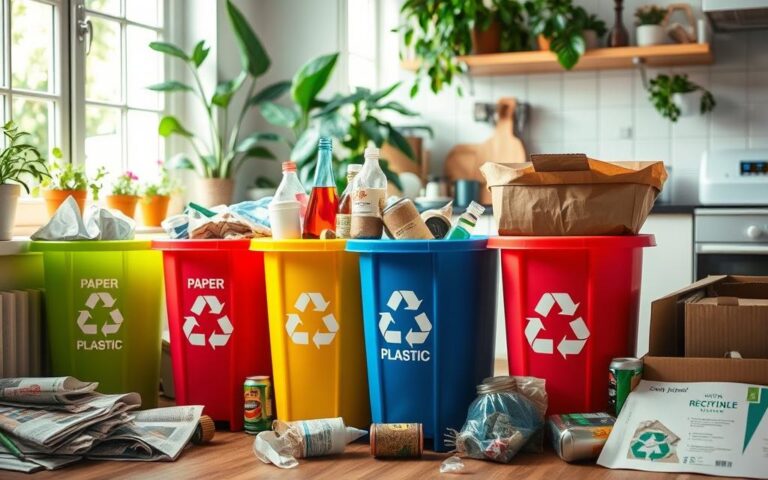
Before recycling, clean containers and remove labels to prevent contamination. Ensure that different materials are separated and that items are dry. This helps maintain the quality of recycling materials.
Remove food residue from containers and packaging.
Separate components made from different substances.
Packaging Guidelines for Different Materials
Different materials require specific preparation. For example, plastic packaging should be clean and dry. Soft plastics, hard plastics, paper, and cardboard should be sorted accordingly.
By following these guidelines, you can contribute to a more efficient recyclingprocess at Tesco. Proper preparation of items is crucial for successful recycling.
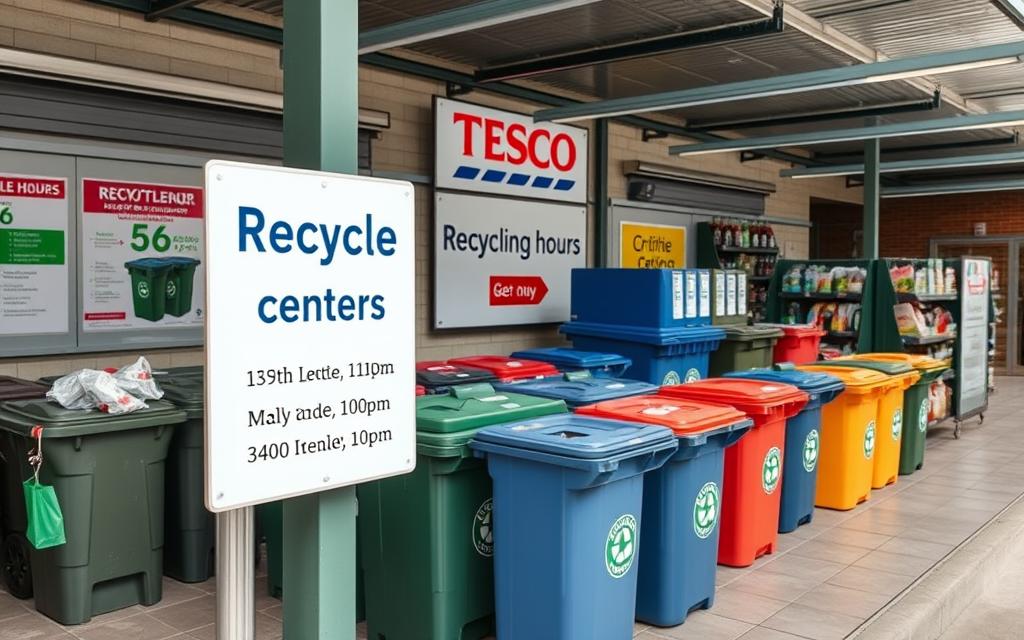
Understanding the operating hours of Tesco recycling centres is crucial for effective waste disposal. Tesco recycling centres maintain specific operating hours that may vary by location, season, and holidays to accommodate customer needs while ensuring efficient operations.
The standard operating hours for Tesco recycling facilities are as follows: From Sunday, 16 March 2025, the centres will be open Monday to Friday from 8am to 7:30 pm, and on Saturday and Sunday from 9 am to 6:30 pm. For more information on finding a Tesco recycling centre near you, visit our page on how to locate a Tesco recycling.
Seasonal Schedule Variations
The operating hours of Tesco recycling centres change seasonally. For instance, the centres will move to summer hours on Sunday, 15 March 2026, and revert to winter hours on Sunday, 25 October 2026. These changes are designed to accommodate the varying needs of customers during different times of the year.
Holiday and Special Hours
Tesco recycling centres are closed on Christmas Day (25 December), Boxing Day (26 December), and New Year’s Day (1 January), as well as on 2 January. It’s essential to check the specific holiday schedule for your local recycling centre to avoid arriving when it’s closed. The last hour of operation is typically reserved for cars only.
Step-by-Step Guide to Using Tesco Recycling Facilities
To ensure a smooth experience at Tesco’s recycling facilities, it’s essential to know what to expect. By following the guidelines, you can efficiently recycle your household waste.
Arriving at the Centre
When you arrive at the Tesco recycling centre, please follow the site rules. Each vehicle is allocated a total time of 15 minutes, so arrive promptly for your slot. If you’re early, wait for your scheduled time, and if you’re late, you won’t be allowed to enter. The staff will check your vehicle registration, and only booked vehicles are permitted.
Navigating Drop-Off Points
The recycling centre is organized into different recycling points based on material types. This helps in efficient sorting and processing of recyclables. Stay in your vehicle until staff instruct you to unload your waste. A maximum of two people are allowed to exit the vehicle to unload items.
Staff Assistance and Guidelines
Respect the staff on site and follow their instructions. They are there to help and ensure a safe recycling process. Staff cannot assist you in unloading; please only bring what you can carry. By following these guidelines, you’ll help maintain order and safety at the recycling centre, making the process efficient for everyone.
By integrating recycling with their ClubCard loyalty program, Tesco is setting a new standard for eco-friendly retail practices. This innovative approach not only encourages customers to recycle more but also rewards them for their environmentally conscious behavior.
Earning Points Through Recycling
Tesco’s automated recycling system makes it easy for customers to earn ClubCard points. The machines use laser sensor technology to identify the materials being recycled and award points accordingly. For instance, recycling two aluminum cans earns one ClubCard point, while non-reusable electrical appliances earn five points.
Redeeming Rewards for Sustainable Choices
The ClubCard points earned through recycling can be redeemed for various rewards that promote sustainable choices. Tesco’s commitment to the environment is further highlighted by their £150,000 investment in automated recycling facilities, demonstrating their dedication to making recycling more accessible and rewarding.
Customers can enjoy the benefits of recycling while contributing to a more sustainable future. With Tesco’s recycling program, customers are incentivized to make eco-friendly choices, enhancing their shopping experience and promoting environmental sustainability.
The Environmental Impact of Tesco’s Recycling Program
Tesco’s commitment to recycling has yielded impressive environmental benefits. Their recycling program has generated significant positive impacts through waste reduction, resource conservation, and the promotion of circular economy principles.
Waste Reduction Statistics
Tesco has achieved remarkable waste reduction statistics through their recycling initiatives. They have collected 500 tonnes of soft plastic and removed nearly 1.5 billion pieces of plastic from product packaging. This significant reduction in plastic waste has contributed to their overall recycling efforts.
Circular Economy Initiatives
Tesco’s circular economy initiatives have been instrumental in promoting sustainability. They achieved over 80% recycling rates during customer return trials and transformed collected soft plastic into food-grade packaging for their own-brand products. This not only reduces landfill waste but also conserves resources by reusing materials.
What Happens to Your Recycled Materials
The journey of your recycled materials doesn’t end at the Tesco recycling centre; it has just begun. Understanding this process helps appreciate the full lifecycle of your waste and the importance of proper recycling practices.
The Journey from Collection to Reprocessing
Soft plastics collected at Tesco stores are sent to specialized facilities for detailed cleaning and processing. They are then transformed into high-quality pellets, which are used to manufacture new plastic products, including food packaging that meets safety standards.
New Products Made from Recycled Materials
Tesco aims to incorporate at least 30% recycled content in their packaging, reducing the need for new plastic. Their goal is to collect 1,000 tonnes of soft plastic annually for reuse in packaging. Examples of new products made from recycled materials demonstrate the tangible outcomes of customer participation in recycling programs.
Unfortunately, about 70% of plastics are incinerated for energy rather than being properly recycled. Tesco’s efforts to improve recycling systems include making the process more transparent and increasing the use of recycled materials in their packaging.
Alternative Recycling Options Beyond Tesco
Tesco’s recycling initiatives are just one part of a broader ecosystem of recycling options available to consumers. While Tesco offers valuable recycling services, residents have many other options for responsible waste management.
Local Council Recycling Services
Local council waste collection is a primary recycling resource for most households. UK councils offer comprehensive recycling programs designed to handle various waste materials efficiently. These services typically include curbside collection and household waste recycling centers where residents can dispose of a wide range of materials.
Curbside collection for regular household waste and recyclables
Household waste recycling centers for larger or specialized items
Special collection services for hazardous waste
Community Recycling Schemes
Community recycling programs offer innovative approaches to waste management, often focusing on neighborhood events, charitable donation centers, upcycling workshops, and local exchange systems. These grassroots initiatives not only help in waste reduction but also foster community engagement in environmental stewardship.
Neighborhood collection events for hard-to-recycle items
Charitable donation centers for reusable goods
Upcycling workshops to promote creative reuse of materials
The UK’s goal to eliminate avoidable plastic waste by 2042 underscores the importance of utilizing these diverse recycling options. By combining Tesco’s recycling services with local council and community initiatives, residents can achieve comprehensive waste management and contribute to a more sustainable environment.
Conclusion
Tesco’s commitment to sustainability is evident in its comprehensive recycling program, making it easier for customers to participate in responsible waste management.
Their recycling centers across the UK provide convenient locations for customers to drop off various materials, including soft plastics and packaging materials. By using these facilities, customers can help reduce landfill waste and support a circular economy.
Tesco’s goal of collecting over 1,000 tonnes of soft plastic yearly is a significant step towards a greener future. Their partnership with TerraCycle and other innovative schemes demonstrates a strong commitment to environmental responsibility. As customers, every individual action counts, and utilizing Tesco’s recycling facilities can make a real difference.
By incorporating recycling into daily routines, customers can contribute to a more sustainable future.
FAQ
What types of plastic can be recycled at household waste recycling locations?
You can recycle various types of plastic, including soft plastic packaging like bread bags and salad bags, at designated recycling points.
How do I prepare my household waste for recycling?
To prepare your household waste, ensure you clean and sort the materials according to the guidelines provided at the recycling facilities.
What happens to the materials I recycle?
The materials you recycle are collected and taken to reprocessing facilities where they are transformed into new products, reducing the need for raw materials and minimizing plastic waste.
Can I recycle electronic items at these locations?
Yes, many recycling centres accept electronic and specialized items for proper disposal and recycling, helping to reduce hazardous waste.
How can I find my nearest recycling location?
You can use the store locator feature on our website to find your nearest recycling point and plan your visit according to their operating hours.
Are there any rewards for recycling at these locations?
Yes, participating in certain recycling initiatives can earn you ClubCard points, which can be redeemed for rewards that support your sustainable lifestyle choices.
What is the significance of reducing landfill waste?
Reducing landfill waste is crucial for minimizing environmental impact, conserving landfill space, and promoting a circular economy where materials are continually cycled back into production.
How does recycling contribute to a greener future?
By recycling, we conserve natural resources, decrease the need for new raw materials, and reduce plastic packaging waste, all of which are steps towards a greener future.
Household recycling is key to protecting our environment and living sustainably. Knowing what can be recycled and how to dispose of it is important. This…
Today, recycling razor blades properly is essential. It’s crucial for our safety and the planet. The latest shaving technology has made blades sharper. This makes…
Many people wonder if it’s alright to throw wooden items in the recycle bin. This question is important for curbside recycling services. These services often…
Finding out when recycling day is in your area is key. Different places have different schedules for recycling collection. Knowing this schedule means you can…
We use cookies on our website to give you the most relevant experience by remembering your preferences and repeat visits. By clicking “Accept”, you consent to the use of ALL the cookies.
This website uses cookies to improve your experience while you navigate through the website. Out of these cookies, the cookies that are categorized as necessary are stored on your browser as they are essential for the working of basic functionalities of the website. We also use third-party cookies that help us analyze and understand how you use this website. These cookies will be stored in your browser only with your consent. You also have the option to opt-out of these cookies. But opting out of some of these cookies may have an effect on your browsing experience.
Necessary cookies are absolutely essential for the website to function properly. This category only includes cookies that ensures basic functionalities and security features of the website. These cookies do not store any personal information.
Any cookies that may not be particularly necessary for the website to function and is used specifically to collect user personal data via analytics, ads, other embedded contents are termed as non-necessary cookies. It is mandatory to procure user consent prior to running these cookies on your website.
We use cookies to ensure that we give you the best experience on our website. If you continue to use this site we will assume that you are happy with it.