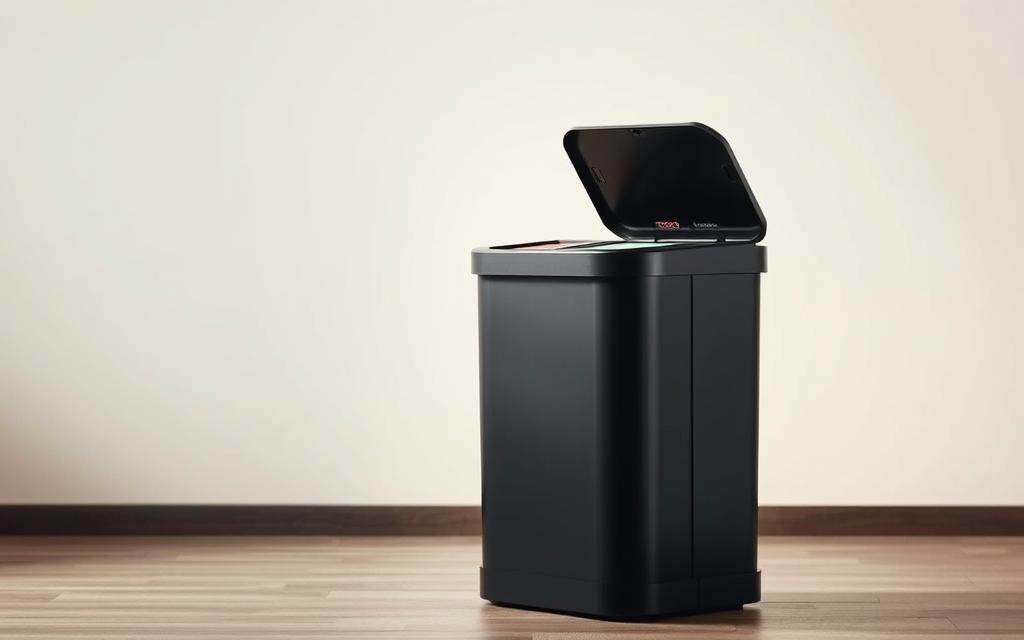
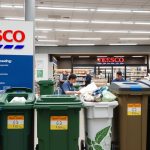
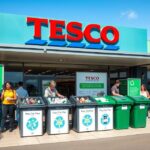
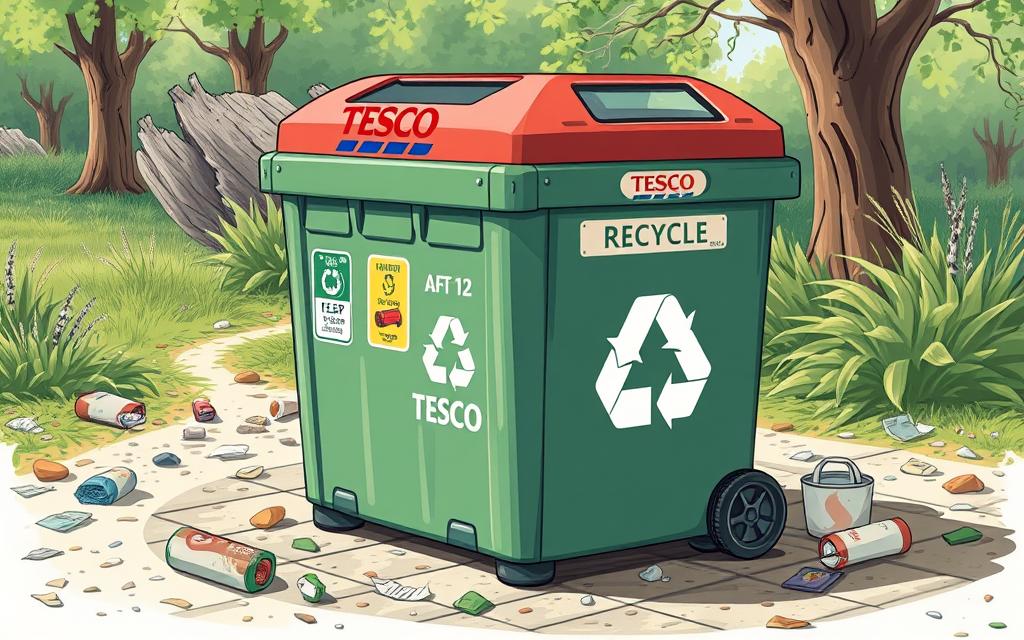
Tesco is revolutionizing plastic waste management in the UK with innovative recycling bins designed to simplify the recycling process for customers.
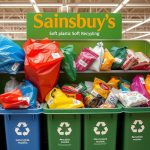
The supermarket has set up recycling points to tackle hard-to-recycle soft plastics, offering a handy solution for tricky plastic materials.
By reducing landfill waste and supporting a circular economy, Tesco’s efforts aim to make a significant environmental impact, having removed a billion pieces of plastic and cut down on plastic packaging by about 3,500 tonnes a year.
This comprehensive guide will explore Tesco’s recycling bin system, covering color-coded bins, rules for sorting materials, and best practices for preparing recyclable items.
Tesco’s commitment to environmental sustainability is evident in their recycling initiatives. The retail giant has transformed recycling practices through its comprehensive approach.
The 4Rs Strategy
Tesco’s sustainability strategy centers on the 4Rs approach: Remove, Reduce, Reuse, Recycle. This method transforms traditional waste management practices by focusing on strategic interventions to minimize environmental impact.
Reduce: Minimizing packaging volume and waste generation
Reuse: Promoting circular economy principles
Recycle: Ensuring maximum material recovery
Environmental Achievements and Goals
Tesco has achieved significant milestones, including eliminating nearly 1.5 billion pieces of plastic and saving over 6,000 tonnes of packaging material. The company aims to make all Tesco-brand packaging fully recyclable or reusable.
Initiative
Achievement
Remove
Eliminated 1.5 billion pieces of plastic
Reduce
Saved 6,000 tonnes of packaging material
Reuse
Promoting circular economy principles
Recycle
Ensuring maximum material recovery
Understanding Tesco Recycling Bin System
Tesco has implemented a comprehensive recycling bin system across its stores to simplify the recycling process for customers and encourage greater participation in sustainable practices. This system is designed to be user-friendly, making it easier for shoppers to make greener choices.
Color-Coded Recycling Bins Explained
The color-coded recycling bins are a key component of Tesco’s recycling program. Each color corresponds to a specific category of recyclable materials, making it easy for customers to identify where to dispose of different items. For example, bins for soft plastics are typically marked with a specific color to differentiate them from other recyclables.
In-Store Collection Points Location Guide
Tesco’s in-store collection points are strategically located throughout the stores, typically near entrances and exits, to maximize convenience and visibility for customers. These collection points are designed to accept materials that are often difficult to recycle through standard municipal programs, such as soft plastics. The collection points feature clear signage and instructions to help customers understand what materials are accepted and how they should be prepared for recycling.
Recyclable Material
Bin Color
Location in Store
Soft Plastics
Specific Color
Near Entrances/Exits
Hard Plastics
Different Color
Near Recycling Area
Paper/ Cardboard
Another Color
Customer Service Area
What Materials Can Be Recycled at Tesco
Tesco’s commitment to environmental sustainability is evident in its extensive recycling efforts. The retailer has transformed in-store recycling with its soft plastics program, offering solutions for materials that local councils often struggle to recycle.
Soft Plastics Accepted for Recycling
Tesco’s recycling scheme targets a wide range of soft plastics, including items that are typically difficult for households to dispose of responsibly. These include crisp packets, bread bags, cling film, pasta packaging, salad bags, and plastic film wrapping. By accepting these challenging materials, Tesco helps divert substantial amounts of plastic from landfills and incineration, contributing to more sustainable waste management practices.
Hard-to-Recycle Materials Collection
Beyond soft plastics, Tesco also collects hard-to-recycle materials, including complex packaging that combines multiple materials. Customers are encouraged to prepare recyclable items properly by ensuring they are clean, dry, and free from food residue before bringing them to Tesco collection points. The retailer provides clear guidelines about which specific plastic packaging items can be recycled, helping customers make informed decisions about their waste disposal.
Material
Accepted for Recycling
Preparation Guidelines
Soft Plastics
Crisp packets, bread bags, cling film
Clean, dry, and free from food residue
Complex Packaging
Multi-material packaging
Ensure all parts are properly sorted
Soft Plastic Recycling Program
The Soft Plastic Recycling Program at Tesco is revolutionizing waste management by addressing a category of waste that has traditionally been difficult to process through conventional recycling systems. Tesco aims to collect and recycle 1,000 tonnes of soft plastic yearly, a significant step towards reducing plastic waste in the UK.
Types of Soft Plastics Accepted
Tesco’s Soft Plastic Recycling Program accepts a wide variety of everyday packaging materials. These include bread bags, produce bags, pet food pouches, crisp packets, and plastic film wrapping. By accepting these items, Tesco is helping to divert significant amounts of plastic waste from landfills and incineration.
Bread bags and produce bags
Pet food pouches and crisp packets
Plastic film wrapping
Preparation Guidelines for Soft Plastics
To ensure effective recycling, customers must properly prepare their soft plastics. This involves ensuring all soft plastics are clean, dry, and free from food residue. Contamination can compromise the recycling process, potentially leading to entire batches being rejected.
Preparation Step
Description
Clean
Ensure soft plastics are free from food residue
Dry
Make sure soft plastics are dry before depositing
Free from Contamination
Avoid mixing soft plastics with other materials
By following these guidelines and participating in Tesco’s Soft Plastic Recycling Program, customers can contribute to more sustainable waste management practices across the UK.
With a strong commitment to environmental conservation, Tesco leads the way in recycling initiatives. Nearly 200 Tesco stores across the UK offer convenient recycling points for various materials.
Store Network Coverage Across the UK
Tesco’s recycling network covers key areas, with a significant presence in South West England and Wales. The company’s extensive network of recycling facilities makes it easy for customers to contribute to environmental conservation while shopping.
Using Tesco’s Store Locator for Recycling Points
To find a Tesco store with recycling facilities, customers can use the store locator tool. Simply enter your postcode or city name, filter results for stores with recycling points, and check available recycling materials at each location.
Recycling Rules and Best Practices
To maximize the impact of recycling efforts, it’s essential to follow proper recycling rules and best practices at Tesco. Effective recycling is crucial for reducing waste and supporting the environment.
Proper Preparation of Recyclable Items
Proper preparation of recyclable items is critical for ensuring they can be effectively processed. This includes thoroughly cleaning containers to remove food residue and ensuring materials are dry before disposal. To prepare items correctly, consumers should rinse containers completely, remove labels when possible, dry items to prevent mold, and separate different materials. By following these steps, customers can significantly enhance the effectiveness of Tesco’s recycling program.
Common Mistakes to Avoid When Recycling
Common mistakes can lead to contamination and reduce the effectiveness of recycling efforts. Frequent errors include attempting to recycle items with food residue, such as greasy pizza boxes or unwashed food containers, mixing different types of materials, and including non-recyclable items in recycling bins. Additionally, leftover liquids in containers account for approximately 25% of recycling contamination. By avoiding these mistakes, customers can help maximize the positive environmental impact of Tesco’s packaging and plastic recycling initiatives.
Understanding Recycling Symbols and Labels
Recycling labels can be puzzling, but our guide will help you make sense of the key symbols you’ll encounter at Tesco. Understanding these symbols is vital for proper waste management and making informed recycling choices.
Key Recycling Symbols on Tesco Packaging
Tesco uses a comprehensive system of recycling symbols on their packaging to guide customers. The Mobius Loop indicates recyclability, often with a percentage showing the amount of recycled content. Resin Identification Codes (numbered 1-7) help identify different plastic types, each with varying recycling requirements. Other symbols include the Green Dot, signifying financial contribution to recycling, and the Crossed-out Wheelie Bin, marking electrical items that need special recycling.
Symbol
Meaning
Mobius Loop
Indicates recyclability and percentage of recycled content
Resin Identification Codes (1-7)
Helps identify different plastic types
Green Dot
Signifies financial contribution to recycling
Tesco’s Preferred Materials List Explained
Tesco has developed a Preferred Materials List that categorizes packaging materials into three groups: green, amber, and red. The green list includes highly recyclable materials that Tesco encourages suppliers to use. Amber list materials are acceptable but not ideal, while red list materials are targeted for elimination due to recycling challenges or environmental concerns.
By understanding these recycling symbols and Tesco’s materials classification system, customers can make more environmentally responsible choices and align their recycling efforts with the company’s sustainability goals.
Environmental Impact of Tesco’s Recycling Initiatives
Tesco is tackling the global plastic waste challenge head-on with its recycling programs. The company’s recycling efforts have a substantial environmental impact, addressing the critical issue that only 9% of all plastic ever produced has been successfully recycled globally.
Processing and Transformation of Recycled Materials
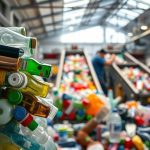
The processing of collected materials involves specialized techniques that transform previously non-recyclable packaging into valuable resources. Tesco aims to process 1,000 tonnes of soft plastics annually through their collection program, significantly contributing to waste reduction.
Recyclable Materials
Annual Processing Goal
Environmental Impact
Soft Plastics
1,000 tonnes
Significant reduction in plastic waste
Paper Packaging
N/A
Transitioned 10 product lines to 100% recyclable paper packaging
Pasta Packaging
N/A
Reduced plastic by over 30 tonnes annually
Contribution to Circular Economy
Tesco’s recycling efforts contribute significantly to the circular economy by ensuring that collected materials are transformed into new packaging and products. This approach not only reduces waste but also decreases carbon emissions associated with virgin material production.
By creating systems for processing problematic materials, Tesco is helping to establish new infrastructure and technologies that can potentially transform recycling capabilities across the retail sector.
Conclusion
Tesco’s commitment to environmental sustainability is evident in its comprehensive recycling programs. The retailer aims to achieve zero waste to landfill by 2030 and has made significant progress, recycling over 1 billion plastic bottles in 2022. Customers play a vital role in this journey by using in-store recycling facilities and participating in soft plastic collection programs. By making conscious packaging choices, individuals can significantly boost recycling efforts. Tesco’s partnership with TerraCycle transforms soft plastics into community garden furniture, demonstrating the positive impact of collective action on environmental sustainability.
FAQ
What types of soft plastics are accepted for recycling?
Soft plastics like crisp packets, bread bags, and other plastic packaging are accepted. These items are collected at designated drop-off points in stores.
How can I find a Tesco store with a recycling point near me?
You can use the store locator on the Tesco website to find a store with a recycling point. Simply enter your location, and you’ll be directed to the nearest participating store.
What happens to the soft plastics after I deposit them at the recycling point?
The collected soft plastics are processed and transformed into new products, contributing to a circular economy. This helps reduce plastic waste and supports environmental sustainability.
Can I recycle other types of plastic materials besides soft plastics?
While soft plastics are a key focus, other plastic packaging materials may also be recyclable. Check the recycling symbols on the packaging to determine the best course of action.
How does Tesco’s recycling program contribute to the environment?
By collecting and processing recyclable materials, Tesco helps reduce the amount of waste sent to landfills and conserves natural resources, supporting a more sustainable future.
Are there any preparation guidelines for soft plastics before recycling?
Yes, it’s essential to ensure soft plastics are clean and dry before depositing them at the recycling point. This helps maintain the quality of the materials and ensures they can be processed effectively.
Getting free recycling bins is a simple step towards a greener home. It helps everyone reduce waste and live more sustainably. By working together, we…
Understanding your local recycling collection schedule can seem tough. But, local authorities make it easier with various ways to find out. You can use online…
Recycling aerosol cans helps us take care of the environment. Throwing them away the wrong way can be dangerous because they’re pressurised. Luckily, about 80-85%…
We use cookies on our website to give you the most relevant experience by remembering your preferences and repeat visits. By clicking “Accept”, you consent to the use of ALL the cookies.
This website uses cookies to improve your experience while you navigate through the website. Out of these cookies, the cookies that are categorized as necessary are stored on your browser as they are essential for the working of basic functionalities of the website. We also use third-party cookies that help us analyze and understand how you use this website. These cookies will be stored in your browser only with your consent. You also have the option to opt-out of these cookies. But opting out of some of these cookies may have an effect on your browsing experience.
Necessary cookies are absolutely essential for the website to function properly. This category only includes cookies that ensures basic functionalities and security features of the website. These cookies do not store any personal information.
Any cookies that may not be particularly necessary for the website to function and is used specifically to collect user personal data via analytics, ads, other embedded contents are termed as non-necessary cookies. It is mandatory to procure user consent prior to running these cookies on your website.
We use cookies to ensure that we give you the best experience on our website. If you continue to use this site we will assume that you are happy with it.