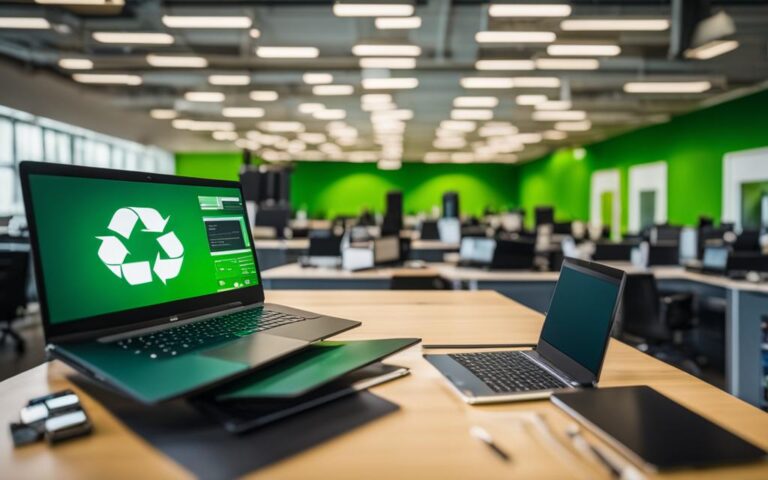
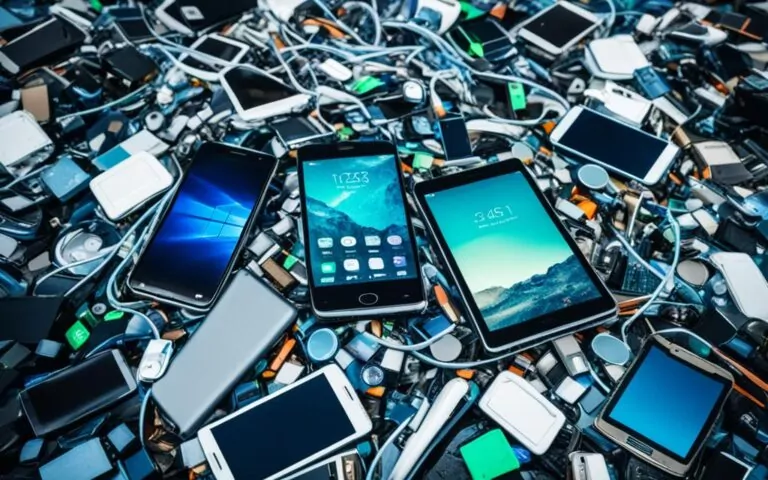
In today’s technology-driven world, electronics have become an integral part of daily life. From smartphones and laptops to televisions and smart appliances, we rely on these devices for work, entertainment, communication, and even health monitoring. However, the rapid pace of innovation means that devices are becoming obsolete faster than ever.
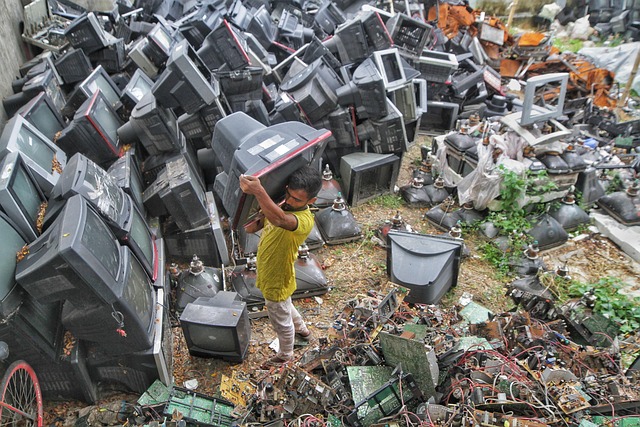
When old electronics are discarded improperly, they contribute to a growing global issue — electronic waste (e-waste). The United Nations estimates that over 62 million tonnes of e-waste were generated worldwide in 2022, and that number is expected to rise steadily. Alarmingly, only about 22% of this waste is formally recycled, meaning valuable materials are lost, and hazardous substances often end up polluting the environment.
Proper e-waste management is about more than protecting the environment — it’s also about safeguarding sensitive personal and business data, conserving valuable resources, and complying with legal obligations. This comprehensive guide explores secure and sustainable e-waste disposal practices that you can adopt at home, in the office, or on a larger organizational scale.
1. Understanding the Impact of Improper E-Waste Disposal
E-waste is not like ordinary household garbage. Electronics contain a mix of materials, including precious metals like gold, silver, and palladium, as well as toxic substances such as lead, mercury, cadmium, and flame retardants. When disposed of in landfills:
Toxic substances can leach into the soil and contaminate groundwater.
Air pollution can occur if e-waste is burned, releasing harmful fumes.
Recyclable metals and plastics are lost instead of being reused in manufacturing.
For example, just one discarded smartphone can contain up to 60 different elements, many of which can be recovered and reused. Yet without proper collection and recycling, these resources are wasted.
2. Extending the Lifespan of Your Electronics
The most sustainable form of e-waste management is waste prevention. Before you decide to dispose of an electronic device, consider whether it can be repaired, upgraded, or repurposed.
Many devices are discarded due to minor faults that could easily be repaired. Consider:
Replacing a laptop battery or upgrading its RAM instead of buying new.
Repairing cracked screens on smartphones or tablets.
Visiting local “repair cafés” or hiring a certified technician.
b) Repurpose Old Devices
Even outdated devices can be useful:
An old smartphone can serve as a security camera or music player.
A tablet can become a digital photo frame or recipe display in the kitchen.
A desktop computer can be transformed into a home server.
c) Donate or Sell
If the device is still functional:
Donate it to schools, charities, or community centers.
Sell it online via reputable marketplaces.
Use local community exchange platforms like Freecycle.
By extending the lifespan of electronics, you reduce demand for new products, save money, and lower the environmental impact of manufacturing.
3. Data Security: Protecting Your Information Before Disposal
One of the biggest mistakes people make when discarding electronics is failing to properly erase personal or corporate data. Identity theft, corporate espionage, and data breaches can all result from improperly discarded devices.
Step 1: Backup Your Data
Before erasing your device, save important files to:
An external hard drive
A secure cloud storage service
Another device
Step 2: Perform a Secure Wipe
Simply deleting files or formatting a device is not enough. Use certified data-wiping software:
DBAN (Darik’s Boot and Nuke) – Suitable for hard drives.
Built-in tools like BitLocker (Windows) and FileVault (Mac) for encryption.
These methods overwrite existing data multiple times, making it virtually impossible to recover.
Step 3: Physically Destroy Storage Media
For highly sensitive data:
Remove the hard drive and drill holes through it.
Use a hammer to shatter solid-state drives (SSDs).
Professional shredding or degaussing services can render storage devices unusable.
Businesses should work with certified IT Asset Disposition (ITAD) providers who can issue Certificates of Data Destruction for compliance records.
4. Choosing Certified E-Waste Recyclers
Not all recyclers handle e-waste responsibly. Some export waste to developing countries where it is dismantled under unsafe conditions. Always select recyclers that are certified by recognized standards:
R2 (Responsible Recycling) – Ensures proper handling of hazardous materials and promotes reuse when possible.
e-Stewards – Prohibits export of hazardous e-waste to developing countries and requires rigorous environmental and worker safety measures.
You can locate certified recyclers through:
The official R2 and e-Stewards directories.
Local government e-waste programs.
Manufacturer take-back schemes.
5. Manufacturer Take-Back & Trade-In Programs
Many electronics manufacturers and retailers offer programs that allow consumers to return old devices for recycling or credit toward new purchases. Examples include:
Apple Trade In – Credit for eligible devices.
Dell Reconnect – In partnership with Goodwill, accepts computers for refurbishment or recycling.
Best Buy Recycling Program – Accepts a wide range of electronics in-store.
For businesses, partnering with such programs can streamline disposal processes while ensuring compliance with data security laws.
6. Understanding Legal & Regulatory Requirement
Different countries have their own e-waste disposal regulations. In the European Union, the Waste Electrical and Electronic Equipment (WEEE) Directive places responsibility on manufacturers for collection and recycling.
In India, the E-Waste Management Rules (2022) require:
Producers to establish take-back systems.
Authorized recyclers to follow strict environmental guidelines.
Organizations to maintain records of e-waste disposal.
Failure to comply with such regulations can result in hefty fines or legal penalties, especially for businesses handling sensitive data.
7. Leveraging Advanced Recycling Technologies
Modern recycling facilities now use high-tech processes to maximize recovery of materials:
Automated Disassembly Systems – Use robotics and AI to separate components more efficiently.
Material Recovery Facilities (MRFs) – Utilize shredders, magnets, and chemical processes to extract precious metals and plastics.
Closed-Loop Recycling – Materials recovered from old devices are fed directly into manufacturing new products.
These advancements reduce environmental impact and create economic opportunities by making recycling more cost-effective.
8. The Role of Businesses in Sustainable E-Waste Management
Businesses generate a significant portion of global e-waste. A strong corporate e-waste policy should include:
Inventory Tracking – Monitoring all electronic assets from purchase to disposal.
Employee Training – Educating staff on proper e-waste handling.
Corporate social responsibility (CSR) initiatives can also integrate electronics donation programs for schools or NGOs.
9. Consumer Awareness & Community Initiatives
Raising public awareness about e-waste is essential. Communities can:
Organize collection drives at schools, malls, or local government offices.
Host educational workshops about repair and recycling.
Collaborate with NGOs focused on environmental sustainability.
Grassroots initiatives often bridge the gap between formal recycling infrastructure and local households.
10. Integrating E-Waste into Broader Waste Management Strategies
E-waste disposal should not be treated as an isolated activity but rather as part of a comprehensive waste reduction and recycling strategy. By aligning e-waste efforts with broader waste management solutions, communities and organizations can ensure that valuable materials are recovered and harmful substances are safely managed alongside other waste streams.
Final Thoughts
Securely disposing of electronics is no longer optional — it is a necessity in a world increasingly dependent on technology. By extending the life of your devices, securing your data, choosing certified recyclers, and staying informed about legal requirements, you can protect both the environment and your personal information.
Every smartphone, laptop, or appliance you recycle responsibly helps conserve resources, reduce pollution, and move us closer to a circular economy where waste becomes a resource. Whether you are an individual, a business, or part of a community initiative, your actions make a difference.
In today’s fast-paced world, technology plays an integral role in our lives. Laptops have become an essential tool for work, communication, and entertainment. However, as…
In today’s gig economy, where technology plays a central role in driving businesses forward, laptop recycling has become more crucial than ever. As individuals and…
By recycling old electronics, such as tablets, we can save a significant amount of energy and resources. However, many people are concerned about privacy and…
Welcome to our comprehensive guide on laptop refurbishing for beginners. If you have an old laptop gathering dust, this guide will teach you the essential…
We use cookies on our website to give you the most relevant experience by remembering your preferences and repeat visits. By clicking “Accept”, you consent to the use of ALL the cookies.
This website uses cookies to improve your experience while you navigate through the website. Out of these cookies, the cookies that are categorized as necessary are stored on your browser as they are essential for the working of basic functionalities of the website. We also use third-party cookies that help us analyze and understand how you use this website. These cookies will be stored in your browser only with your consent. You also have the option to opt-out of these cookies. But opting out of some of these cookies may have an effect on your browsing experience.
Necessary cookies are absolutely essential for the website to function properly. This category only includes cookies that ensures basic functionalities and security features of the website. These cookies do not store any personal information.
Any cookies that may not be particularly necessary for the website to function and is used specifically to collect user personal data via analytics, ads, other embedded contents are termed as non-necessary cookies. It is mandatory to procure user consent prior to running these cookies on your website.
We use cookies to ensure that we give you the best experience on our website. If you continue to use this site we will assume that you are happy with it.