Introduction: Small Choices, Big Environmental Wins
In a world grappling with climate change, rising pollution levels, and dwindling natural resources, the solutions can sometimes feel distant and overwhelming. But the truth is, some of the most effective changes come from simple, everyday actions. Every day, billions of people commute to work, go shopping, or travel for leisure. Likewise, every household produces waste that can either be recycled or left to clog up landfills. By making conscious decisions in these two areas—transportation and waste management—we can create powerful ripple effects that protect the environment and shape a sustainable future.
Whether it’s opting for public transport instead of driving or recycling materials instead of tossing them in the trash, every action matters. Consider something as routine as traveling between major cities—choosing the NYC to Boston bus, for instance, significantly cuts your carbon footprint compared to driving alone. Add to that the impact of recycling paper, plastics, and glass, and you’ve got a lifestyle that actively fights pollution and conserves precious resources.
Public transportation and recycling might seem unrelated at first glance, but they are united by a common goal: reducing environmental harm and creating cleaner, healthier communities. Let’s explore how these two habits, when practiced consistently, lead to a greener planet.
The Environmental Benefits of Public Transport
Reduced Greenhouse Gas Emissions
One of the most pressing environmental issues today is the increase of greenhouse gases in the atmosphere, largely due to the burning of fossil fuels in transportation. Private vehicles are among the biggest contributors to this problem. Cars burn gasoline or diesel, emitting significant amounts of carbon dioxide (CO₂), nitrogen oxides, and particulate matter.
Public transportation, on the other hand, offers a far more efficient alternative. Buses, subways, and trains can carry dozens—or even hundreds—of passengers in a single trip. This means fewer vehicles on the road, lower fuel consumption per person, and dramatically reduced emissions.
A fully occupied bus can replace as many as 50 cars, cutting down fuel consumption and emissions.
Rail systems like subways or commuter trains often run on electricity, which is increasingly being generated from renewable sources, further reducing their carbon footprint.
Choosing the NYC to Boston bus over driving yourself can reduce your carbon emissions for that trip by approximately 70-90%, according to estimates from the Environmental Protection Agency (EPA).
2. Improved Air Quality in Cities
Cities like New York and Boston struggle with traffic congestion and air pollution. By choosing public transportation over personal vehicles, residents and visitors alike help
While public transportation and recycling may seem like small actions individually, their combined effect is immense. A person who rides the bus regularly and practices diligent recycling could prevent thousands of pounds of carbon emissions and landfill waste over a lifetime.
Example Impact:
Taking the NYC to Boston bus instead of driving saves approximately 70-90% of carbon emissions for that trip.
Recycling one ton of paper saves 17 trees and enough energy to power a home for six months.
When multiplied across cities, countries, and continents, these habits create cleaner air, healthier oceans, and a more sustainable future.
3. Less Traffic Congestion and Noise Pollution
Aside from improving air quality, public transport also reduces traffic congestion. Fewer vehicles mean less time wasted in traffic jams and a smoother flow of commerce and travel. Additionally, mass transit vehicles produce less noise pollution per passenger, contributing to a quieter and more peaceful urban environment.
How You Can Start Today
Eco-Friendly Transportation Tips:
Use buses, subways, or trains for your daily commute.
Choose intercity bus or train travel for regional trips.
Walk or cycle for short distances.
Encourage your community to improve public transport options.
Simple Recycling Habits:
Sort waste correctly: separate plastics, paper, glass, and organic waste.
Avoid single-use plastics by using reusable water bottles, bags, and containers.
Recycle electronics and batteries at certified collection points.
Educate others about local recycling programs.
The Power of Recycling: Turning Waste into Resources
1. Conserving Natural Resources
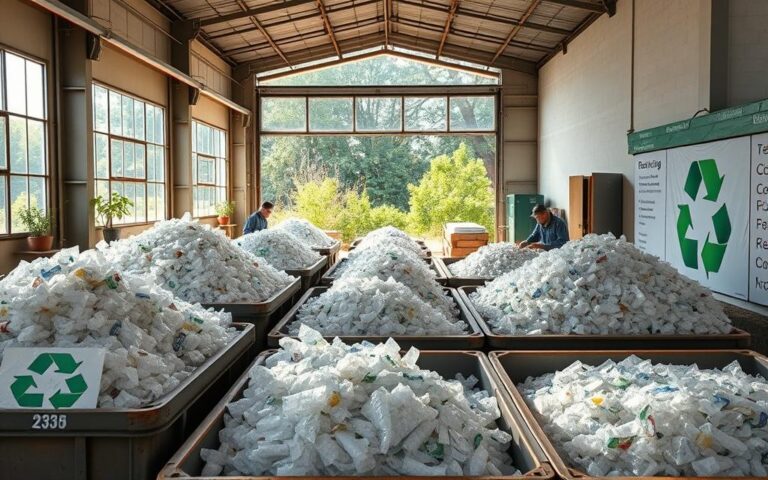
Recycling is one of the most straightforward ways to conserve natural resources. By reprocessing used materials, we reduce the need to extract new raw materials from the earth. For example:
Recycling one ton of paper saves 17 trees, 380 gallons of oil, and enough electricity to power the average home for six months.
Recycling metals like aluminum and steel cuts down the need for energy-intensive mining processes.
Recycled plastics reduce the demand for petroleum, a non-renewable resource.
2. Reducing Waste in Landfills
Landfills are not only eyesores but also major sources of methane, a potent greenhouse gas. When biodegradable waste like food scraps and paper breaks down in the anaerobic environment of a landfill, it releases methane, which contributes to global warming at a rate much higher than CO₂.
Proper recycling reduces the volume of waste sent to landfills. This helps communities extend the lifespan of existing landfill sites and lowers environmental contamination risks from leaking chemicals and microplastics.
3. Energy Savings
Recycling generally uses less energy than manufacturing new products from raw materials. For example, making new aluminum from recycled cans uses 95% less energy than producing it from raw ore. These energy savings translate into fewer fossil fuels burned and lower carbon emissions.
The Combined Impact of Public Transport and Recycling
Individually, riding the bus and recycling your household waste may seem like small actions. But when multiplied across millions of people, these habits have enormous environmental benefits.
Consider this:
A person who regularly commutes by public transit can save more than 4,800 pounds of CO₂ emissions annually compared to a solo driver.
A family that recycles diligently can divert thousands of pounds of waste from landfills every year.
Now imagine the impact if entire neighborhoods, cities, and countries adopted these habits. The result would be cleaner air, healthier oceans, and a meaningful slowdown in climate change.
How You Can Start Today
Eco-Friendly Transportation Tips
Use public transit: Make buses, subways, and trains part of your daily commute. Cities like New York and Boston offer extensive public transportation networks that are reliable and efficient.
Opt for intercity buses or trains: When traveling between cities, choose options like the NYC to Boston bus or Amtrak trains instead of flying or driving alone. These choices produce significantly fewer emissions per passenger.
Walk or cycle for short trips: If your destination is nearby, walking or biking is the most eco-friendly option—and it’s good for your health too.
Promote better transit: Advocate for expanded and improved public transportation options in your community. Better public transit makes green commuting easier for everyone.
Simple Recycling Habits
Separate your waste properly: Sort recyclables like paper, plastics, glass, and metals according to your local recycling program’s guidelines.
Cut back on single-use plastics: Carry a reusable water bottle, coffee cup, and shopping bags to minimize plastic waste.
Recycle electronics responsibly: Drop off old phones, batteries, and electronics at certified e-waste recycling centers.
Educate and inspire others: Share recycling tips with family, friends, and neighbors. The more people participate, the greater the impact.
The NYC to Boston Example: A Small Trip, a Big Difference
Let’s take a closer look at the NYC to Boston route as a real-world example. A solo car trip between these two cities emits around 150-200 kg of CO₂. In contrast, a bus ride emits only 20-40 kg of CO₂ per passenger, according to transportation studies. That’s a massive emissions saving for just one journey.
If 1,000 people choose the bus instead of driving solo, they collectively save over 150,000 kg of carbon emissions. Multiply that by the number of trips happening daily, and the numbers quickly add up to a significant environmental win.
Conclusion: Sustainable Habits for a Better Tomorrow
Protecting our environment does not require radical lifestyle changes or expensive technology. Often, it’s about making smarter, greener decisions in daily life. Choosing public transportation over a personal car, recycling instead of tossing things in the trash—these simple habits, repeated daily, have the power to transform our planet’s future.
If millions of people ride green and recycle smartly every day, the combined impact is transformative. Cleaner air, reduced global warming, less waste, and a healthier environment become achievable goals rather than distant dreams.
So, the next time you’re planning a trip, consider hopping on the NYC to Boston bus. The next time you finish a plastic bottle, drop it in the recycling bin instead of the trash. These actions might seem small, but together, they create a powerful movement toward a sustainable world.
Ride green. Live clean. The planet—and future generations—will thank you.
Modern life is creating more electronic waste, or e-waste, than ever before. The microwave oven, a common kitchen item, is part of this problem. These…
Recycling printer cartridges is a simple yet impactful way to reduce your environmental footprint. It’s estimated that 75% of empty cartridges are not being recycled….
Wood recycling is crucial in making our future more sustainable. It deals with wood waste from construction, manufacturing, and hospitality. These sectors generate a lot…
We use cookies on our website to give you the most relevant experience by remembering your preferences and repeat visits. By clicking “Accept”, you consent to the use of ALL the cookies.
This website uses cookies to improve your experience while you navigate through the website. Out of these cookies, the cookies that are categorized as necessary are stored on your browser as they are essential for the working of basic functionalities of the website. We also use third-party cookies that help us analyze and understand how you use this website. These cookies will be stored in your browser only with your consent. You also have the option to opt-out of these cookies. But opting out of some of these cookies may have an effect on your browsing experience.
Necessary cookies are absolutely essential for the website to function properly. This category only includes cookies that ensures basic functionalities and security features of the website. These cookies do not store any personal information.
Any cookies that may not be particularly necessary for the website to function and is used specifically to collect user personal data via analytics, ads, other embedded contents are termed as non-necessary cookies. It is mandatory to procure user consent prior to running these cookies on your website.
We use cookies to ensure that we give you the best experience on our website. If you continue to use this site we will assume that you are happy with it.