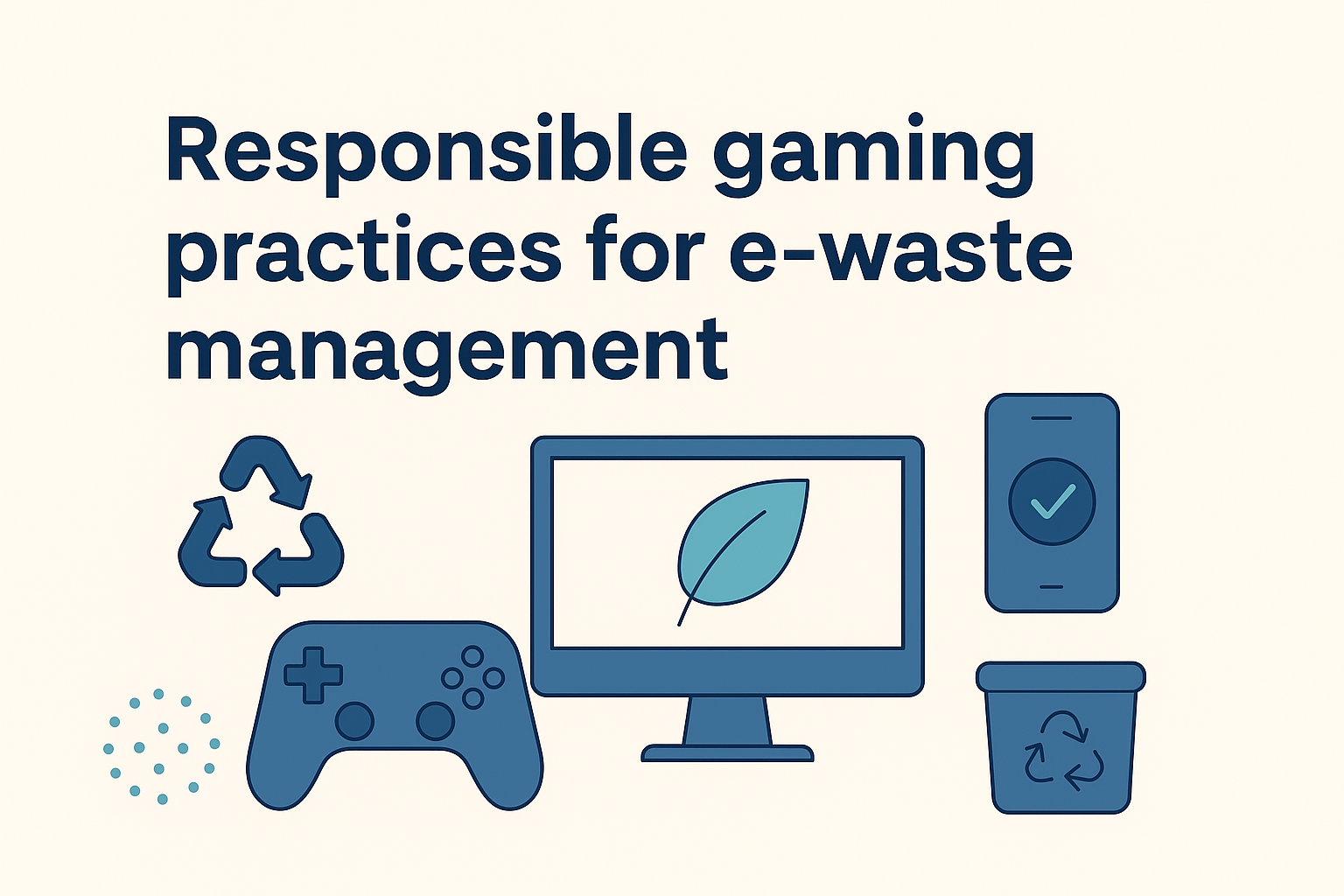
The gaming community is growing rapidly, and with it comes the responsibility to manage electronic waste effectively. As technology evolves, gamers must adopt sustainable practices to minimise their environmental impact.
As a gamer, your enthusiasm for virtual adventures brings with it the challenge of managing the electronic waste generated by your devices. The issue of e-waste is increasingly critical due to the vast number of outdated electronics discarded annually. Understanding how to dispose of these devices responsibly is essential in reducing their harmful effects on the environment. Whether upgrading to the latest gaming console or transitioning to online platforms, responsible e-waste management should be a priority. Additionally, exploring options like real money casino in australia stellarspins can offer a sustainable alternative to traditional gaming setups.
The environmental impact of electronic waste from gaming devices is significant. As technology advances, older devices become obsolete, contributing to a growing e-waste problem. Electronic waste ends up in landfills, releasing toxic substances that harm ecosystems and human health. This makes it vital for gamers to consider the environmental consequences of their discarded gadgets.
Recycling outdated devices is a crucial step in reducing e-waste within the gaming industry. By recycling your old consoles and computers, you can help prevent valuable materials from going to waste. Many components used in electronics can be repurposed or recycled into new products, reducing the demand for raw materials and minimising environmental impact.
Data security is another significant consideration when disposing of gaming equipment. Before parting with any device, ensure all personal data is securely erased. This not only protects your privacy but also prevents sensitive information from falling into the wrong hands during the recycling process.
The lifecycle of gaming hardware presents unique challenges in the e-waste management landscape. Modern gaming devices contain rare earth elements, precious metals, and specialised components that require careful handling during disposal. These materials, while valuable for manufacturing, can become environmental hazards if not properly processed. Gaming peripherals like controllers, VR headsets, and specialised accessories add another layer of complexity to the e-waste challenge, as they often contain different materials that require specific recycling approaches.
The manufacturing process of gaming hardware also presents significant environmental challenges. The production of a single gaming console requires substantial amounts of water, energy, and raw materials. Additionally, the transportation and packaging of these devices contribute to their overall carbon footprint. Understanding these upstream impacts helps gamers make more informed decisions about their purchases and emphasises the importance of extending device lifespans through proper maintenance and care.
Consumer awareness about e-waste has evolved significantly in recent years, particularly within the gaming sector. Modern gamers are increasingly conscious of their environmental footprint, leading to growing demand for eco-friendly gaming solutions. This shift in consumer behavior has prompted major gaming companies to implement take-back programs and develop more sustainable manufacturing processes. These initiatives often include using recycled materials in new products, reducing packaging waste, and designing devices with easier end-of-life dismantling in mind.
Implementing sustainable practices
As a gaming enthusiast, there are several practical measures you can adopt to recycle old devices responsibly. Start by identifying certified e-waste recycling facilities in your area that follow proper disposal protocols. These facilities ensure that your devices are dismantled safely and components are either recycled or disposed of correctly.
Another essential practice is ensuring data removal from your devices before recycling them. Use reliable software tools to wipe personal information completely from hard drives and memory cards. By doing this, you safeguard your data while contributing to an eco-friendly recycling process.
Contributing to a more sustainable gaming environment brings numerous benefits. Not only do you reduce landfill waste, but you also promote responsible consumption patterns within the gaming community. By setting an example and encouraging others to follow suit, you help drive positive change towards more sustainable industry practices.
Consider extending the life of your gaming equipment through proper maintenance and upgrades when possible. Regular cleaning, careful handling, and timely software updates can significantly increase the lifespan of your devices. When upgrades are necessary, opt for modular components that allow for partial replacements rather than disposing of entire systems. This approach not only reduces waste but also proves more cost-effective in the long run while maintaining optimal gaming performance.
Creating a personal inventory system for your gaming equipment can significantly improve your sustainability efforts. Keep track of purchase dates, warranty information, and maintenance schedules for all your devices. This organised approach helps you plan for eventual recycling or replacement, while also identifying opportunities for repairs or upgrades that could extend the life of your gaming hardware. Additionally, documenting the environmental impact of your gaming setup can motivate you to make more sustainable choices in the future.
Transitioning to virtual platforms
Transitioning from old consoles to virtual platforms offers an opportunity for more sustainable gaming habits. Online gaming reduces physical hardware needs, lowering electronic waste production. Exploring virtual platforms allows you to enjoy diverse gaming experiences without constantly upgrading physical devices.
When moving towards online gaming experiences, it’s important to consider regulatory compliance and environmental impacts. Look for platforms that prioritise sustainability and use energy-efficient servers powered by renewable resources.
If you’re unsure how to handle your old consoles after transitioning online, consider recycling or repurposing them creatively. Many local organisations accept donations of functional equipment for educational purposes or refurbishment programs aimed at reducing e-waste through reuse initiatives.
Cloud gaming services represent a particularly promising development in reducing e-waste. These platforms eliminate the need for powerful local hardware, as processing occurs on remote servers. This shift not only reduces the frequency of hardware upgrades but also democratises access to high-end gaming experiences. The environmental impact of cloud gaming depends largely on data center efficiency and network infrastructure, making it crucial to choose providers committed to sustainable practices.
The social aspects of virtual gaming platforms can actually enhance environmental awareness within the gaming community. Many online gaming communities now incorporate environmental themes and discussions into their activities, creating virtual spaces where players can share sustainability tips and organise eco-friendly gaming initiatives. This digital transformation not only reduces physical waste but also serves as a platform for environmental education and advocacy within the gaming ecosystem.
Promoting eco-friendly gaming
Sustainable e-waste management is essential for every responsible gamer seeking to minimise their environmental impact. By implementing best practices for recycling outdated devices and ensuring data security before disposal, you play a vital role in promoting eco-friendly habits within the gaming community.
Your efforts contribute positively towards creating a greener planet while enhancing awareness about responsible consumption patterns among fellow enthusiasts. Adopting these eco-conscious practices enriches your gaming experience and supports broader sustainability goals essential for protecting our environment today and beyond.
Community engagement plays a crucial role in advancing sustainable gaming practices. Consider organising local e-waste collection events, sharing information about proper disposal methods on gaming forums, and supporting manufacturers who prioritise environmental responsibility. Gaming influencers and content creators can amplify these messages, helping to establish sustainability as a core value within gaming culture. By fostering a community-wide commitment to responsible e-waste management, we can ensure that gaming remains an environmentally conscious hobby for future generations.
Financial incentives can play a crucial role in promoting eco-friendly gaming practices. Many manufacturers now offer trade-in programs or discounts for recycling old gaming equipment, making sustainable choices more economically attractive. Additionally, some regions provide tax benefits or rebates for properly disposing of electronic waste. By highlighting these financial advantages alongside environmental benefits, we can encourage more gamers to participate in responsible e-waste management programs and support sustainable gaming initiatives.
By Yvonne Lim BEACHES on Singapore island are being turned into dumping grounds, a recent two-week check by The Straits Times showed. The culprits: Picnickers…
With the rising cost of electronics (and cost of living), refurbished laptops and desktops seem like a smart, budget-friendly option. And often, they are….
In our digital age, outdated CDs often clutter our homes. Learning to recycle CD discs properly is important for eco-friendliness. We must find ways to…
Competitive multiplayer games like CS and Valorant offer intense, rewarding experiences. These tactical shooters pit teams against each other in high-stakes matches. Success requires skill,…
Expanding into international markets is no longer optional for businesses that want to grow. Yet traditional payment methods often create friction. They delay operations and…
We use cookies on our website to give you the most relevant experience by remembering your preferences and repeat visits. By clicking “Accept”, you consent to the use of ALL the cookies.
This website uses cookies to improve your experience while you navigate through the website. Out of these cookies, the cookies that are categorized as necessary are stored on your browser as they are essential for the working of basic functionalities of the website. We also use third-party cookies that help us analyze and understand how you use this website. These cookies will be stored in your browser only with your consent. You also have the option to opt-out of these cookies. But opting out of some of these cookies may have an effect on your browsing experience.
Necessary cookies are absolutely essential for the website to function properly. This category only includes cookies that ensures basic functionalities and security features of the website. These cookies do not store any personal information.
Any cookies that may not be particularly necessary for the website to function and is used specifically to collect user personal data via analytics, ads, other embedded contents are termed as non-necessary cookies. It is mandatory to procure user consent prior to running these cookies on your website.
We use cookies to ensure that we give you the best experience on our website. If you continue to use this site we will assume that you are happy with it.