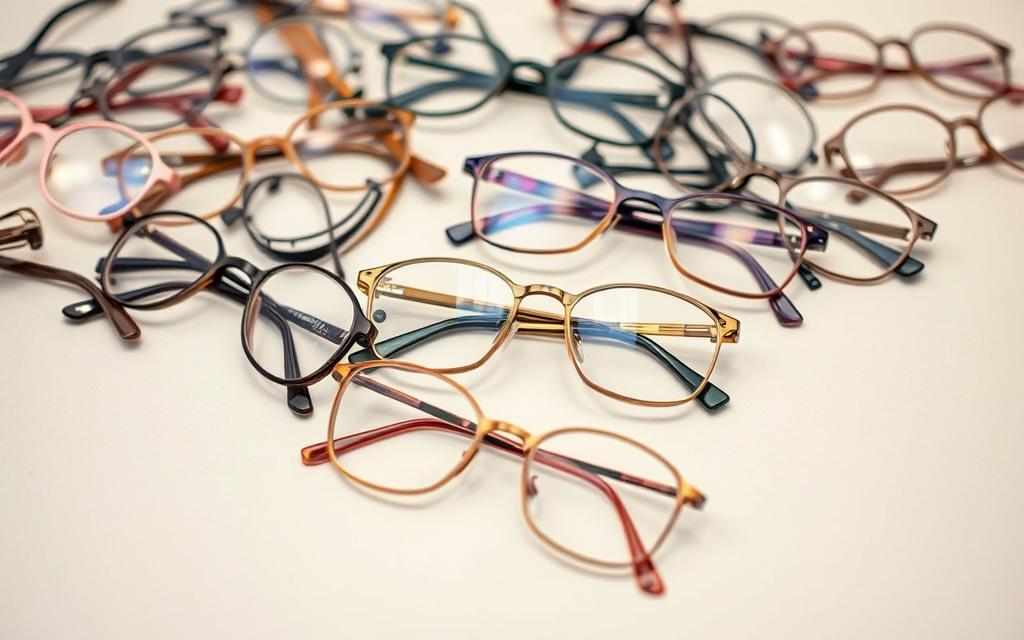
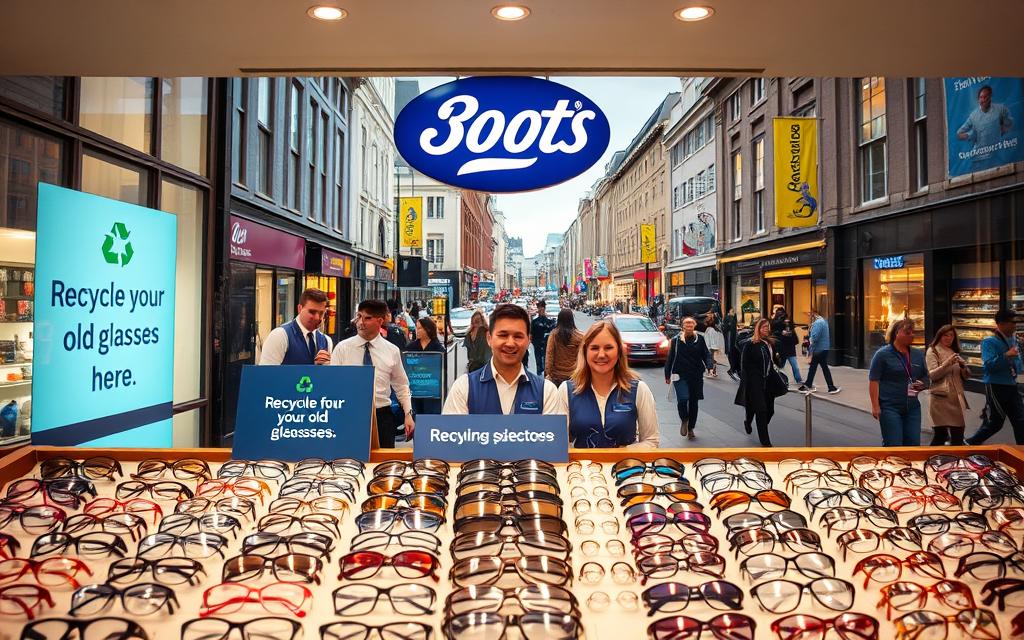
Boots, a leading optician, is committed to promoting sustainability through its spectacle recycling service. By partnering with Recycline, Boots enables customers to give their old glasses a “second life,” reducing waste and supporting environmental conservation.
This eco-friendly initiative is crucial in managing eyewear waste, with millions of glasses ending up in landfills each year. By recycling old glasses, customers can contribute to resource management and help create a more sustainable future.
In this guide, we will walk you through the simple process of recycling your old glasses at Boots Opticians. Learn how easy it is to support this initiative from the comfort of your home and be part of a larger movement towards reducing waste.
Recycling old glasses is a simple yet effective way to contribute to a more sustainable future. Every year, millions of pairs of glasses are discarded, contributing to a staggering amount of waste. In the United States alone, over 300 million pairs of shoes end up in landfills annually, and while the exact figure for glasses isn’t specified, it’s clear that the number is substantial.
Environmental Impact of Discarded Eyewear
Discarded eyewear has a significant environmental impact. Spectacles and prescription sunglasses cannot be recycled through kerbside collection or taken to a standard recycling center, leading to a considerable amount of waste. The materials used in eyewear, including metals, plastics, and specialty components, can be recovered and reused, reducing the need for virgin materials and the energy required to produce new products.
Valuable materials such as metals and plastics can be recovered from old glasses.
Recycling eyewear reduces the demand for new raw materials, conserving natural resources.
The process of recycling eyewear is more energy-efficient than manufacturing new glasses.
Resource Conservation Through Recycling
Recycling glasses at Boots helps conserve resources by reusing materials from old eyewear. This approach supports a circular economy, where materials are kept in use for as long as possible, reducing waste and the continuous demand for new resources. By recycling eyewear, we can create new products and reduce the environmental footprint associated with manufacturing.
In this way, recycling old glasses not only benefits the environment but also contributes to a more sustainable future by conserving materials and promoting sustainability.
By launching its spectacle recycling program, Boots is making a positive impact on the environment and setting an example for other retailers. This initiative is part of Boots’ broader commitment to sustainability and reducing waste.
Boots has partnered with Recycline, a non-profit organization dedicated to recycling eyewear and promoting eye care. Recycline works with various opticians across the UK, including Boots Opticians, to collect and recycle spectacles. This partnership enables Boots to provide its customers with a convenient and environmentally friendly way to recycle their old glasses.
The Recycline program not only recycles eyewear but also provides valuable information on eye care and the importance of proper eye health. By working together, Boots and Recycline are making a significant contribution to reducing the environmental impact of discarded eyewear.
Types of Eyewear Accepted
Boots’ spectacle recycling program accepts a wide range of eyewear, including:
Prescription glasses
Sunglasses (both prescription and non-prescription)
Reading glasses
Specialty eyewear (such as safety glasses or sports eyewear)
Frames with or without lenses
It’s worth noting that while most types of eyewear are accepted, there may be some restrictions on materials or components that cannot be recycled. For example, glasses with broken or severely damaged frames may still be accepted, but certain types of lens coatings or frame materials might not be recyclable. Customers can visit their local Boots Opticians for more information on what is accepted.
The condition of the eyewear can vary; damaged or broken frames are still acceptable for recycling. This inclusive approach ensures that a wide range of customers can participate in the recycling program, regardless of the style or condition of their eyewear.
How to Recycle Spectacles at Boots
To recycle your spectacles at Boots, follow this simple step-by-step guide. Recycling your old glasses is a great way to contribute to environmental conservation while also supporting a sustainable practice.
Finding Your Local Boots Opticians
The first step in recycling your spectacles is to locate your nearest Boots Opticians store. You can do this by visiting the Boots website and using their store locator tool. Simply enter your postcode or city name, and you’ll be provided with a list of nearby stores along with their addresses and contact details. This convenient service ensures that you can easily find a location to drop off your old glasses.
Preparing Your Glasses for Recycling
Before taking your glasses to Boots, it’s a good idea to prepare them for recycling. This involves cleaning the lenses and frames to ensure they’re in the best condition possible. Although Boots accepts glasses in various conditions, cleaning them can help the recycling process. You don’t need any special documentation; just bring your glasses to the store.
The Drop-off Process
Once you’re at your local Boots Opticians, look for the designated recycling collection point, usually located near the optician’s area. The staff will be happy to assist you if you need help finding it or have questions about the recycling process. Boots staff are trained to handle the recycling process efficiently, ensuring that your glasses are properly collected. After dropping off your glasses, you’ll be supporting a sustainable practice that helps reduce waste.
For those with multiple pairs to recycle, Boots typically accommodates bulk donations. There usually aren’t strict limitations on the quantity or frequency of recycling, making it easy to recycle as many pairs as you need.
What Happens to Your Recycled Glasses?
Recycling your glasses at Boots is just the first step in a process that gives your old eyewear a new life. Once collected, your recycled glasses embark on a journey that involves careful sorting, processing, and ultimately, transformation into new products.
The Journey of Recycled Frames
The frames of your recycled glasses are sorted based on their material composition. Metal frames are separated from plastic ones, and each is processed differently. Metal frames are melted down to recover the raw metal, which can then be used to manufacture new products, including potentially new eyewear frames or other metal items. “The recycling process is crucial for conserving natural resources,” as emphasized by environmental experts.
Materials Recovery and Repurposing
The materials recovered from your recycled glasses are not limited to metal. Plastic frames are also recycled, though the process differs significantly from metal recycling. The plastic is broken down and processed into raw material that can be molded into new products, potentially even new eyewear frames or other plastic items. Lenses, whether glass or plastic, are handled with care due to their fragile nature. The recovered materials are then prepared for remanufacturing into value packs bundles or other products, reducing the need for virgin materials and minimizing waste.
As part of Boots’ commitment to sustainability, the materials recovery process is designed to be as efficient as possible, ensuring that as much material as possible is repurposed or recycled. This not only supports environmental conservation but also contributes to a more circular economy.
Benefits of Recycling Your Old Spectacles
The benefits of recycling your old spectacles extend beyond environmental advantages, fostering a positive social impact as well. By recycling your glasses through Boots, you’re contributing to a sustainable future while supporting various charitable initiatives.
Environmental Advantages
Recycling your old spectacles helps reduce the environmental footprint associated with eyewear disposal. The process involves reusing or repurposing materials, which in turn conserves resources and minimizes landfill waste. Eyewear recycling is an effective way to reduce the ecological impact of the eyewear industry.
Environmental Benefits
Description
Resource Conservation
Recycling eyewear helps conserve raw materials needed for new eyewear production.
Waste Reduction
Recycling reduces the amount of waste sent to landfills, minimizing environmental pollution.
Social Impact of Eyewear Recycling
The social impact of eyewear recycling is significant, as it supports charitable causes and helps individuals in need. For instance, recycled glasses can be distributed to those who cannot afford them, improving their quality of life. Organizations like Lions Clubs International collect and redistribute eyewear to underserved communities.
“Recycling is not just about waste management; it’s about creating a better future for others.” –
By recycling your old spectacles at Boots, you’re not only supporting eye care initiatives but also contributing to the well-being of others. The program promotes sustainability and community engagement, raising awareness about the importance of responsible consumption.
When to Consider Recycling Your Glasses
Recycling your old glasses is an environmentally friendly decision that also offers an opportunity to reassess your eye care needs. Understanding when to recycle your glasses is crucial for maintaining eye health and reducing waste.
Regularly reviewing your eyewear can help you determine whether it’s time for a new pair or if your current glasses can be refurbished.
Signs It’s Time to Replace Your Eyewear
There are several indicators that suggest it’s time to replace your glasses. If you notice that your frames are damaged, scratched, or no longer comfortable, it might be time to consider recycling them.
Additionally, changes in your prescription can also signal that it’s time for new glasses. Your optician at Boots can help assess whether your frames are still suitable for use or if they should be recycled.
Prescription Changes vs. Frame Damage
When deciding whether to recycle your glasses, it’s essential to consider whether the issue lies with your prescription or the condition of the frames.
If your prescription has changed, you might be able to keep your favorite frames and simply replace the lenses. However, if the frames are damaged beyond repair, recycling them is the best option.
Condition
Prescription Change
Frame Damage
Action
Replace lenses
Recycle frames
Cost Consideration
Cost of new lenses
Cost of new frames and lenses
Environmental Impact
Reduced waste by reusing frames
Recycling old frames reduces waste
In some cases, minor repairs can extend the life of your glasses. However, if the damage is significant, it may be more cost-effective to recycle your glasses and purchase a new pair.
It’s also worth noting that prescription changes are more frequent in certain age groups or due to specific vision conditions, making regular eye exams crucial for maintaining optimal vision.
By understanding the signs that indicate it’s time to recycle your glasses and considering factors like prescription changes and frame damage, you can make information-driven decisions about your eyewear.
This not only helps in maintaining your eye health but also contributes to a more sustainable future, aligning with initiatives like no7 future renew.
Alternative Options for Your Old Glasses
Before you recycle your old glasses, consider other options that can give your old eyewear a new purpose. Instead of sending them to the recycling bin, you can either reuse your favorite frames or donate them to those in need.
Reusing Your Favorite Frames with New Lenses
If your old glasses are still in good condition but your prescription has changed, consider reusing the frames with new lenses. This approach not only reduces waste but also saves you money, as replacing lenses is often cheaper than buying a completely new pair. Many opticians, including Boots, offer lens replacement services. To reuse your frames, ensure they are in good condition, clean them thoroughly, and take them to your chosen optician for lens replacement.
Check the condition of your frames to ensure they are suitable for reuse.
Clean your frames thoroughly before taking them to an optician.
Consult with an optician to determine the best lens replacement options.
Donating to Charity Organizations
Donating your old glasses to charity organizations is another way to support those in need. Several organizations, such as Lions Clubs around the UK, collect spectacles for reuse. You can visit their website or contact local charity shops to find out more about their eyewear donation programs. Donating your glasses can make a significant difference to others who cannot afford eyewear, providing them with the gift of clear vision and a brighter future.
Research local and international charity organizations that accept eyewear donations.
Prepare your glasses for donation by cleaning them and ensuring they are in usable condition.
Contact the charity organization to learn about their donation process and any specific requirements they may have.
Other Places to Recycle Spectacles Besides Boots
Boots isn’t the sole provider of eyewear recycling services; other notable organizations offer similar programs. If you’re looking for alternative ways to recycle your old spectacles, several options are available across the UK.
Specsavers Recycling Program
Specsavers, another major optician chain in the UK, also offers an eyewear recycling service. Customers can drop off their used glasses at any Specsavers store, regardless of where they were purchased. This program is part of Specsavers’ commitment to sustainability and reducing waste. The collected glasses are then recycled through their partnership with Recycline, a non-profit organization dedicated to eyewear recycling.
Lions Clubs International Collection
Lions Clubs International has been involved in eyewear recycling for decades through their “Recycle Your Vision” program. They collect used eyeglasses at various locations, including some opticians and community centers. The collected glasses are then sorted and distributed to people in need worldwide. This service is not only a recycling initiative but also a way to support people who cannot afford eyewear.
Independent Opticians
Independent opticians also play a significant role in eyewear recycling. Many of these businesses partner with recycling organizations like Recycline to offer collection services for used glasses. The recycling programs can vary among independent opticians, so it’s a good idea to call ahead and confirm their specific services. Some may also offer specialized recycling services for designer or specialty frames. When approaching independent opticians, you can ask about their recycling options and verify the legitimacy of their programs.
Comparing Different Eyewear Recycling Programs
Eyewear recycling programs have gained popularity, with various retailers and specialized services offering distinct approaches. As consumers become more environmentally conscious, the demand for effective eyewear recycling options has increased.
Boots vs. Other Major Retailers
Boots is not the only retailer offering eyewear recycling services. Other major brands, such as Specsavers, also have established programs. A comparison of these services reveals differences in their approaches. For instance, Specsavers focuses on recycling frames and lenses, while Boots partners with Recycline to process collected eyewear. Understanding these differences can help consumers choose the best service for their needs.
When evaluating these programs, consider factors such as the types of eyewear accepted, the recycling process, and any associated costs. Some retailers may accept a broader range of eyewear, including vintage or damaged frames, while others might have more limited criteria.
Specialized Recycling Services
Beyond major retailers, specialized recycling services like Peep Eyewear offer unique approaches to eyewear recycling. Peep Eyewear, for example, accepts both modern and vintage glasses for reuse or recycling. If the frames can be reused, they are refurbished; otherwise, they are donated to organizations like the Lions Club.
Specialized services often provide innovative solutions, such as frame restoration or parts harvesting, which can enhance the environmental benefits of recycling. Additionally, some services focus on specific materials or frame types, offering a more tailored approach to eyewear recycling.
When choosing between retail recycling programs and specialized services, consider the environmental impact, convenience, and any costs associated with the service. By selecting the most appropriate program, consumers can contribute to a more sustainable eyewear industry.
Tips for Extending the Life of Your Current Glasses
To make the most of your current glasses, it’s essential to understand how to properly care for them. Proper maintenance and handling can significantly extend their lifespan.
Proper Cleaning and Maintenance
Cleaning your glasses regularly is vital to maintain their clarity and prevent damage. Use a microfiber cloth and a gentle cleaning solution to wipe away dirt and smudges. Avoid using paper towels or other abrasive materials that can scratch the lenses.
Best Practices for Cleaning:
Use a microfiber cloth to clean the lenses.
Avoid using harsh chemicals or abrasive materials.
Clean the frames as well to prevent dirt buildup.
Storage and Handling Best Practices
Proper storage and handling are crucial to prevent damage to your glasses. Always store your glasses in a protective case when not in use. Avoid leaving them exposed to extreme temperatures or direct sunlight.
Tips for Storage and Handling:
Store your glasses in a protective case.
Avoid extreme temperatures and direct sunlight.
Handle your glasses by the frames to prevent lens smudges.
Storage Method
Benefits
Hard Case
Protects against impact and compression
Soft Pouch
Provides scratch protection and is portable
By following these tips and best practices, you can significantly extend the life of your current glasses and keep them in good condition.
Sustainable Eyewear Options for Your Next Purchase
The eyewear industry is shifting towards sustainability, offering consumers more eco-friendly choices than ever before. As you consider your next pair of glasses, you have the opportunity to support brands that prioritize environmental responsibility.
Eco-Friendly Frame Materials
Many eyewear brands are now incorporating eco-friendly materials into their products. Some examples include:
Recycled plastics
Bio-based materials like cellulose acetate
Sustainable woods
Bioplastics made from renewable biomass sources
These materials not only reduce the environmental impact of eyewear production but also offer unique style options. For instance, No7 Future Renew eyewear utilizes recycled materials, embodying a commitment to sustainability.
Material
Environmental Benefit
Style Options
Recycled Plastics
Reduces waste and conserves non-renewable resources
Variety of colors and patterns
Bio-based Materials
Derived from renewable sources, biodegradable
High-quality, fashionable frames
Brands Committed to Sustainability
Several brands available at Boots are making significant commitments to sustainability. These brands not only offer eco-friendly products but also implement sustainable practices throughout their operations. Some key aspects to look for include:
Take-back or closed-loop recycling programs
Use of renewable energy in manufacturing
Support for environmental or social causes
When shopping for your next pair of glasses, consider brands that align with your values. By choosing sustainable eyewear, you’re not only reducing your environmental footprint but also promoting a more sustainable industry.
Starting a Glasses Recycling Initiative in Your Community
Launching a glasses recycling initiative in your community can significantly impact the environment and support local residents in need. Such initiatives not only help in reducing waste but also contribute to the well-being of the community.
Partnering with Local Businesses
To start a successful glasses recycling program, consider partnering with local businesses. For instance, stores like Boots have shown their support for environmental causes through various initiatives. You can reach out to local opticians, clothing stores, or other businesses that might be interested in supporting your cause. By placing collection boxes in their stores, you can encourage customers to donate their unwanted glasses, clothing, and other items, potentially creating value packs bundles for charity.
When partnering with local businesses, it’s essential to highlight the mutual benefits, such as enhanced community engagement and the positive environmental impact. Ensure that the businesses understand the process and the support they need to provide.
Organizing Collection Drives
Organizing collection drives is a crucial step in your glasses recycling initiative. Begin by setting clear goals for the number of glasses you aim to collect and establishing a timeline for your collections. Promote your initiative through various channels, including social media, local newspapers, and community boards. You can also reach out to local organizations and community groups to spread the word and garner support from the home community.
When organizing the collection drives, consider the logistics, such as the location for drop-offs, handling and sorting of the collected eyewear, and coordinating with established recycling programs. Make sure to have a plan in place for managing the collections efficiently.
Conclusion: Making a Difference One Pair at a Time
By recycling our old glasses, we not only give them a second life but also contribute to reducing waste. Every year, millions of pairs are discarded, but through Boots’ recycling program, we can make a difference. This initiative, part of their broader sustainability practices, allows for the collections of used eyewear, which are then processed into value packs bundles. By taking simple steps to recycle our glasses at Boots locations, we collectively create a significant positive impact. Let’s look to the future and continue to support environmental conservation by recycling our unwanted glasses.
FAQ
What types of eyewear are accepted at Boots for recycling?
Boots accepts a wide range of eyewear for recycling, including prescription glasses, sunglasses, and reading glasses, regardless of their condition.
How do I prepare my old glasses for recycling at Boots?
To prepare your glasses, simply clean them and place them in a protective case or wrap them in a cloth to prevent damage during transport to your local Boots Opticians.
Can I recycle my glasses at any Boots store?
You can recycle your glasses at any Boots Opticians location. To find your local store, visit the Boots website and use their store locator tool.
What happens to my recycled glasses after I drop them off?
After you drop off your glasses, they are sent to a recycling facility where they are sorted, cleaned, and processed for material recovery. The recovered materials are then repurposed into new products, reducing waste and conserving resources.
Are there any other benefits to recycling my old glasses besides helping the environment?
Yes, recycling your old glasses can also have a positive social impact. Some recycling programs, like the one partnered with by Boots, support charitable initiatives and help provide eyewear to those in need.
Can I recycle sunglasses or just prescription glasses?
Both sunglasses and prescription glasses are accepted for recycling at Boots. All types of eyewear are processed together, so don’t hesitate to recycle your sunglasses as well.
How can I make my current glasses last longer?
To extend the life of your glasses, practice proper cleaning and maintenance, store them in a protective case when not in use, and avoid exposing them to extreme temperatures or chemicals.
Are there other places where I can recycle my spectacles besides Boots?
Yes, there are several other organizations and retailers that offer eyewear recycling programs, including Specsavers, Lions Clubs International, and some independent opticians. You can also consider donating your gently used glasses to charity organizations.
Household recycling is key to protecting our environment and living sustainably. Knowing what can be recycled and how to dispose of it is important. This…
Styrofoam, or expanded polystyrene (EPS), is a big problem in recycling. It’s everywhere, from food containers to packaging. But, only a few recycling facilities accept….
Bubble wrap protects fragile items but poses environmental concerns. Its recycling is possible, yet not by simple means. Usually, you can’t put it with regular…
We use cookies on our website to give you the most relevant experience by remembering your preferences and repeat visits. By clicking “Accept”, you consent to the use of ALL the cookies.
This website uses cookies to improve your experience while you navigate through the website. Out of these cookies, the cookies that are categorized as necessary are stored on your browser as they are essential for the working of basic functionalities of the website. We also use third-party cookies that help us analyze and understand how you use this website. These cookies will be stored in your browser only with your consent. You also have the option to opt-out of these cookies. But opting out of some of these cookies may have an effect on your browsing experience.
Necessary cookies are absolutely essential for the website to function properly. This category only includes cookies that ensures basic functionalities and security features of the website. These cookies do not store any personal information.
Any cookies that may not be particularly necessary for the website to function and is used specifically to collect user personal data via analytics, ads, other embedded contents are termed as non-necessary cookies. It is mandatory to procure user consent prior to running these cookies on your website.
We use cookies to ensure that we give you the best experience on our website. If you continue to use this site we will assume that you are happy with it.