The modern digital newsroom has evolved far beyond rows of desks and blinking monitors. Today, it represents a dynamic intersection of advanced technology, collaborative workflows, and a growing commitment to environmental responsibility. As media organizations adapt to 24/7 publishing cycles and multimedia storytelling, many are also rethinking how newsroom design can support recycling, sustainability, and long-term operational efficiency.
The transition from print-heavy operations to fully digital platforms has already reduced paper consumption significantly. Cloud-based publishing systems, digital archives, and remote collaboration tools allow journalists to produce and distribute content faster while minimizing physical resources. Platforms like digital news demonstrate how local and regional outlets can thrive online while reducing dependence on traditional print infrastructure.
This digital-first approach creates an opportunity to redesign newsroom spaces with sustainability in mind—focusing on smarter layouts, flexible workstations, and environmentally conscious materials.
Sustainable Design Principles in Newsroom Architecture
Modern newsroom design increasingly prioritizes sustainability without sacrificing functionality. Open-plan layouts reduce the need for excessive construction materials and allow for natural light, lowering energy consumption. Glass partitions, modular furniture, and multi-purpose spaces support collaboration while remaining adaptable to future needs.
Recycled and recyclable materials—such as reclaimed wood, recycled steel, and low-VOC paints—are becoming standard choices. These materials not only reduce environmental impact but also create healthier work environments for journalists and editors who spend long hours in the newsroom.
Integrating Recycling into Daily Operations
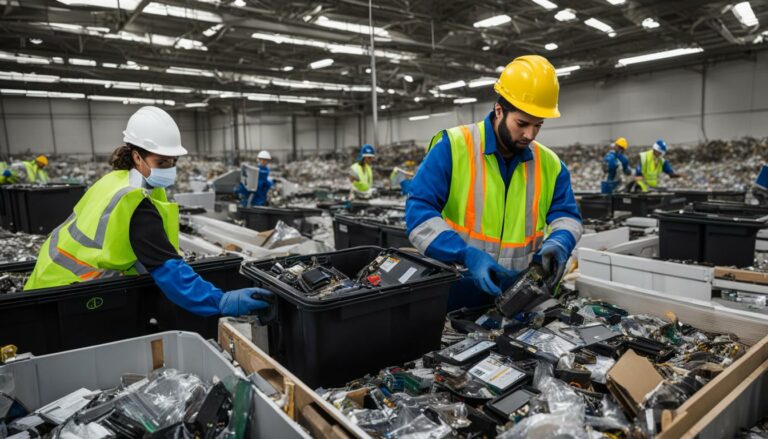
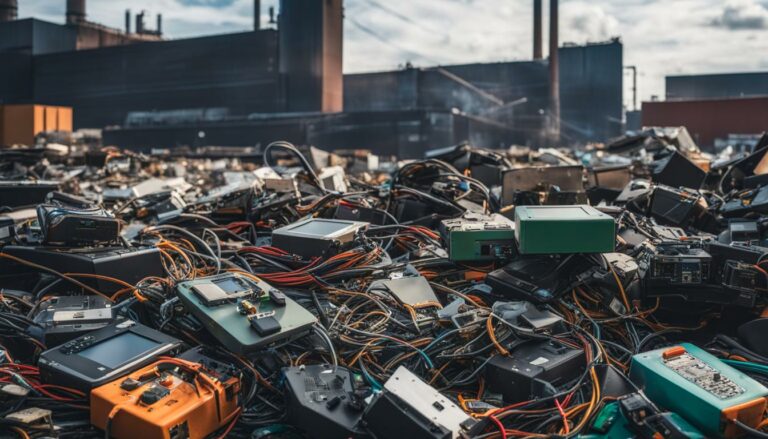
Recycling in the newsroom goes beyond bins for paper and plastic. Forward-thinking media organizations integrate recycling into their daily workflows. Old electronic equipment is responsibly recycled, outdated hardware is refurbished or donated, and server upgrades prioritize energy-efficient models.
Digital asset management systems also reduce redundancy by eliminating unnecessary data duplication, cutting down on server load and energy use. This combination of smart technology and responsible disposal supports both operational efficiency and environmental goals.
Energy-Efficient Technology and Infrastructure
Technology is the backbone of any digital newsroom, and energy-efficient solutions play a critical role in sustainability. LED lighting, motion sensors, and smart climate control systems help reduce electricity consumption. Energy-efficient servers and cloud hosting providers powered by renewable energy further lower the newsroom’s carbon footprint.
Many newsrooms now support hybrid or remote work models, reducing daily commuting emissions while maintaining productivity through secure digital collaboration tools.
Building a Culture of Sustainability
Design alone is not enough—sustainability must be embedded in newsroom culture. Training staff on responsible resource use, encouraging digital documentation over printing, and setting internal sustainability benchmarks help reinforce eco-friendly practices.
When journalists work in an environment that visibly reflects sustainability values, it often influences editorial perspectives as well, encouraging more coverage of environmental issues and responsible innovation.
The Future of the Sustainable Digital Newsroom
As technology continues to evolve, the modern digital newsroom will become even more efficient, flexible, and environmentally responsible. Sustainable design, recycling-focused operations, and smart technology are no longer optional—they are essential components of resilient media organizations.
By aligning newsroom design with sustainability goals, media outlets can reduce costs, improve employee well-being, and demonstrate leadership in environmental responsibility while continuing to deliver timely, impactful journalism.
The importance of Sustainable Computing extends beyond mere environmental stewardship; it also encompasses economic and social dimensions. By adopting sustainable practices, businesses can not only…
Repurposed IT equipment is more than just old machines. It’s about preserving the history of personal computing, making new discoveries, and embracing sustainability. Vintage computers…
Electronic waste, or e-waste, is becoming an increasingly pressing global issue. With 53.6 million metric tonnes generated in 2019 alone, it is clear that urgent…
Advantages Of Laptop Recycling in 2021 Every year different types of laptops of different companies or brands along with new innovations come into the market…
Electronic waste (e-waste) has become a pressing environmental issue, contributing to pollution and health risks. The improper disposal of e-waste in developing countries has led…
Sustainability is a key focus for companies globally, with many having a sustainability strategy in place. However, complex factors such as economic developments, the COVID-19…
We use cookies on our website to give you the most relevant experience by remembering your preferences and repeat visits. By clicking “Accept”, you consent to the use of ALL the cookies.
This website uses cookies to improve your experience while you navigate through the website. Out of these cookies, the cookies that are categorized as necessary are stored on your browser as they are essential for the working of basic functionalities of the website. We also use third-party cookies that help us analyze and understand how you use this website. These cookies will be stored in your browser only with your consent. You also have the option to opt-out of these cookies. But opting out of some of these cookies may have an effect on your browsing experience.
Necessary cookies are absolutely essential for the website to function properly. This category only includes cookies that ensures basic functionalities and security features of the website. These cookies do not store any personal information.
Any cookies that may not be particularly necessary for the website to function and is used specifically to collect user personal data via analytics, ads, other embedded contents are termed as non-necessary cookies. It is mandatory to procure user consent prior to running these cookies on your website.
We use cookies to ensure that we give you the best experience on our website. If you continue to use this site we will assume that you are happy with it.