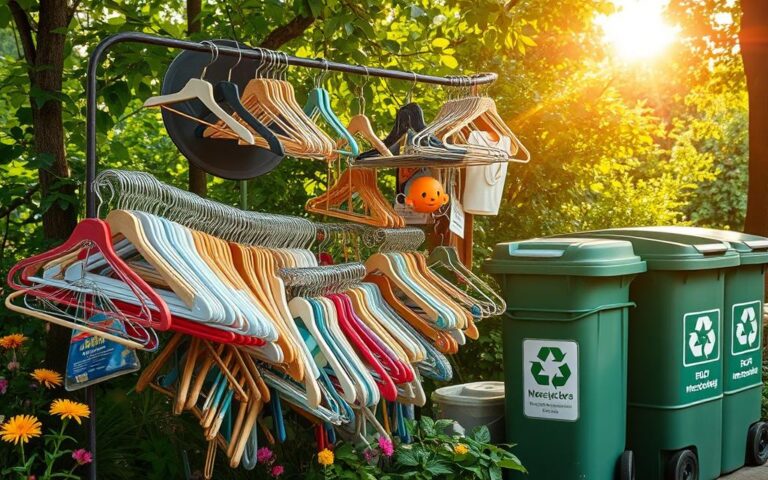
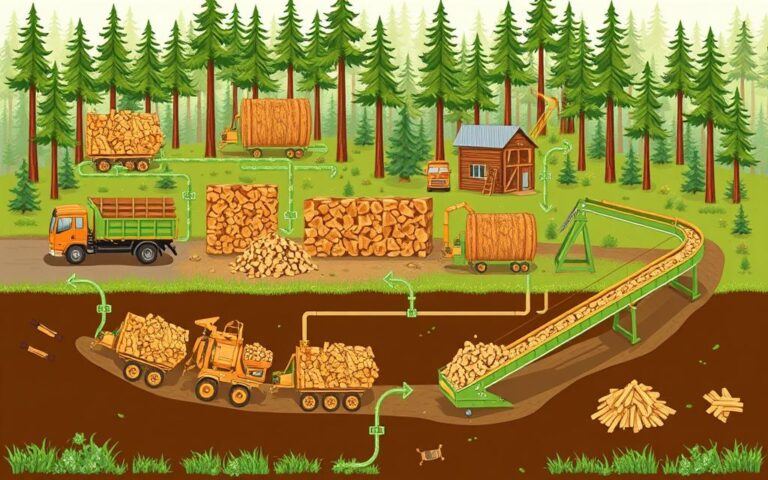
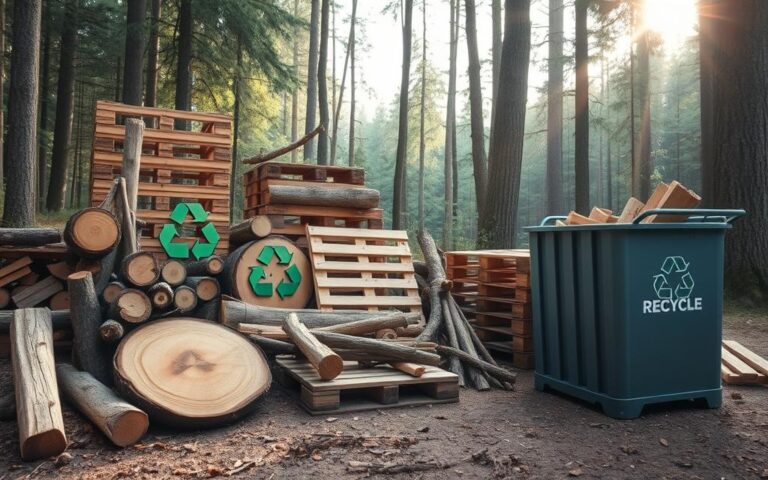
Recycling is more than a trend. It’s key to living in a way that helps both the earth and our future. Knowing what to put in the recycling bin is crucial. Doing it right means materials get a new life, we use fewer resources, and send less to landfill. With the right tips, recycling turns from a simple chore into a major help for our planet.
In places like Portland, how to recycle plastics depends on their shape and size, not just the recycle sign. This local rule shows how important it is to know your area’s recycling rules. It makes recycling work better. And, understanding which metals are recyclable helps with sorting waste correctly.
We’re going to give you tips on what to recycle and what to leave out. Plus, how to keep things that can’t be recycled from messing up the process. By following these tips, everyone can help make earth a cleaner, greener place for the future.
Recycling is key to reducing environmental impact. It’s more than just managing waste, it sets the stage for a sustainable future. By joining recycling efforts, we make big steps towards saving resources and fighting climate change.
Environmental Benefits
Recycling helps cut down waste that would fill landfills. In the U.S., we could recycle 75% of our waste, but only about 30% is actually recycled. Boosting recycling efforts is essential for many reasons:
Every day, the average American throws away around 4.4 pounds of trash. Recycling more can reduce landfill waste significantly.
Recycling a ton of paper saves 17 trees, 7,000 gallons of water, and stops 3 cubic yards of landfill space from being filled. These numbers show how recycling saves precious resources.
It’s crucial to recycle plastics since 91% globally isn’t recycled. Tackling this issue is important for our planet’s health.
Economic Impact
The recycling industry boosts jobs and uses resources wisely. It brings many economic benefits:
For every 10,000 tons of materials recycled, up to 36 jobs can be created. This highlights recycling’s role in growing the green job sector.
Supporting recycling in local communities leads to sustainable growth. Policies that promote recycling can lower costs related to waste and resources.
The economic gains from recycling go hand in hand with environmental advantages. Together, they contribute to a healthier planet and a robust recycling-based economy.
Grasping recycling’s importance enhances our commitment to act responsibly. Simple steps by individuals can spark significant changes, benefiting both the environment and economy.
What Goes in Recycling Bin
Knowing what can be recycled is vital for good waste management. Learn the recycling guidelines well. This reduces recycling contamination and helps our planet.
Common Recyclables
Several materials are common recycling items. Things you can recycle include:
Clean paper: Newspapers, magazines, and cardboard.
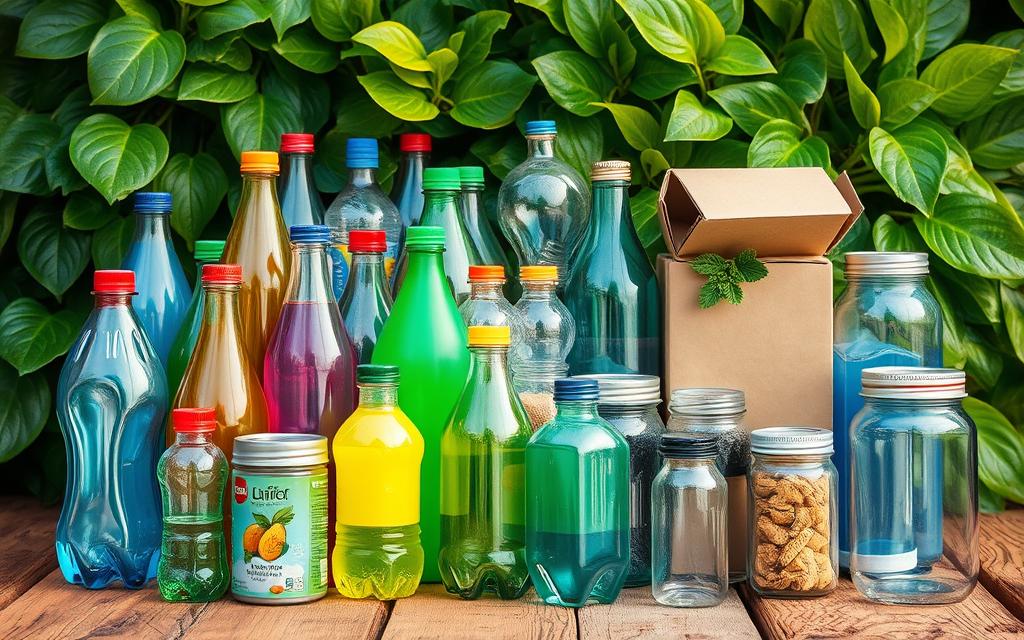
Glass bottles and jars: Only if your local area says it’s okay.
Aluminium cans and foil: Clean food containers and pie plates are good.
Plastics: Look for recycle symbols #1 and #2 on containers.
Using these recycling bin tips means materials get recycled properly.
Items to Avoid
Knowing what not to recycle is important. Don’t put these in your recycling bin:
Food-soiled items: Dirty paper, pizza boxes, and containers with leftover food.
Liquids: Dispose of any liquid-filled items in the black landfill cart.
Plastic bags: They can mess up machines at recycling centres.
Hazardous wastes: Things like batteries and special e-wastes need different disposal.
Getting items ready for recycling correctly is key. Do it like this:
Make sure containers are empty. No need to rinse, just no food left.
Take off lids and caps from bottles and jars.
Flatten cardboard boxes to save space in your recycling bin.
Keep recyclables loose in the bin or use a clear bag.
These steps prevent contamination and make sure our recycling efforts count.
How to Effectively Sort Your Waste
Learning to sort waste well is key to good waste management. It starts with knowing your local recycling rules, as they differ from place to place. This guide will help you learn about reading local recycling guidelines, setting up a sorter at home, and teaching your family how to recycle.
Reading Local Recycling Guidelines
Getting to know your local recycling rules helps you understand what you can recycle. It’s important to check out the guides from your local recycling centre. These are often online or in paper form. Knowing what items can be composted or recycled is crucial. In some places, sorting needs to be very detailed, but in others, it’s simpler.
Creating a Sorting System at Home
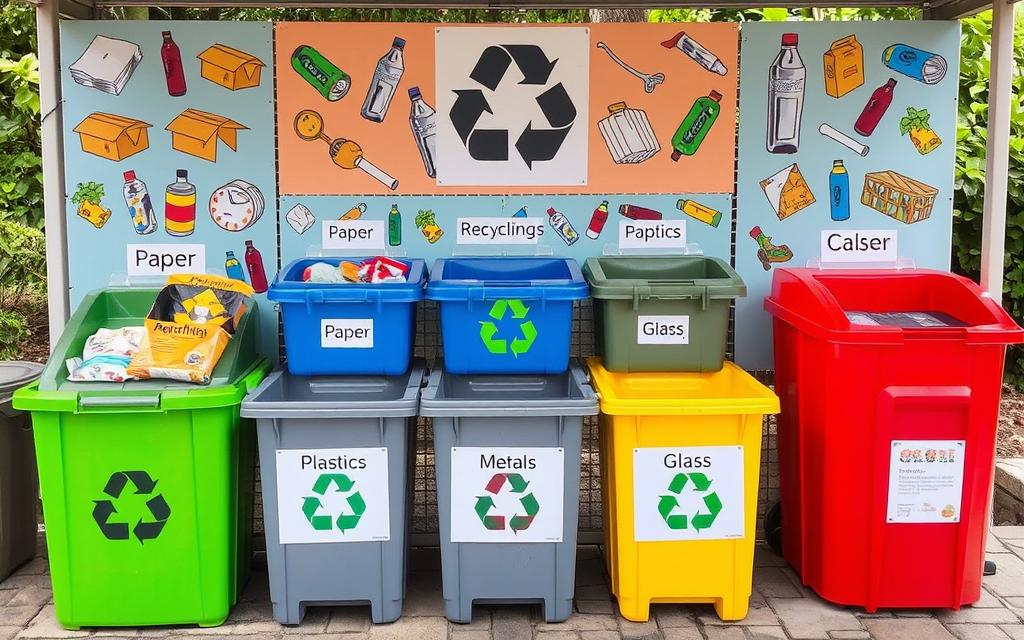
Having a good recycling system at home makes it easier to recycle. Families should use different bins for various recyclables. This helps in sorting waste better. Here’s a suggested way to sort your waste:
Bin Type
Accepted Materials
Glass and Metal
Bottles, cans, and clean jars
Cardboard and Paper
Clean boxes, newspapers, and office paper
Hard Plastic
Containers marked with recycling symbols
Soft Plastics
Plastic bags, wrap, and film
Organic Waste
Fruit scraps, vegetable peels, and yard trimmings
Food Cartons/Deposits
Clean juice boxes and milk cartons
Educating Family Members
Teaching your family about recycling raises awareness and supports sustainability. It’s especially good for children to learn about recycling habits early. Using fun sorting games or workshops can make it interesting. This method helps everyone join in and learn to recycle properly in their everyday lives.
Dealing with Contamination in Recycling
Understanding how wrong items in recycling bins can harm our system is key. When bins get contaminated, it affects our environment and how recycling programs run. It’s vital to stop contamination to reduce problems in waste management.
Consequences of Contaminated Bins
Contamination happens when non-recyclable stuff ends up in recycling. This can cost recycling places a lot. Plastic bags, for example, jam up the machines and slow things down. Other troublemakers include:
Food containers with too much leftover food.
Colourful paper that ruins the recycling of white paper.
Things like syringes and diapers, because you can’t recycle them.
Contaminated items can cause big problems. Too much of it might result in recycling getting trashed instead. Even one person’s mistakes can risk the whole recycling batch. That shows how crucial it is to recycle correctly.
How to Reduce Contamination Risks
Sorting waste correctly is important to lower contamination risks. Following what your local recycling says helps ensure the right items get recycled. Here are tips to prevent messing up:
Wash jars and cans before recycling to avoid food contamination.
Don’t put plastic bags or things that can’t be recycled in the bin.
Make sure bins are labelled clearly to avoid mistakes in sorting.
Getting involved in community clean-ups raises recycling awareness and reduces contamination. Knowing what should and shouldn’t be recycled helps everyone. This way, our recycling system works better and stays effective.
Alternative Waste Disposal Methods
Exploring alternative waste disposal methods is crucial. It lessens the load on landfills and helps the environment. Composting organic stuff and recycling electronics and batteries are great options.
Composting Organic Waste
Composting is a smart way to handle organic waste disposal. It turns kitchen and garden leftovers into compost that helps plants grow. This method reduces waste in landfills, lowers greenhouse gases, and improves soil.
There are different ways to compost, like using worms or just piling up waste. You can pick a method that suits your space and preference.
Special Recycling for Electronics and Batteries
Recycling electronics and batteries is crucial for environmental health. It keeps harmful materials out of landfills and protects health. Don’t throw electronic waste into regular bins.
Look for certified recyclers or local collection events for e-waste recycling. This ensures hazardous substances are handled safely and the planet is protected.
For more details on responsible waste disposal, check out this resource.
Conclusion
Understanding what goes into the recycling bin is key to effective waste management. This summary shows that some materials, like Tetra Paks and plastic coffee cups, aren’t recyclable. This is crucial as 16% to 25% of items in bins are non-recyclable.
At home, we can follow simple steps to reduce waste. This includes separating recyclables and using fewer single-use plastics. It’s important to remember items such as plastic bags should be taken to specific drop-off points.
By improving our recycling habits, we help ensure manufacturers get clean materials for new products. It’s up to us to set a good example and push for better recycling in our areas. Together, we can secure a more sustainable future for all.
FAQ
What materials can I put in my recycling bin?
You can recycle clean paper, cardboard, glass bottles, and jars, if allowed. Plastics marked with #1 and #2 are also recyclable. Make sure to empty and clean containers before recycling.
Are there items I should avoid placing in my recycling bin?
Definitely avoid non-recyclables like food-soiled items, liquids, plastic bags, and greasy pizza boxes. Don’t put glassware, ceramics, plastic utensils, Styrofoam, or batteries in the recycling bin. These need special disposal.
How can I properly prepare materials for recycling?
Make sure food containers are empty. You don’t have to wash them. Take lids off glass jars. Check if plastics #3 to #7 are accepted in your area. Remove all plastic, including tape, from cardboard boxes.
Why is it important to follow local recycling guidelines?
Guidelines change by area, so it’s vital to understand them. This avoids wrong recycling. Local services can help you recycle correctly. They aim to keep recyclables uncontaminated and correctly sorted.
How can I create an efficient sorting system at home?
Have separate bins for plastics, paper, and glass. Make sure everyone knows which bin is for what. This encourages everyone to recycle more and helps keep materials sorted.
What impact does contamination have on recycling?
Contamination increases costs and can cause recyclable materials to be cast aside. This damages local recycling efforts. By following guidelines, we prevent wrong items from entering recycling bins.
What are some ways to reduce contamination risks?
Always stick to local rules and choose to throw away doubtful items. Check item labels regularly. Keeping risky items out helps local recycling processes run smoothly.
What are the benefits of composting organic waste?
Composting cuts down landfill waste and creates nourishing soil compost. You can pick from different methods like heaps or worm composting. It depends on your space and preference.
How should I dispose of electronics and batteries?
Don’t throw electronics or batteries in the regular recycling bin. Find special recycling spots or community events for safe e-waste disposal. This protects the environment.
Recycling is key to a greener future. Clothing hangers, made of plastic, metal, or wood, can be recycled. The GreenDrop recycling programme is a great…
Many people wonder if it’s alright to throw wooden items in the recycle bin. This question is important for curbside recycling services. These services often…
We use cookies on our website to give you the most relevant experience by remembering your preferences and repeat visits. By clicking “Accept”, you consent to the use of ALL the cookies.
This website uses cookies to improve your experience while you navigate through the website. Out of these cookies, the cookies that are categorized as necessary are stored on your browser as they are essential for the working of basic functionalities of the website. We also use third-party cookies that help us analyze and understand how you use this website. These cookies will be stored in your browser only with your consent. You also have the option to opt-out of these cookies. But opting out of some of these cookies may have an effect on your browsing experience.
Necessary cookies are absolutely essential for the website to function properly. This category only includes cookies that ensures basic functionalities and security features of the website. These cookies do not store any personal information.
Any cookies that may not be particularly necessary for the website to function and is used specifically to collect user personal data via analytics, ads, other embedded contents are termed as non-necessary cookies. It is mandatory to procure user consent prior to running these cookies on your website.
We use cookies to ensure that we give you the best experience on our website. If you continue to use this site we will assume that you are happy with it.