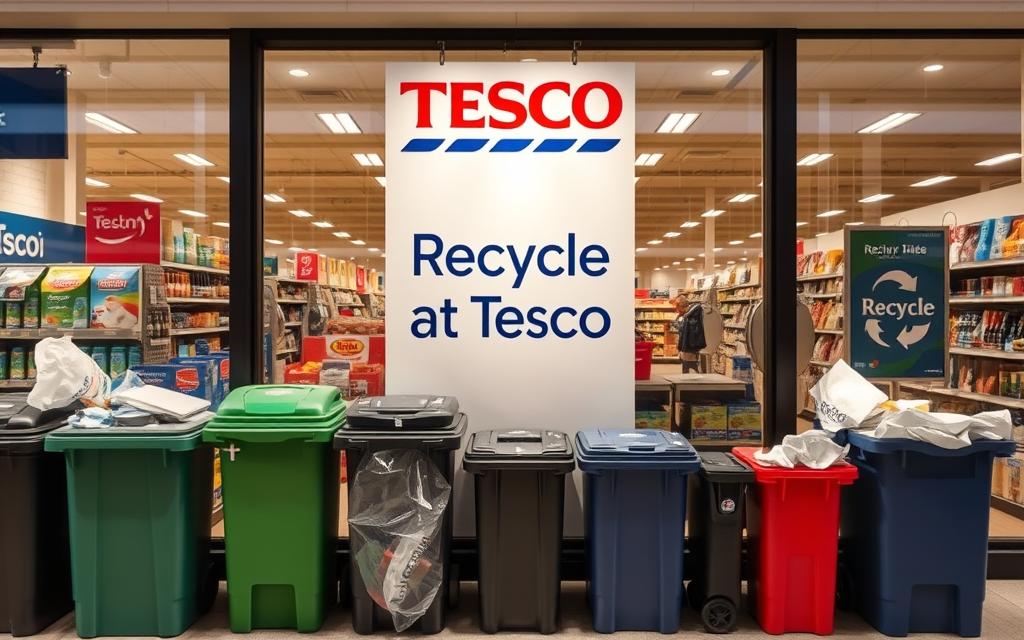
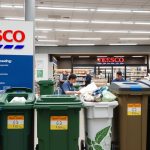
Tesco has taken significant steps towards environmental sustainability by implementing comprehensive recycling programs across its UK stores. With nearly 200 locations offering recycling points, customers can now dispose of various materials responsibly.
Tesco’s commitment to reducing waste is evident in its acceptance of challenging materials like soft plastics, including cling film, bread bags, and crisp packets, which are not typically accepted in curbside recycling programs.
By providing these recycling options, Tesco supports its customers in making environmentally conscious decisions, contributing to a significant reduction in waste sent to landfills and promoting sustainability in daily shopping habits.
The variety of materials accepted at Tesco recycling banks underscores the retailer’s innovative approach to addressing growing environmental concerns and customer demand for sustainable shopping experiences.
Tesco’s commitment to reducing waste and promoting recycling is a cornerstone of their sustainability initiatives. The retailer has been at the forefront of environmental sustainability, implementing various strategies to minimize its ecological footprint.
The 4Rs Strategy: Remove, Reduce, Reuse, Recycle
Tesco’s environmental strategy revolves around their 4R plan: Remove, Reduce, Reuse, and Recycle. This comprehensive approach has yielded impressive results, including the removal of one billion plastic pieces from their operations and a reduction of 3,500 tonnes of packaging annually. Key aspects of this strategy include:
Reducing packaging weight while maintaining product protection
Promoting the reuse of materials where possible
Enhancing recycling capabilities across their operations
Environmental Targets and Achievements
Tesco has set ambitious environmental targets, including achieving zero waste to landfill and making all packaging fully recyclable. Their efforts have earned recognition from environmental organizations, validating their approach to sustainability. For more information on Tesco’s recycling initiatives, you can visit Tesco Recycling Guide. The company continues to lead the way in retail sustainability with its innovative waste management strategies.
What Can I Recycle at Tesco: Overview of Recycling Programs
As part of its sustainability efforts, Tesco has rolled out comprehensive recycling programs in almost 200 stores nationwide. This initiative aims to make recycling easier for customers and reduce the environmental impact of packaging waste. Tesco’s recycling efforts are focused on creating a more circular economy by encouraging the reuse and recycling of materials that would otherwise end up in landfills.
Soft Plastic Recycling Initiative
Tesco’s soft plastic recycling initiative is a significant step forward in addressing problematic waste streams. The program accepts a variety of soft plastics, including cling film, bread bags, and crisp packets, which are not typically accepted in household recycling bins. By providing dedicated drop-off points in stores, Tesco is making it easier for customers to recycle these materials. In the past year alone, Tesco removed a billion pieces of plastic from its packaging, demonstrating its commitment to reducing plastic waste.
In-Store Recycling Facilities
Tesco’s in-store recycling facilities are strategically located to maximize convenience for customers. These facilities are typically found near store entrances or in dedicated recycling areas, making it easy for shoppers to drop off their recyclable materials. The recycling points accept a range of materials, including soft plastics, and are part of Tesco’s broader effort to complement local council recycling services and fill gaps in municipal waste management systems.
Recycling Program
Accepted Materials
Location
Soft Plastic Recycling
Cling film, bread bags, crisp packets
Near store entrances or dedicated recycling areas
In-Store Recycling Facilities
Soft plastics and other recyclable materials
Dedicated recycling areas within Tesco stores
Soft Plastics You Can Recycle at Tesco
Tesco’s soft plastic recycling initiative is a valuable resource for customers looking to reduce their environmental footprint. By accepting a wide range of soft plastics, Tesco is making it easier for shoppers to recycle materials that are typically not accepted in curbside recycling programs.
Cling Film and Food Wrapping
One of the key categories of soft plastics accepted at Tesco is cling film and food wrapping. These items are commonly used in households but are rarely accepted in municipal recycling systems. By recycling them at Tesco, customers can significantly reduce the amount of plastic waste sent to landfills.
Used cling film from food packaging
Food wrapping from snacks and other products
Bread Bags and Produce Packaging
Bread bags and produce packaging are other types of soft plastics that can be recycled at Tesco. These items often contain mixed materials or food residue, complicating their recycling. However, Tesco’s program is designed to handle these challenges, ensuring that these plastics are processed correctly.
Bread bags
Produce packaging, such as bags for fruits and vegetables
Crisp Packets and Snack Wrappers
Crisp packets and snack wrappers, which typically contain metallized plastic films, are also accepted at Tesco’s recycling points. These items require specialized recycling processes, which Tesco has implemented through partnerships with recycling experts.
Crisp packets
Snack wrappers from various snack products
By recycling these soft plastics at Tesco, customers play a crucial role in reducing plastic waste and supporting a more circular economy.
Other Recyclable Items Accepted at Tesco
The recycling facilities at Tesco are not limited to soft plastics; they also accept other recyclable materials, making it a comprehensive recycling destination. Beyond soft plastics, Tesco offers recycling options for a diverse range of items that require specialized handling.
Inkjet Cartridges
Tesco has an inkjet cartridge recycling program that allows customers to recycle original, Tesco branded, and selected other cartridges. This initiative not only prevents electronic waste from entering landfills but also rewards customers with Clubcard points for each cartridge recycled, or they can choose to donate the value to charity.
Batteries and Electronic Waste
Tesco provides convenient collection points for batteries and electronic waste in compliance with WEEE regulations. These items contain hazardous materials that require proper disposal. By recycling these items at Tesco, customers help ensure that they are disposed of in an environmentally responsible manner.
Textiles and Shoes
Tesco also accepts textiles, paired shoes, belts, and curtains for recycling. Textile recycling at Tesco helps divert clothing, shoes, and fabric items from landfills, where they would otherwise take decades to decompose while releasing harmful greenhouse gases. This initiative supports Tesco’s broader sustainability goals and helps reduce waste.
By providing these specialized recycling programs, Tesco makes it easier for customers to recycle a wide range of materials during their regular shopping trips, increasing convenience and participation rates in recycling efforts.
Finding Tesco Recycling Drop-Off Points
With a growing focus on sustainability, Tesco has expanded its recycling facilities to over 171 locations in South West England and Wales. This initiative makes recycling more accessible to customers, empowering them to join in waste reduction efforts.
Store Locations with Recycling Facilities
Tesco has strategically placed recycling facilities across the UK, with a particular concentration in South West England and Wales. The company offers comprehensive recycling services at these locations, making it easier for customers to recycle a variety of items, from soft plastics to electronic waste.
Region
Number of Locations
Recycling Services
South West England
171
Soft plastics, electronic waste, batteries
Wales
Part of 171 locations
Soft plastics, electronic waste, batteries
Using Tesco’s Store Locator for Recycling Points
Customers can easily find Tesco recycling drop-off points using the company’s online store locator tool. This tool allows customers to filter locations based on specific recycling services, making it easier to find stores that accept particular items. By planning recycling drop-offs during regular shopping trips, customers can maximize convenience and encourage consistent recycling habits.
Understanding Recycling Symbols and Labels
Deciphering recycling symbols on packaging can be challenging, but understanding them is crucial for making informed recycling choices at Tesco. Recycling symbols are vital for proper waste management, and Tesco has implemented various initiatives to help customers make eco-friendly choices.
Key Recycling Symbols to Know
Several key recycling symbols are commonly found on packaging. The Mobius Loop indicates that an item is recyclable, while resin identification codes help identify the type of plastic used. The Green Dot symbol signifies that a manufacturer has made a financial contribution to a recycling program. Understanding these symbols empowers consumers to make environmentally conscious purchasing decisions.
Tesco’s Preferred Materials List
Tesco’s Preferred Materials List categorizes packaging materials into three groups: green (highly recyclable), amber (moderately recyclable), and red (difficult to recycle). This list helps suppliers and customers choose greener packaging options, supporting a circular economy. By working with suppliers to transition away from hard-to-recycle materials, Tesco is reducing environmental impact while maintaining product protection and quality.
Material Category
Recyclability
Examples
Green
Highly Recyclable
PET bottles, cardboard packaging
Amber
Moderately Recyclable
PVC packaging, some plastic containers
Red
Difficult to Recycle
Complex packaging, black plastic
The Environmental Impact of Tesco’s Recycling Initiatives
Tesco’s recycling efforts have significantly impacted the environment. By implementing various recycling programs, Tesco has been able to reduce landfill waste and support a circular economy. In the past year alone, they removed a billion pieces of plastic and cut down on plastic packaging by approximately 3,500 tonnes annually.
Reducing Plastic Waste
The reduction of plastic waste is a significant environmental benefit of Tesco’s recycling initiatives. By redesigning packaging and reducing material usage, Tesco has minimized its plastic footprint. Soft plastics, in particular, are being recycled through specialized facilities, where they are cleaned, processed, and transformed into high-quality pellets for new plastic products.
Supporting a Circular Economy
Tesco’s recycling efforts also support a circular economy by transforming waste materials into valuable resources. The soft plastics recycling program is a prime example, where collected plastics are repurposed into new packaging and products. This closed-loop system minimizes environmental impact and promotes sustainability. As stated by environmental experts, “A circular economy is crucial for reducing waste and the continuous consumption of resources.”
Tesco’s commitment to recycling is a step towards a more sustainable future. By continuing to innovate and improve recycling practices, Tesco sets a positive example for other retailers and contributes to a broader environmental impact.
Best Practices for Recycling at Tesco
To recycle effectively at Tesco, customers must follow best practices that ensure the quality of recyclable materials. This involves understanding what can be recycled and how to prepare items correctly.
Preparing Items for Recycling
Proper preparation of recyclable items is crucial. This includes removing food residue from containers, separating different materials, and following specific guidelines for soft plastics like crisp packets and bread bags.
Clean containers thoroughly before recycling them to avoid contamination.
Ensure that all soft plastics are clean and dry before depositing them into the designated recycling bins.
Common Recycling Mistakes to Avoid
Recycling mistakes can significantly impact the effectiveness of recycling programs. Common errors include not cleaning containers properly and including non-recyclable items in the recycling bins.
Mistake
Impact
Correction
Not cleaning containers
Contamination of recyclables
Clean containers before recycling
Including non-recyclable items
Ruining entire batches of recyclables
Check Tesco’s recycling guidelines
By avoiding these mistakes and following best practices, customers can significantly enhance Tesco’s recycling efforts.
Conclusion
Tesco’s comprehensive recycling efforts are transforming the way we approach waste management. With nearly 200 stores in South West England and Wales participating in the program, Tesco is making a significant impact on reducing plastic waste and promoting sustainability. By offering convenient recycling facilities for challenging materials like soft plastics, Tesco is filling critical gaps in the UK’s recycling infrastructure. The success of these initiatives depends on customer participation, with proper preparation and sorting of recyclable items being essential. As Tesco continues to expand its recycling programs, customers can expect even more comprehensive options for responsible waste management.
This commitment to environmental stewardship not only benefits the environment but also supports a circular economy, reducing our ecological footprint and promoting a greener future.
FAQ
What types of soft plastics are accepted at Tesco recycling points?
Tesco accepts a variety of soft plastics, including cling film, bread bags, crisp packets, and snack wrappers, as part of its Soft Plastic Recycling Initiative.
Are all Tesco stores equipped with recycling facilities?
Nearly 200 Tesco stores across South West England and West England Wales have recycling facilities, but it’s best to check with your local store using Tesco’s store locator to confirm.
How much soft plastic has Tesco recycled through its program?
Tesco has successfully recycled over 3,500 tonnes of packaging, including soft plastics, demonstrating its commitment to reducing waste and promoting sustainability.
Can I recycle inkjet cartridges at Tesco?
Yes, Tesco accepts inkjet cartridges for recycling as part of its efforts to reduce electronic waste and support a circular economy.
What is Tesco’s strategy for reducing environmental impact?
Tesco employs the 4Rs strategy: Remove, Reduce, Reuse, Recycle, to minimize its environmental footprint and achieve its sustainability targets.
How can I find Tesco recycling drop-off points near me?
You can use Tesco’s store locator to find recycling points and stores with recycling facilities in your area.
What are some common recycling mistakes to avoid at Tesco?
Common mistakes include not properly preparing items for recycling, such as not removing lids or labels, and contaminating recyclables with food or liquid.
Does Tesco accept batteries and electronic waste for recycling?
Yes, Tesco accepts batteries and electronic waste for recycling, helping to reduce waste and promote responsible disposal practices.
How does Tesco’s recycling program support a circular economy?
By recycling materials like soft plastics, Tesco helps to conserve resources, reduce waste, and promote a circular economy where materials are continually cycled back into production.
Polystyrene, also known as Styrofoam, is everywhere in our world. It’s cheap and useful, but it harms our planet. We’ll look into recycling polystyrene, the…
Every year, 40 billion plastic coat hangers are used globally. This causes a big problem for our environment. These hangers, often made of polystyrene (recycling…
We use cookies on our website to give you the most relevant experience by remembering your preferences and repeat visits. By clicking “Accept”, you consent to the use of ALL the cookies.
This website uses cookies to improve your experience while you navigate through the website. Out of these cookies, the cookies that are categorized as necessary are stored on your browser as they are essential for the working of basic functionalities of the website. We also use third-party cookies that help us analyze and understand how you use this website. These cookies will be stored in your browser only with your consent. You also have the option to opt-out of these cookies. But opting out of some of these cookies may have an effect on your browsing experience.
Necessary cookies are absolutely essential for the website to function properly. This category only includes cookies that ensures basic functionalities and security features of the website. These cookies do not store any personal information.
Any cookies that may not be particularly necessary for the website to function and is used specifically to collect user personal data via analytics, ads, other embedded contents are termed as non-necessary cookies. It is mandatory to procure user consent prior to running these cookies on your website.
We use cookies to ensure that we give you the best experience on our website. If you continue to use this site we will assume that you are happy with it.