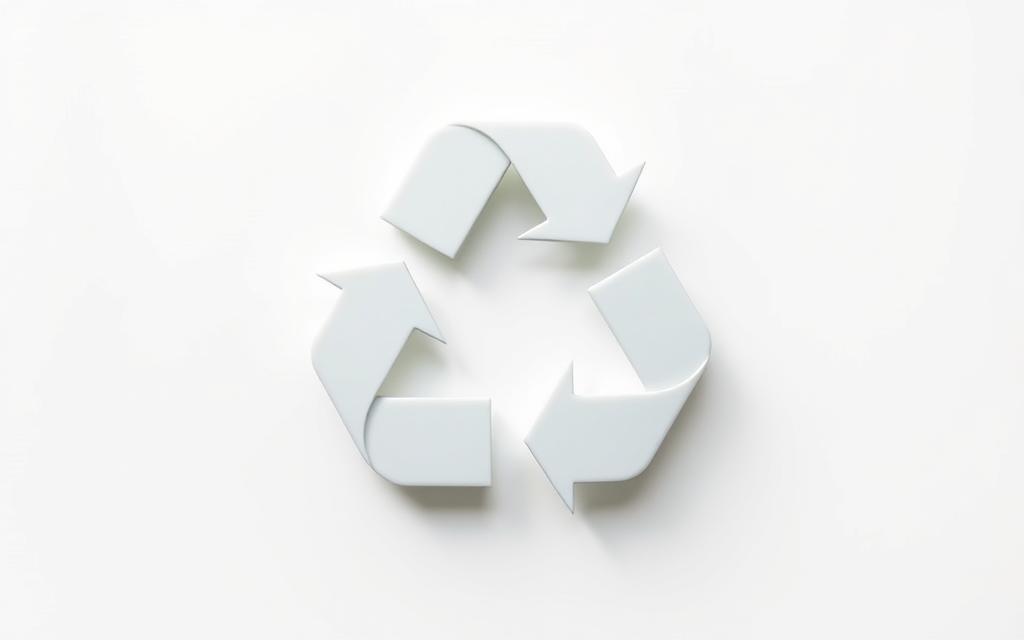
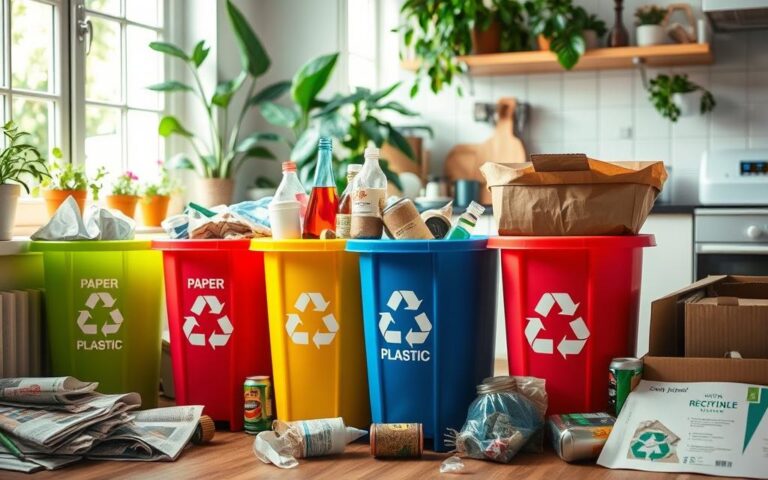
The universal recycling symbol has been a cornerstone of environmental efforts since its creation in 1970 by Gary Anderson. The three chasing arrows represent the concept of reduce, reuse, recycle, and the Mobius loop design signifies circularity.
Despite its widespread recognition, many consumers are unclear about the meaning behind the recycling symbol and the numbers associated with it. This comprehensive guide aims to demystify these symbols, explaining their origins and practical applications in daily life.
By understanding the recycling symbols on packaging, individuals can make informed choices and contribute to sustainability efforts. This guide will explore the evolution of plastic recycling symbols and their significance in reducing waste.
The Evolution and Importance of the Recycle Symbol
The universal recycling symbol, created decades ago, has become a ubiquitous emblem of environmental responsibility. Its evolution is closely tied to the growing awareness of sustainability and the need for proper waste management.
Origin of the Universal Recycling Symbol
The universal recycling symbol was created by Gary Anderson in 1970 as part of a design competition for the first Earth Day celebration. Because it was never copyrighted, it entered the public domain, allowing companies worldwide to adopt and modify it. This lack of standardization led to inconsistent usage and consumer confusion.
Today, recycling symbols play a crucial role in guiding consumers on how to properly recycle various materials. The development of the Resin Identification Coding system in 1988 introduced numbered symbols for different plastic types, enhancing the specificity of recycling information. Modern recycling symbols provide detailed information, supporting sustainability goals and circular economy principles.
Year
Event
Impact on Recycling Symbols
1970
Creation of the universal recycling symbol
Entered public domain, allowing widespread adoption
1988
Introduction of the Resin Identification Coding system
Numbered symbols for different plastic types
Present
Evolution of recycling symbols
More detailed information for consumers, supporting sustainability
Decoding the Universal Recycle Symbol
The recycle symbol, with its iconic three arrows, represents a fundamental concept in waste management. At its core, the symbol signifies the continuous cycle of materials being collected, processed, and transformed into new products.
The Meaning Behind the Three Arrows
The three chasing arrows form a Mobius loop, representing the concept of reduce, reuse, recycle. Each arrow represents a step in the recycling process: collection, processing/manufacturing, and consumer purchase of recycled products. The clockwise direction of the arrows indicates forward progress and the ongoing nature of recycling.
Common Variations and What They Represent
While the basic three-arrow design is widely recognized, numerous variations provide specific information about material types. Some common variations include:
The “chasing arrows” with numbers, used for plastics.
The “Mobius loop,” indicating recyclability.
Percentage figures, showing recycled content.
Specialized symbols for materials like glass, paper, and metals.
These variations help consumers identify the type of material and its recyclability, making the recycling process more efficient.
Symbol Variation
Material Type
Meaning
Chasing arrows with numbers
Plastics
Indicates type of plastic resin
Mobius loop
Various materials
Indicates recyclability
Percentage figures
Various materials
Shows recycled content
Plastic Resin Identification Codes: The Numbers Explained
In 1988, the Society of the Plastics Industry launched the Resin Identification Coding system to help consumers and recycling facilities identify various plastic types. This system has been instrumental in categorizing plastics based on their resin type, thereby facilitating the recycling process.
The plastic resin identification system was created to help consumers and recycling facilities identify different types of plastic, with each numbered code (1-7) representing a specific resin type with unique properties and recycling potential.
Code #1: Polyethylene Terephthalate (PET/PETE)
PET/PETE is commonly used for water bottles, soda containers, and food packaging. It’s one of the most widely recycled plastics, with a recycling rate of around 30% in the US. PET/PETE can be transformed into new containers, carpet fibers, and clothing.
Code #2: High-Density Polyethylene (HDPE)
HDPE appears on milk jugs, detergent bottles, and shampoo containers. It offers excellent durability and recyclability, being accepted by most curbside programs and capable of being recycled up to 10 times.
Code #3: Polyvinyl Chloride (PVC)
PVC contains potentially harmful chemicals and is used in piping, medical equipment, and some food packaging. However, it has an extremely low recycling rate of 0.5% due to its complex composition and hazardous additives.
Code #4: Low-Density Polyethylene (LDPE)
LDPE is found in shopping bags, squeezable bottles, and food packaging. Its flexibility makes it problematic for recycling equipment, requiring special collection through retail drop-off programs rather than curbside recycling.
Code #5: Polypropylene (PP)
PP appears in medicine bottles, straws, and food containers. While once widely accepted for recycling, market changes since 2018 have reduced recycling opportunities for this durable plastic.
Code #6: Polystyrene (PS)
PS, also known as Styrofoam, makes up approximately 35% of US landfill waste and takes up to a million years to decompose. Despite its common use in food packaging and disposable containers, almost no curbside recycling programs accept it.
Code #7: Other Plastics
Code #7 is a catch-all category for mixed plastics and newer resins like polycarbonate and bioplastics. These are generally not recyclable through conventional programs and may contain BPA or other chemicals of concern.
Resin Code
Plastic Type
Common Uses
Recyclability
#1
PET/PETE
Water bottles, soda containers
Widely recycled
#2
HDPE
Milk jugs, detergent bottles
Recyclable up to 10 times
#3
PVC
Piping, medical equipment
Low recycling rate
#4
LDPE
Shopping bags, squeezable bottles
Special collection required
#5
PP
Medicine bottles, straws
Recycling opportunities reduced
#6
PS
Food packaging, disposable containers
Not typically recyclable
#7
Other
Mixed plastics, bioplastics
Generally not recyclable
Beyond Plastics: Other Common Recycling Symbols
Recycling is not just about plastics; numerous symbols exist for different materials, each with its own recycling guidelines. Understanding these symbols is crucial for proper disposal and recycling of various products and packaging materials.
Paper and Cardboard Recycling Symbols
Paper and cardboard products often carry the Forest Stewardship Council (FSC) logo, indicating sustainable sourcing. The “recyclable paper” symbol, showing a circular arrow around paper products, is also common. These symbols are found on items like cereal boxes and egg cartons, signifying that they can be recycled.
Metal Recycling Symbols
Metals such as aluminum and steel have their own recycling symbols. Aluminum products often display the aluminum recycling logo, while steel products may be marked with a magnet symbol. Both materials are infinitely recyclable without losing quality, making them highly valuable in the recycling stream.
Glass Recycling Symbols
Glass containers are typically marked with a simple glass bottle icon, sometimes accompanied by color specifications. Glass can be recycled endlessly, but it must be sorted by color (clear, green, brown) for effective processing at recycling facilities.
Compostable and Biodegradable Symbols
The “seedling” logo is used for products certified as industrially compostable according to European standards. There’s also a “home compostable” symbol for materials that break down in home composting systems. It’s essential to distinguish between these categories to ensure proper disposal, as mixing compostable plastics with regular recycling can cause contamination.
Never put compostable plastic into the recycling with other plastics; it’s designed to break down and cannot be recycled, contaminating recyclable plastics. Understanding and correctly using these symbols can significantly improve recycling practices.
Regional Differences in Recycling Symbols
As global commerce continues to expand, understanding regional differences in recycling symbols becomes increasingly crucial for manufacturers and consumers alike. While attempts have been made to standardize the use of recycling symbols, each country or continent follows its own standards.
The United States and European Union have distinct approaches to recycling symbols and standards. In the US, curbside recycling programs operate primarily at local levels with limited federal standardization, resulting in inconsistent acceptance criteria between neighboring communities.
US Recycling Standards and Symbols
The US relies heavily on voluntary industry initiatives like the How2Recycle label, which aims to provide clearer guidance on recycling programs. However, this approach lacks the regulatory enforcement seen in other regions.
European Union Recycling Standards
In contrast, the European Union has implemented more comprehensive and legally binding recycling standards. The EU Packaging Directive mandates standardized symbols and extended producer responsibility requirements across all member states. The Green Dot symbol, widely used in Europe, indicates that the manufacturer has contributed financially to packaging recovery and recycling systems.
Understanding these regional differences is essential for manufacturers to adapt their packaging and labeling to meet various international recycling standards and regulations.
Practical Guide to Using Recycling Symbols in Daily Life
Understanding recycling symbols is crucial for effective waste management in our daily lives. By applying this knowledge, consumers can make informed decisions that significantly impact the environment.
Checking Products Before Purchase
Before bringing products home, it’s essential to check their packaging for recyclable materials. Opt for products packaged in highly recyclable materials like PET (#1) and HDPE (#2) plastic, aluminum, glass, or paper. Avoid products with packaging made from problematic materials such as polyvinyl chloride (#3) or polystyrene (#6). Consider the entire lifecycle of the packaging and whether your local recycling program accepts it.
Sorting Household Waste Correctly
Proper household waste sorting begins with understanding your local recycling guidelines. Create a systematic approach by using dedicated bins for different material types. Ensure containers are clean and remove non-recyclable components like plastic caps from glass bottles. For items with multiple materials, separate components when possible and follow specific instructions for recycling each part.
By following these simple steps, households can significantly improve their recycling practices and contribute to a more sustainable environment.
Conclusion: Becoming a More Informed Recycler
In the quest for sustainability, grasping the meaning behind recycling symbols is a vital step. With numerous symbols in use, clarity is essential for effective recycling practices. By understanding these symbols, consumers can make informed decisions and properly sort waste. The current US plastic recycling rate of 8.7% highlights the need for better consumer education and infrastructure. Advocating for standardized recycling symbols is a crucial way to drive systemic change in waste management, ultimately contributing to a more circular economy.
FAQ
What do the numbers inside the recycling symbol mean?
The numbers, known as Resin Identification Codes, indicate the type of plastic used to make the product, helping consumers and recycling facilities identify and sort materials.
Are all plastics with the same number recyclable?
No, having the same number doesn’t mean all products are recyclable; it depends on local recycling programs and facilities that accept specific types of plastics, such as HDPE or PETE.
What is the difference between curbside recycling and other recycling programs?
Curbside recycling refers to the collection of recyclables from households, typically including plastic bottles, cartons, and other containers, while other programs may have different guidelines or accept additional materials like egg cartons or food packaging.
Can I recycle plastic bags and other LDPE products?
Some stores have designated collection bins for LDPE products, including plastic bags, but they are not typically accepted in curbside recycling programs; check with local retailers for their recycling policies.
How do I know if a product is compostable or biodegradable?
Look for specific symbols or labels indicating that the product is compostable or biodegradable, and check the packaging for certifications or instructions on how to dispose of it properly.
Are glass and metal containers recyclable?
Yes, glass and metal containers are generally recyclable; check with local recycling programs to confirm the types of materials accepted and any preparation required, such as rinsing or removing lids.
Kitchens are no longer just about cooking—they are becoming technology hubs. Smart fridges, app-controlled ovens, and touchless appliances make life easier, but they also generate…
Recycled metal is very valuable today. The price of different metals changes with supply, demand, and the world economy. In the UK, scrap metal buyers…
Household recycling is key to protecting our environment and living sustainably. Knowing what can be recycled and how to dispose of it is important. This…
Recycling printer cartridges is a simple yet impactful way to reduce your environmental footprint. It’s estimated that 75% of empty cartridges are not being recycled….
Wood recycling is crucial in making our future more sustainable. It deals with wood waste from construction, manufacturing, and hospitality. These sectors generate a lot…
We use cookies on our website to give you the most relevant experience by remembering your preferences and repeat visits. By clicking “Accept”, you consent to the use of ALL the cookies.
This website uses cookies to improve your experience while you navigate through the website. Out of these cookies, the cookies that are categorized as necessary are stored on your browser as they are essential for the working of basic functionalities of the website. We also use third-party cookies that help us analyze and understand how you use this website. These cookies will be stored in your browser only with your consent. You also have the option to opt-out of these cookies. But opting out of some of these cookies may have an effect on your browsing experience.
Necessary cookies are absolutely essential for the website to function properly. This category only includes cookies that ensures basic functionalities and security features of the website. These cookies do not store any personal information.
Any cookies that may not be particularly necessary for the website to function and is used specifically to collect user personal data via analytics, ads, other embedded contents are termed as non-necessary cookies. It is mandatory to procure user consent prior to running these cookies on your website.
We use cookies to ensure that we give you the best experience on our website. If you continue to use this site we will assume that you are happy with it.