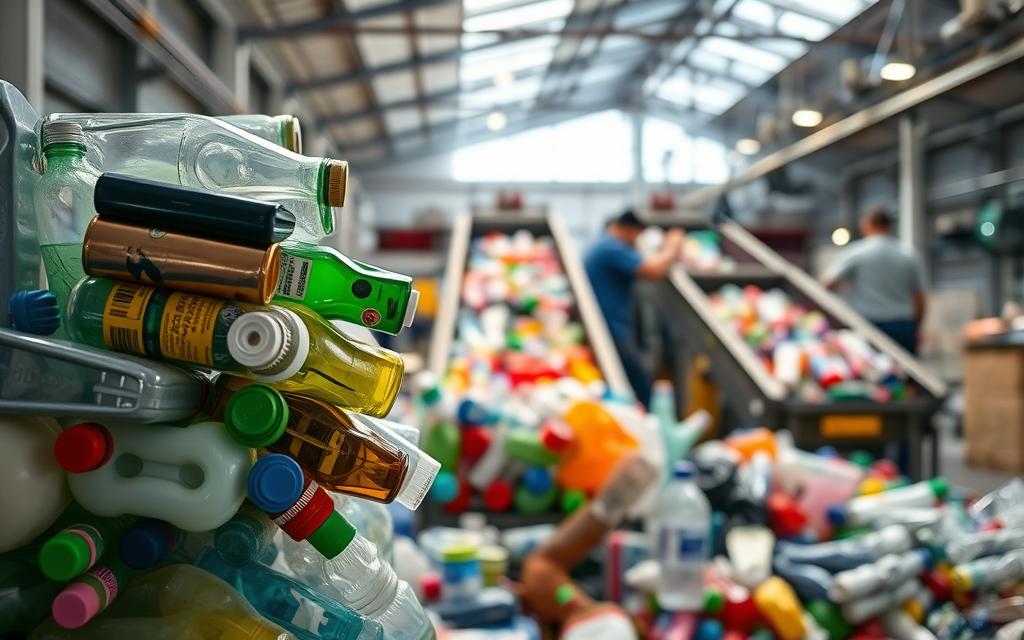
Tesco has taken significant steps in enhancing plastic recycling across the UK, showcasing a strong commitment to protecting the environment. Their innovative program has led to the removal of nearly 1.5 billion plastic pieces from their operations.
The recycling efforts focus on specific types of plastics, including Type 1 (PET), Type 2 (HDPE), and Type 3 (PVC). By accepting these plastics, Tesco encourages customers to participate in responsible packaging disposal.
Understanding the importance of sustainability, Tesco’s program not only reduces waste but also contributes to broader environmental goals. This initiative is a crucial step towards minimizing the impact of plastic waste.
Tesco is taking bold steps towards a more sustainable future by enhancing its plastic recycling capabilities. As a major retailer, Tesco recognizes the importance of reducing plastic waste and has made significant commitments to environmental sustainability.
Environmental Impact Goals
Tesco has set ambitious environmental impact goals, focusing on reducing plastic waste and increasing recycling rates across its operations. The company aims to eliminate unnecessary plastic packaging and promote a circular economy for plastics. By doing so, Tesco is working towards minimizing its environmental footprint and contributing to a more sustainable future. As part of its strategy, Tesco is exploring innovative solutions, such as the Loop trial, which demonstrated the potential for reusable packaging.
Progress and Achievements
Tesco has made significant progress in its sustainability efforts, having cut over 3,000 tonnes of packaging since 2019 and eliminated approximately 1.7 billion pieces of plastic from its UK operations. The company’s zero waste strategy focuses on practical, consumer-driven solutions to plastic waste. Tesco’s commitment to recycling has also led to the introduction of innovative recycling solutions across its stores. As Tesco continues to balance environmental responsibility with consumer needs, it is driving positive change in the retail industry. “We’re committed to reducing waste and promoting sustainability in everything we do,” reflecting Tesco’s dedication to environmental stewardship.
Tesco’s approach to plastic recycling is comprehensive, encompassing both hard and soft plastics. This makes it easier for eco-conscious shoppers to reduce waste and participate in the recycling process.
Hard Plastics Recycling
Hard plastics are categorized into different types based on their material composition. Tesco accepts various hard plastic types, including:
PET (Type 1)
PET, or Polyethylene Terephthalate, is commonly used in water bottles and food containers. It’s fully recyclable and can be transformed into new products.
HDPE (Type 2)
HDPE, or High-Density Polyethylene, is used in milk jugs, detergent bottles, and other household items. It’s known for its durability and is widely recyclable.
PVC (Type 3)
PVC, or Polyvinyl Chloride, is found in pipes, vinyl siding, and some types of packaging. While it’s recyclable, the process is more complex due to its chemical composition.
Plastic Type
Common Uses
Recyclability
PET (Type 1)
Water bottles, food containers
High
HDPE (Type 2)
Milk jugs, detergent bottles
High
PVC (Type 3)
Pipes, vinyl siding, packaging
Medium
Soft Plastics Collection Initiative
Tesco’s soft plastics collection initiative is a significant step towards reducing plastic waste. The program accepts a variety of soft plastic items, including:
Bread Bags and Food Packaging
Bread bags and food packaging materials are accepted. These are often made from flexible plastic that can be recycled into new products.
Cling Film and Salad Bags
Cling film used for wrapping food and salad bags are also accepted. These items are typically difficult to recycle but are included in Tesco’s program.
Crisp Packets and Flexible Pouches
Crisp packets and other flexible pouches used for snacks are accepted. These are made from a type of plastic that can be recycled.
By accepting a wide range of plastic materials, Tesco makes it easier for customers to recycle and reduce their environmental footprint. Ensuring that plastics are clean and free of food residue is crucial for effective recycling.
How Tesco Plastic Recycling Works
Tesco’s plastic recycling program is a comprehensive initiative that transforms plastic waste into valuable resources. This program is crucial in addressing the significant issue that up to 50% of supermarket packaging is traditionally non-recyclable.
Collection Process
The collection process begins with customers returning their used soft plastics to dedicated recycling points in Tesco stores across the UK. Tesco aims to collect and recycle 1,000 tonnes of plastic annually through these in-store collection points. Customers can easily locate these recycling points, making it convenient to participate in the recycling program.
Processing and Recovery Rates
Tesco has achieved an impressive 80% recovery rate for returned soft plastics, significantly higher than typical recovery rates. The collected soft plastics are sent to specialized recycling facilities, such as Berry’s in Heanor, where they are processed. Approximately 25 tonnes of collected soft plastics are processed monthly, contributing to Tesco’s ambitious recycling goals.
Transformation into New Products
The processed plastics are then transformed into valuable new products and packaging materials. Tesco’s recycling initiative, coupled with advanced processing technologies used by their partners, enables the creation of high-quality recycled materials suitable for various applications. As a Tesco sustainability spokesperson notes, “We’re transforming plastic waste into a valuable resource,” highlighting the program’s success in reducing plastic waste.
Where to Find Tesco Recycling Points
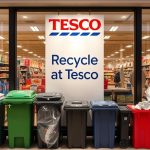
With over 900 stores now accepting soft plastics, Tesco is leading the way in plastic recycling. Tesco has expanded its recycling program to include collection points in numerous stores across the UK, making it easier for customers to recycle plastic waste.
Store Locations Across the UK
Tesco’s recycling initiative has seen the addition of collection points in 171 new stores, primarily in South West England and Wales. This expansion follows a successful trial that began in 2018. Now, customers can find recycling points in over 900 Tesco stores, allowing them to easily recycle items like crisp packets and bread bags in-store.
Using Tesco’s Store Locator
Customers can use Tesco’s website and store locator tool to find the nearest recycling point. By visiting the Tesco website, customers can enter their location and find the nearest store with a recycling point. This feature makes it convenient for customers to participate in Tesco’s recycling program and contribute to reducing plastic waste.
By providing comprehensive information about recycling points and making it easy to locate them, Tesco encourages its customers to recycle more and helps reduce plastic waste in the environment.
Preparing Plastics for Recycling at Tesco
To maximize the effectiveness of Tesco’s plastic recycling program, it’s crucial to understand how to properly prepare your plastics for recycling. The quality of the recycling process heavily depends on how well customers prepare their plastic items.
Cleaning Requirements
Cleaning your plastic items before recycling them is vital. Remove all food residue completely to prevent contamination of other recyclables. Tesco suggests rinsing containers with cold water and ensuring they are completely dry to prevent mold. This simple step significantly improves the recycling process.
Separation Guidelines
Proper separation of different packaging components is also crucial. Separate plastics from other materials and check local recycling capabilities. Removing non-recyclable attachments and labels when possible can improve the quality of recycled materials. By following these guidelines, customers can significantly contribute to the success of Tesco’s recycling program.
Conclusion
Tesco’s plastic recycling program is a significant step towards a more sustainable retail environment, aiming to reduce plastic waste and promote a circular economy. With a commitment to collect and recycle 1,000 tonnes of soft plastic annually, Tesco is tackling the UK’s substantial soft plastic waste challenge.
The initiative has already shown considerable success, with Tesco removing billions of pieces of plastic from their operations while maintaining customer convenience. This effort is crucial, given that only 16% of UK local authorities currently collect soft plastic, highlighting Tesco’s pioneering role in this area.
Customer participation is vital to Tesco’s recycling program, as collective action is necessary for a meaningful environmental impact. By using Tesco’s collection points, customers can contribute to environmental conservation and help achieve the company’s ambitious targets, including using at least 30% recycled materials in packaging and ensuring 90% of packaging is ‘widely recycled’.
Tesco’s plastic recycling initiatives not only benefit the planet but also set a new standard for sustainable retail practices. By transforming soft plastic waste into valuable resources, Tesco is reducing the amount of waste sent to landfills and promoting a more circular economy. As the company continues to innovate and expand its recycling efforts, it serves as a model for other retailers to follow, ultimately contributing to a reduction in plastic waste and a more sustainable future.
FAQ
What types of soft plastics are accepted at stores?
Stores accept a variety of soft plastics, including soft plastic packaging from food products, such as bread bags, fruit and vegetable bags, and soft plastics used for packaging.
How do I prepare my plastics for recycling?
To prepare your plastics, ensure they are clean and free of contaminants. Remove any food residue and rinse them if necessary. You can then deposit them into the designated soft plastics collection points.
What happens to the soft plastics after they’re collected?
The collected soft plastics are processed and transformed into new products, reducing the need for virgin materials and minimizing waste sent to landfills.
Can I recycle all types of plastic packaging?
Not all plastic packaging is accepted. Check the plastic packaging guidelines to see what types are eligible for recycling.
How is Tesco contributing to reducing plastic waste?
The company is committed to reducing plastic waste by collecting and processing soft plastics, aiming to recycle a significant amount of plastic annually.
Where can I find the recycling points in stores?
You can find the recycling points in participating store locations. Use the store locator to find a store near you that has a soft plastics collection point.
What is the goal of the soft plastics collection initiative?
The goal is to collect a substantial amount of soft plastics and promote a circular economy by giving plastics a new life.
How does the soft plastics collection process work?
Customers deposit their soft plastics into the designated collection points in stores. The collected plastics are then processed and transformed into new products.
Polystyrene, also known as Styrofoam, is everywhere in our world. It’s cheap and useful, but it harms our planet. We’ll look into recycling polystyrene, the…
Every year, 40 billion plastic coat hangers are used globally. This causes a big problem for our environment. These hangers, often made of polystyrene (recycling…
We use cookies on our website to give you the most relevant experience by remembering your preferences and repeat visits. By clicking “Accept”, you consent to the use of ALL the cookies.
This website uses cookies to improve your experience while you navigate through the website. Out of these cookies, the cookies that are categorized as necessary are stored on your browser as they are essential for the working of basic functionalities of the website. We also use third-party cookies that help us analyze and understand how you use this website. These cookies will be stored in your browser only with your consent. You also have the option to opt-out of these cookies. But opting out of some of these cookies may have an effect on your browsing experience.
Necessary cookies are absolutely essential for the website to function properly. This category only includes cookies that ensures basic functionalities and security features of the website. These cookies do not store any personal information.
Any cookies that may not be particularly necessary for the website to function and is used specifically to collect user personal data via analytics, ads, other embedded contents are termed as non-necessary cookies. It is mandatory to procure user consent prior to running these cookies on your website.
We use cookies to ensure that we give you the best experience on our website. If you continue to use this site we will assume that you are happy with it.