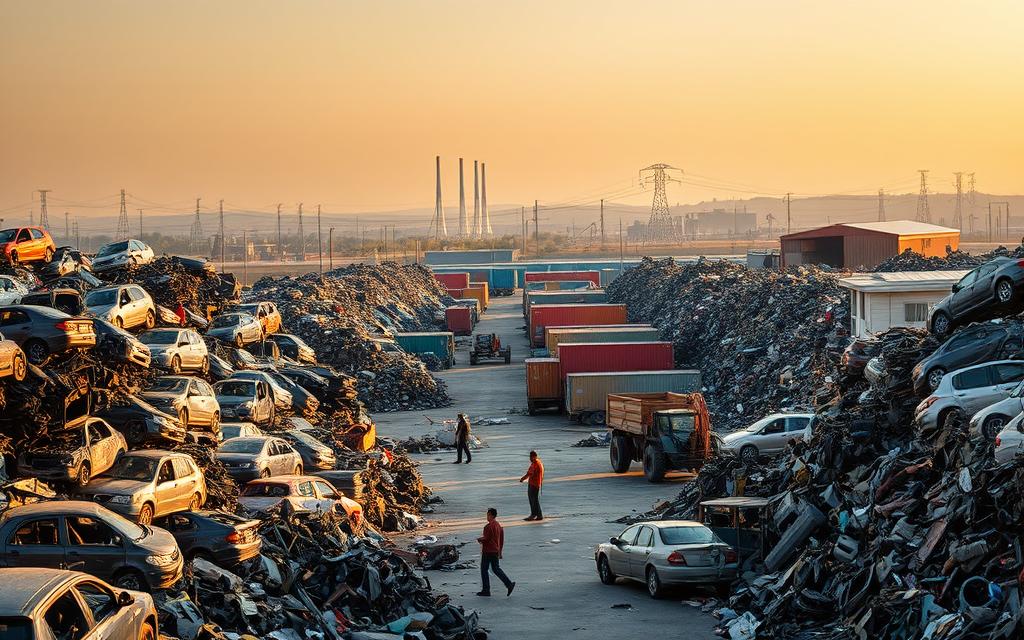
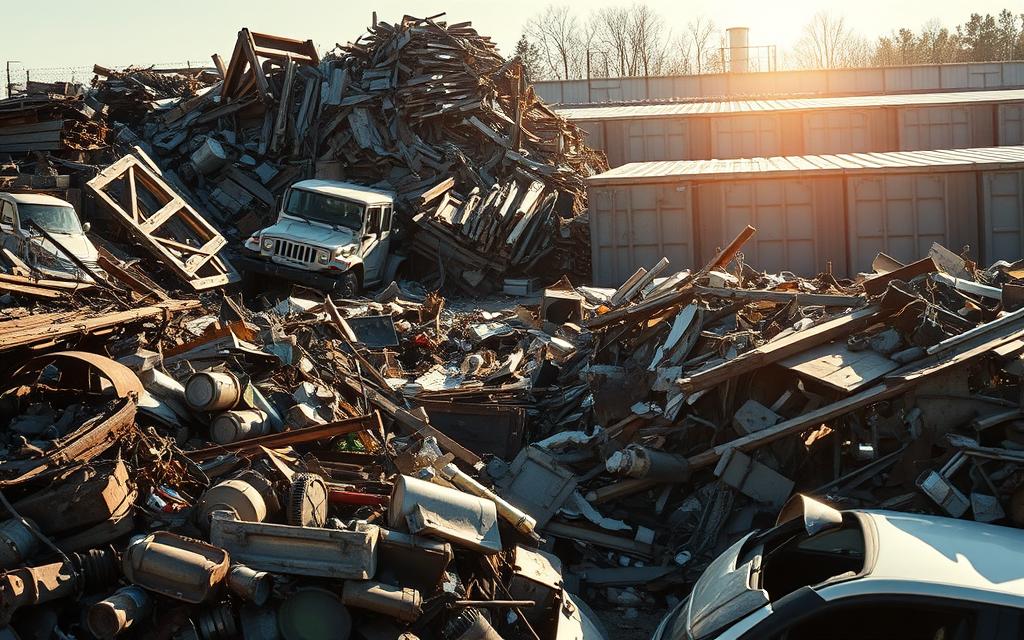
Discover the lucrative world of scrap metal recycling and learn how to capitalize on the highest paying materials in today’s market. Companies like BL Duke and TM Scrap Metals are leading the way in providing top dollar for scrap metals.
With the growing demand for sustainable practices, the metal recycling industry is booming. Understanding the value of different metals and how they’re processed is key to maximizing your returns. Reputable recycling companies offer competitive rates and reliable service, making it easier than ever to recycle your scrap metal.
By exploring local scrap metal recycling centers and understanding the factors that influence metal prices, you can make informed decisions and optimize your recycling experience.
To appreciate the value of scrap metal recycling, it’s essential to understand the different types of metals involved.
Ferrous vs. Non-Ferrous Metals
Ferrous metals contain iron and are typically magnetic, including common materials like steel and cast iron. These metals are abundant but generally fetch lower prices at recycling centers. In contrast, non-ferrous metals lack iron content and include valuable materials such as aluminum, copper, brass, and stainless steel, which command higher prices due to their corrosion resistance and reusability.
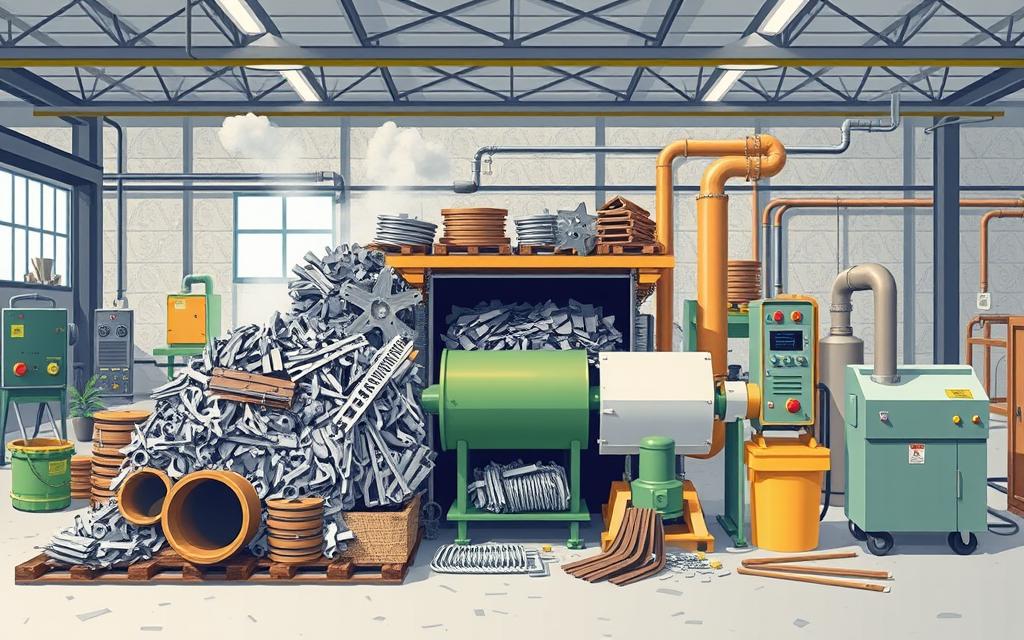
The scrap metal recycling process significantly reduces energy consumption compared to mining and processing virgin materials. For instance, aluminum recycling saves up to 95% of the energy required for primary production. Additionally, recycling one ton of steel conserves 2,500 pounds of iron ore, 1,400 pounds of coal, and 120 pounds of limestone, demonstrating the substantial resource conservation benefits.
Most Valuable Scrap Metals to Recycle
Among the various types of scrap metal, some are significantly more valuable than others, making them worth recycling. The value of scrap metal is determined by its type, condition, and market demand.
Copper is the most valuable common scrap metal, with prices often exceeding $3 per pound for clean, bare copper wire and plumbing components. Its high value is due to its excellent conductivity and industrial demand.
Aluminum: Common and Valuable
Aluminum recycling is highly successful, with items like beverage cans, window frames, and automotive parts being 100% recyclable. The process requires only 5% of the energy needed to produce new aluminum, making it environmentally and economically advantageous.
Other High-Value Metals
Other valuable metals include brass, found in plumbing fixtures and musical instruments, and stainless steel, used in appliances and kitchen equipment. Precious metals like silver, gold, and platinum are also highly valuable, particularly in electronic components and jewelry.
The quest for scrap metal recycling near me begins with understanding what makes a recycling center reputable. When searching for a reliable facility, several factors come into play.
How to Choose a Reputable Recycling Center
To select a trustworthy scrap metal recycling center, research local facilities by checking online reviews, Better Business Bureau ratings, and industry certifications.
What to Look for in Service Hours and Location
Consider the location accessibility and service hours of potential recycling centers. Many reputable facilities offer extended weekday hours and weekend availability.
By evaluating these factors, you can find a reliable scrap metal recycling center near you that meets your needs.
Metal recycling centers offer a range of services to cater to diverse customer needs. These services are designed to maximize the value of recyclables while providing convenience and efficiency.
On-Site Collection and Mobile Recycling
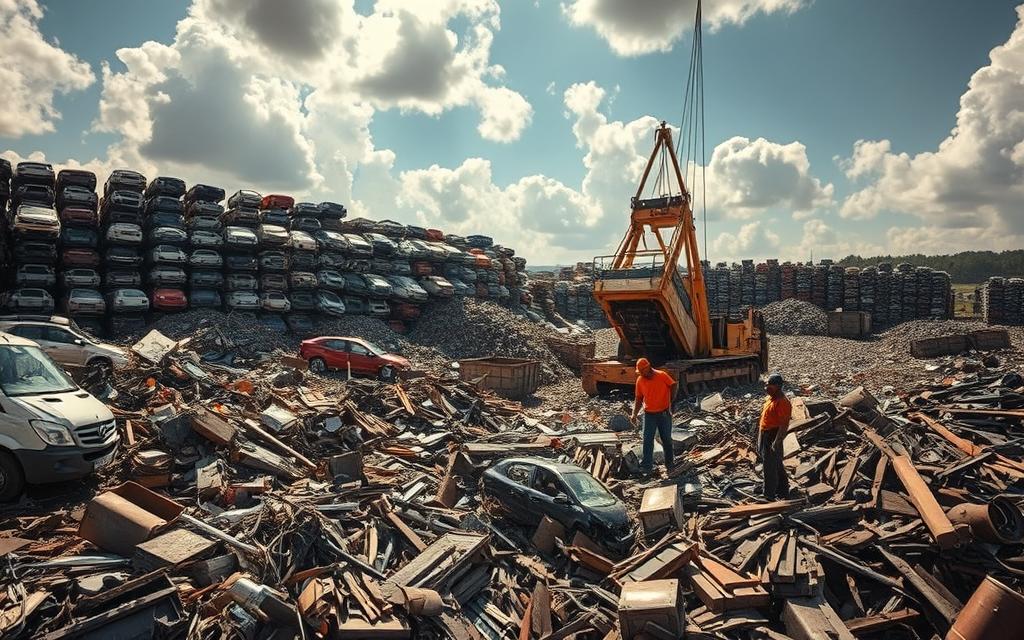
Professional metal recycling centers offer comprehensive on-site collection services, where specialized staff assess your location and provide appropriate containers for efficient scrap accumulation. Mobile recycling services eliminate transportation challenges for customers with substantial metal volumes.
Custom Recycling Programs for Businesses
Custom recycling programs for businesses include tailored solutions such as scheduled pickups, dedicated equipment placement, and specialized handling of unique industrial metal waste streams. For instance, BL Duke’s team creates customized scrap metal recycling programs with unsurpassed service and competitive pricing.
Preparing Your Scrap Metal for Maximum Value
Preparing your scrap metal correctly can significantly increase its value at recycling centers. To achieve the best price, it’s essential to understand the steps involved in preparing your scrap metal.
Sorting and Separating Different Metals
Sorting different metals before visiting a recycling center is crucial. Proper separation can significantly increase their value, as mixed metals typically receive the lowest price point. Learn to identify common metals by their appearance, weight, and magnetic properties. For instance, ferrous metals like steel and iron are magnetic, while non-ferrous metals like aluminum, copper, and brass are not.
Cleaning and Processing Tips
Cleaning your metals by removing excessive dirt, grease, paint, or other coatings can help. Consider stripping insulation from copper wiring when the volume justifies the effort, as bare copper wire can be worth up to three times more than insulated wire. Organizing aluminum items by type can also command varying prices.
Metal Type
Preparation Tip
Potential Value Increase
Copper Wiring
Strip insulation
Up to 3 times more
Aluminum Items
Organize by type
Varying prices based on grade
Ferrous Metals
Remove non-metal attachments
Avoid contamination penalties
Consulting with recycling center staff about their specific preparation preferences can also help maximize the value of your scrap metal. Facilities like Fulton Metals Recycling and TM Scrap Metals offer guidance on how to prepare your materials to get the best price.
Getting the Best Price for Your Scrap Metal
Getting the best price for your scrap metal requires a combination of knowledge and strategic planning. To maximize your returns, consider factors beyond the base price, such as convenient service hours and quality customer experience. Companies like BL Duke, TM Scrap Metals, and Fulton Metals Recycling offer competitive pricing and reliable services. By monitoring market trends and comparing prices among local recyclers, you can make informed decisions and get paid top dollar for your scrap metal today.
FAQ
What types of metals are accepted at recycling centers?
Most recycling centers accept a variety of metals, including aluminum, copper, steel, and iron. Some centers may also accept other metals like brass and stainless steel.
How do I prepare my scrap metal for recycling?
To get the best price, it’s essential to sort and separate different metals. Remove any non-metallic materials, and clean the metal items before taking them to the recycling center.
What are the benefits of recycling scrap metal?
Recycling scrap metal helps conserve natural resources, reduces landfill waste, and saves energy. It also helps to reduce greenhouse gas emissions and supports the production of new metal products.
How do recycling centers determine the price of scrap metal?
Prices are typically based on the current market value of the metal, as well as the weight and quality of the material. Some centers may also offer different prices for different types of metal.
Can I get paid for recycling my scrap metal?
Yes, many recycling centers will pay you for your scrap metal, depending on the type and quantity. Some centers may also offer on-site collection or mobile recycling services for businesses and individuals.
What should I look for when choosing a recycling center?
Look for a center that is licensed and reputable, with a clear pricing structure and convenient service hours. You may also want to check their location and whether they offer any additional services, such as custom recycling programs.
The Windows Recycle Bin holds deleted files and folders temporarily. It’s key to clear out space and boost your computer’s speed. This guide shows you…
Every year, millions of printer cartridges are thrown away. This makes finding eco-friendly ways to dispose of them very important. This guide will show you…
Recycling is key to managing waste and protecting our environment. As a responsible citizen, knowing what can be recycled is crucial. This guide will show…
Is wood recyclable? This question is key in our journey towards sustainability. Wood, a natural and abundant resource, can indeed be recycled, embracing sustainable practices….
Crisp packets are tough to recycle because of their makeup. They’re made from a mix of plastics and metallised films. Regular recycling bins can’t handle…
We use cookies on our website to give you the most relevant experience by remembering your preferences and repeat visits. By clicking “Accept”, you consent to the use of ALL the cookies.
This website uses cookies to improve your experience while you navigate through the website. Out of these cookies, the cookies that are categorized as necessary are stored on your browser as they are essential for the working of basic functionalities of the website. We also use third-party cookies that help us analyze and understand how you use this website. These cookies will be stored in your browser only with your consent. You also have the option to opt-out of these cookies. But opting out of some of these cookies may have an effect on your browsing experience.
Necessary cookies are absolutely essential for the website to function properly. This category only includes cookies that ensures basic functionalities and security features of the website. These cookies do not store any personal information.
Any cookies that may not be particularly necessary for the website to function and is used specifically to collect user personal data via analytics, ads, other embedded contents are termed as non-necessary cookies. It is mandatory to procure user consent prior to running these cookies on your website.
We use cookies to ensure that we give you the best experience on our website. If you continue to use this site we will assume that you are happy with it.