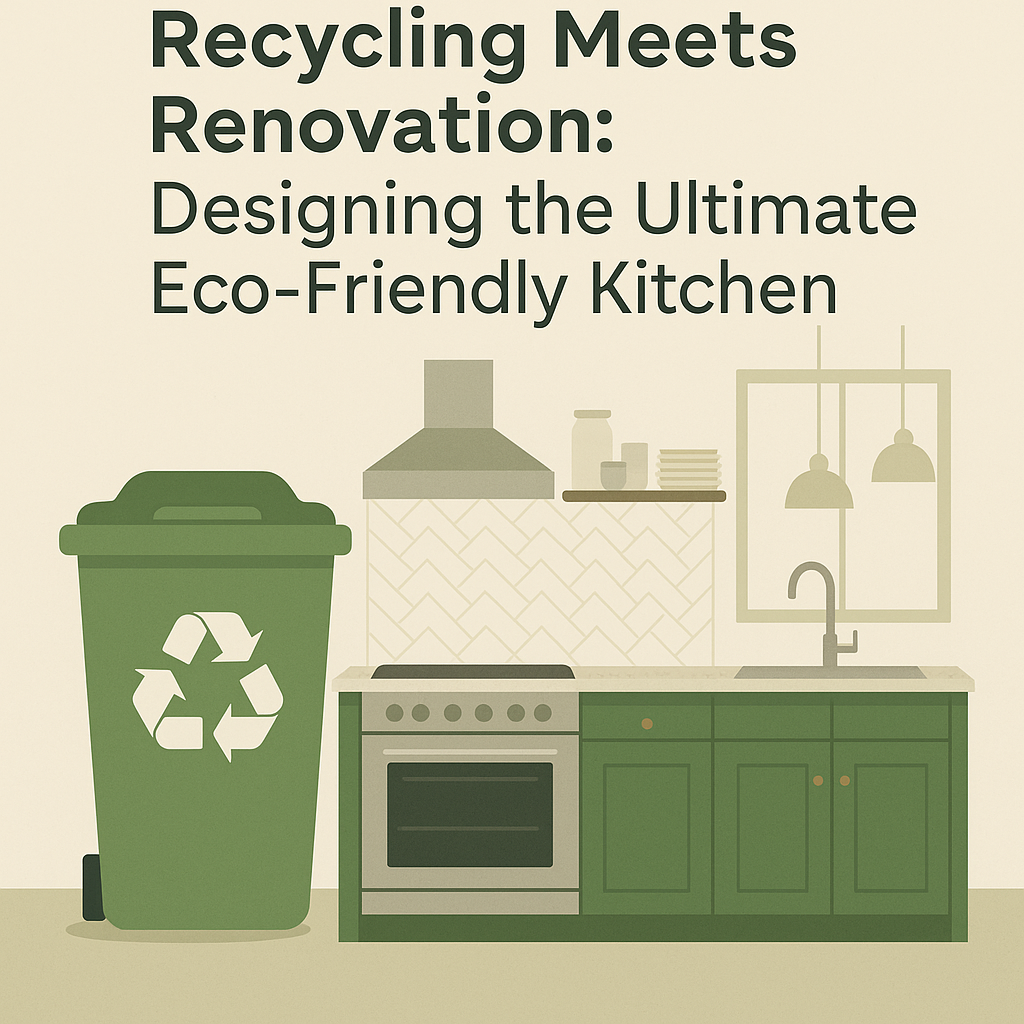
In today’s world, sustainability isn’t just a trend—it’s a responsibility. As more homeowners become aware of their environmental footprint, the way we approach home improvement is evolving. Kitchens, often the heart of the home, are now undergoing eco-conscious transformations. Enter the concept of recycling meets renovation—a modern approach that blends functionality, beauty, and sustainability into one cohesive design.
This article will walk you through the steps to designing an eco-friendly kitchen, the benefits of recycling during renovation, and why this approach is gaining popularity in urban centers like New York City, especially among those investing in kitchen renovations NYC.
The kitchen is typically one of the most energy-consuming spaces in a home. It’s where water, gas, and electricity all converge—and where a lot of waste (both food and packaging) is generated. Renovating with eco-conscious practices helps to:
Reduce landfill waste
Improve indoor air quality
Lower long-term energy and water bills
Support a healthier lifestyle
Increase the home’s resale value
And in bustling cities like NYC, where environmental impact is taken seriously, eco-friendly NYC renovations are becoming a selling point for modern urban dwellers.
Before swinging a hammer, begin with a sustainable renovation plan. Consider:
Reuse Before You Remove: Can your current cabinets be refaced instead of replaced? Can old appliances be donated or repurposed?
Avoid Over-Renovating: Instead of gutting the entire space, keep what works. Not only does this cut down on waste, but it saves money.
Source Locally: Choosing local materials reduces carbon emissions caused by shipping and supports nearby businesses.
Partnering with contractors who specialize in kitchen renovations NYC can help ensure your plans align with both sustainability and city building codes.
Step 2: Use Recycled or Reclaimed Materials
Choosing recycled or reclaimed materials is one of the most effective ways to green your renovation.
1. Recycled Countertops
There are many innovative brands that create stunning countertops from recycled glass, paper composite, bamboo, or even plastic. These countertops are durable, stylish, and available in many colors.
2. Reclaimed Wood Cabinets
Salvaged wood from barns, old homes, or deconstructed buildings can be used to make unique, character-filled cabinets. Not only is it environmentally friendly, but it also brings warmth and authenticity to the kitchen.
3. Recycled Metal Fixtures
Recycled stainless steel for sinks, fixtures, and backsplashes is a durable and modern option.
4. Flooring Options
Consider recycled tile, cork, or bamboo. Recycled ceramic and glass tiles make beautiful backsplashes and floors. Cork is renewable and naturally antimicrobial, while bamboo is fast-growing and incredibly durable.
By using recycled and reclaimed materials, your NYC renovations can reduce waste while creating a one-of-a-kind kitchen.
Step 3: Choose Energy-Efficient Appliances
The right appliances can drastically reduce your kitchen’s energy and water consumption.
Look for ENERGY STAR® ratings on fridges, dishwashers, and ovens.
Choose Induction Cooktops: These use less energy and heat food faster.
Install Low-Flow Faucets to conserve water without compromising performance.
It’s also wise to consider smart appliances that can be controlled remotely or optimize energy usage automatically.
Step 4: Improve Lighting the Green Way
Eco-friendly lighting combines energy efficiency with ambiance. Here’s how:
Use LED Bulbs: They consume less power and last longer.
Maximize Natural Light: Add skylights or widen windows to reduce daytime electricity usage.
Install Dimmer Switches and Motion Sensors for efficiency.
NYC apartments and homes often lack natural light, so thoughtful lighting design is key. A kitchen renovations NYC specialist can help balance sustainability with brightness.
Step 5: Integrate Recycling and Composting Systems
What’s a green kitchen without a system to manage waste responsibly?
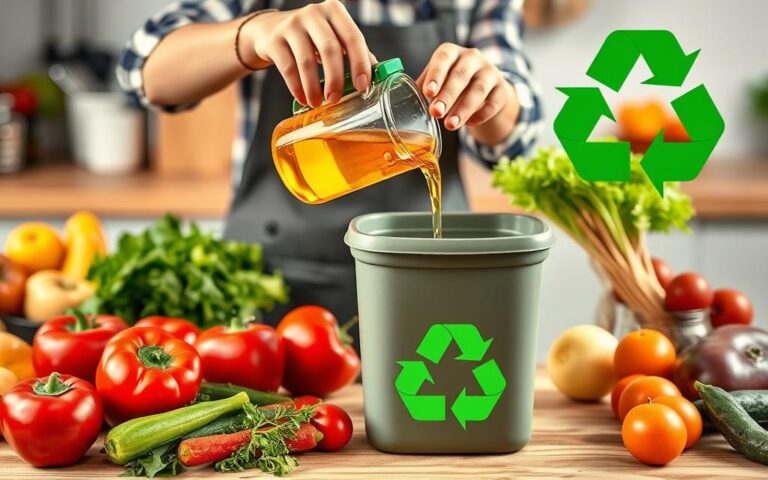
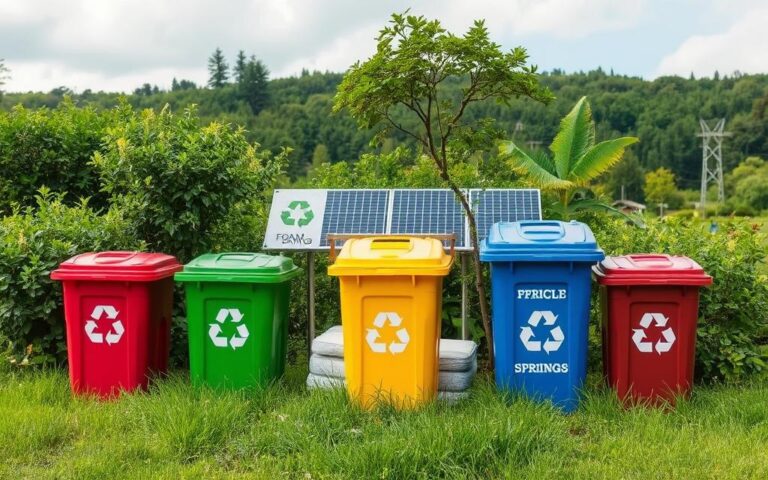
Built-In Recycling Stations: Designate drawers or pull-outs for separating glass, paper, and plastic.
Composting Units: Under-sink compost bins or countertop composters help manage organic waste. Some even connect to smart appliances.
This not only encourages eco-conscious habits but also makes waste disposal more efficient and hygienic.
Step 6: Go Low-VOC and Non-Toxic
Conventional renovation materials often emit volatile organic compounds (VOCs), which pollute indoor air.
Opt for:
Low-VOC Paints and Adhesives
Formaldehyde-Free Cabinets and Plywood
Eco-Friendly Sealants and Finishes
These materials create a healthier space for your family and pets while maintaining the integrity of your renovation.
Step 7: Think Long-Term Sustainability
The most sustainable kitchen is one that’s built to last. Avoid trendy or short-lived design elements. Instead:
Choose timeless color palettes and classic materials.
Invest in durable hardware and finishes.
Select modular cabinet systems that allow easy updates instead of replacements.
With thoughtful choices, your kitchen will not only look great today but remain functional and stylish for decades.
Why NYC Is Embracing Eco-Friendly Kitchen Renovations
Urban areas like New York City are at the forefront of sustainable living. With limited space and strict regulations, homeowners and renovators are adopting eco-conscious methods out of necessity and social responsibility.
Professional contractors offering kitchen renovations NYC are now integrating green solutions as standard practice—not just optional upgrades. This includes energy-efficient layouts, reusable demolition practices, and even solar-ready kitchens for buildings where it’s possible.
Many neighborhoods in NYC, like Brooklyn and parts of Manhattan, are also encouraging green building practices with city incentives and LEED certifications for sustainable renovation.
Final Thoughts
Designing an eco-friendly kitchen isn’t just about recycling materials—it’s about rethinking how we build, use, and maintain our spaces. When done thoughtfully, your kitchen renovation can improve your quality of life, reduce your environmental footprint, and set a new standard for home design in your community.
Whether you’re a homeowner seeking a greener lifestyle or a designer looking to push boundaries, combining recycling with renovation is a powerful way to make a lasting difference.
If you’re considering NYC renovations, partner with professionals who share your eco-conscious values. Sustainable kitchens aren’t just good for the planet—they’re good for your home, your health, and your wallet.
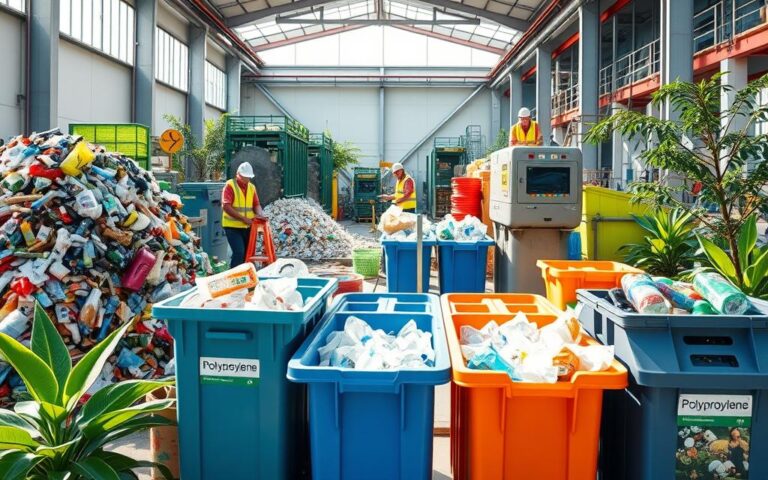
Polypropylene (PP) is a flexible, light thermoplastic greatly used across many sectors. Its benefits include being cheap and useful. You find it in things like…
Understanding how to dispose of old duvets responsibly is very important. Each year, the fashion industry produces vast amounts of textile waste. This equals a…
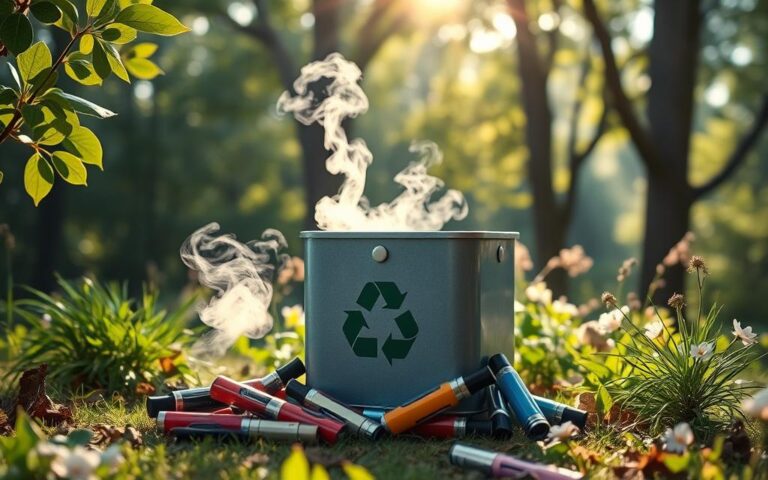
The rise in vaping makes it vital to dispose of disposables properly. These devices contain plastic, lithium-ion batteries, and chemicals, which are harmful. It’s crucial…
We use cookies on our website to give you the most relevant experience by remembering your preferences and repeat visits. By clicking “Accept”, you consent to the use of ALL the cookies.
This website uses cookies to improve your experience while you navigate through the website. Out of these cookies, the cookies that are categorized as necessary are stored on your browser as they are essential for the working of basic functionalities of the website. We also use third-party cookies that help us analyze and understand how you use this website. These cookies will be stored in your browser only with your consent. You also have the option to opt-out of these cookies. But opting out of some of these cookies may have an effect on your browsing experience.
Necessary cookies are absolutely essential for the website to function properly. This category only includes cookies that ensures basic functionalities and security features of the website. These cookies do not store any personal information.
Any cookies that may not be particularly necessary for the website to function and is used specifically to collect user personal data via analytics, ads, other embedded contents are termed as non-necessary cookies. It is mandatory to procure user consent prior to running these cookies on your website.
We use cookies to ensure that we give you the best experience on our website. If you continue to use this site we will assume that you are happy with it.