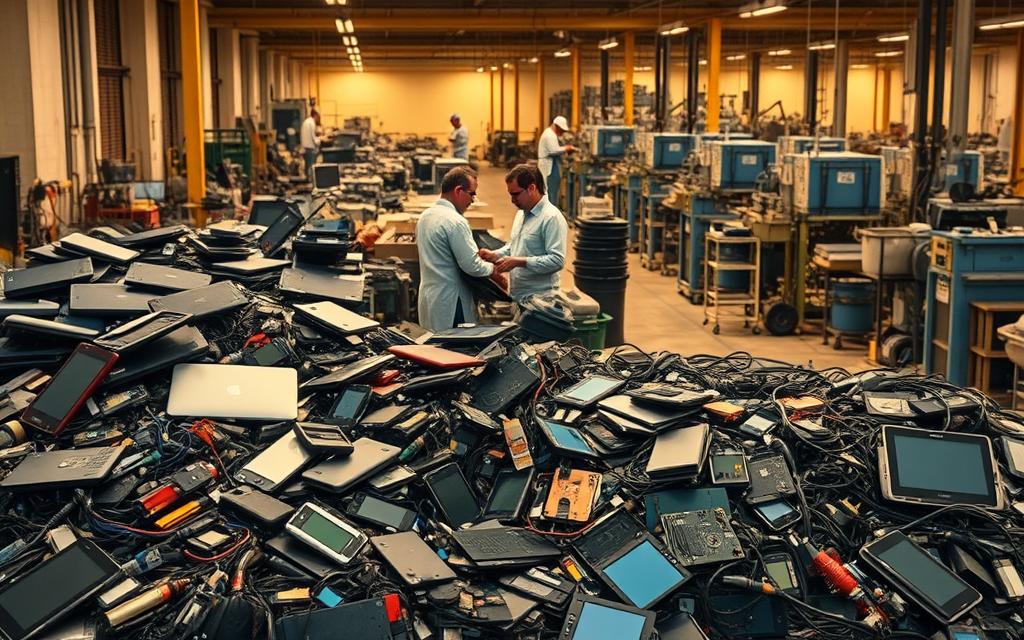
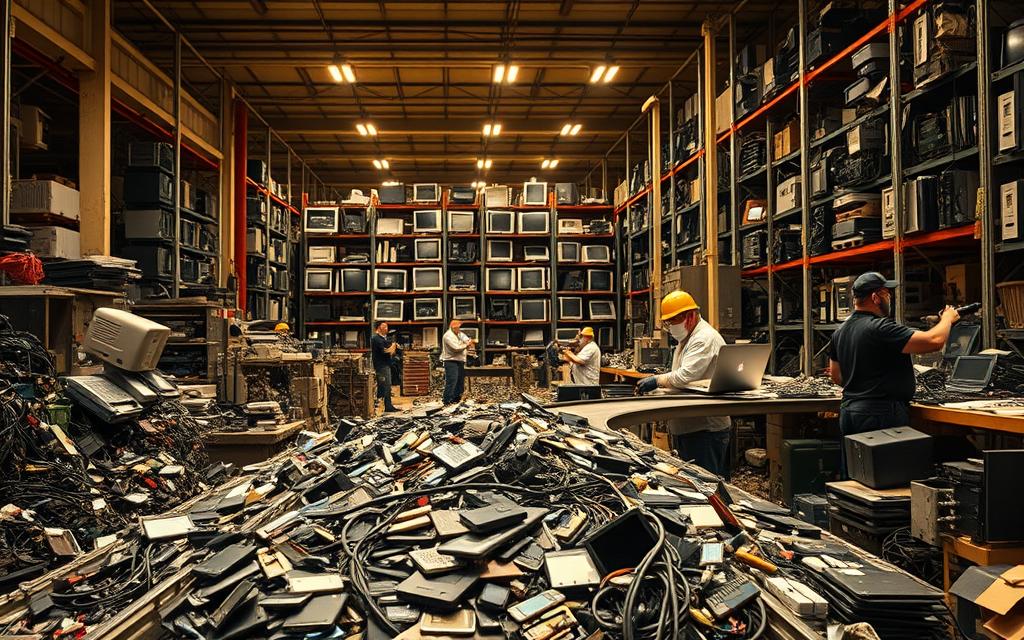
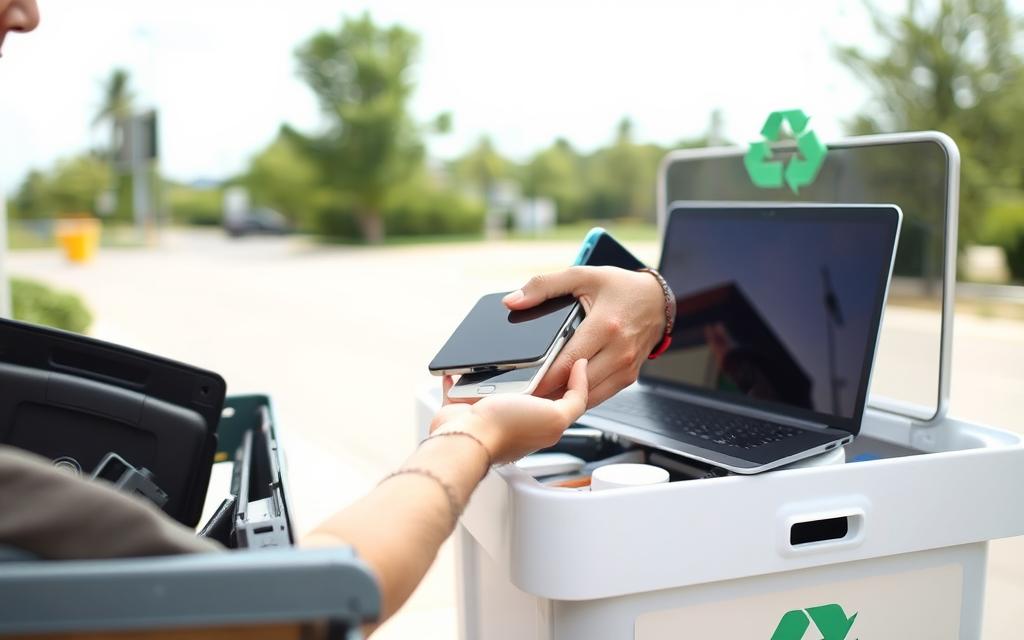
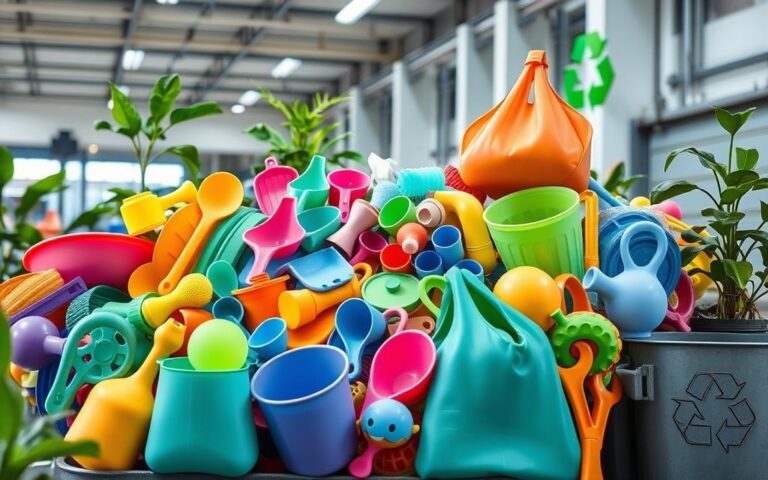
In today’s digital age, electronic waste (e-waste) has become a significant environmental concern. With millions of tons of e-waste generated worldwide each year, it’s crucial to adopt responsible recycling practices. This comprehensive guide will walk you through the process of recycling your unwanted electronic devices, from computers and mobile phones to home entertainment systems, in an environmentally friendly manner.
Recycling electronics not only helps conserve natural resources but also reduces energy consumption and prevents hazardous materials from polluting landfills. You can explore various local options for electronics disposal, including retail take-back programs, dedicated recycling centers, and special collection events. For more detailed information on recycling specific devices like phones and tablets, you can refer to our Ultimate Recycling Guide.
By making informed choices about electronics recycling, you can contribute to a more sustainable future. This guide aims to simplify the process, addressing important considerations like data security and the recycling process itself.
Electronics recycling plays a crucial role in mitigating environmental damage caused by hazardous e-waste. Electronic waste contains hazardous materials like lead, mercury, and cadmium that can leach into soil and water when improperly disposed of in landfills.
Many states, including Colorado, have enacted legislation prohibiting the disposal of electronics in regular trash, making recycling not just environmentally responsible but legally required. Recycling electronics recovers valuable materials, reducing the need for raw material extraction and processing.
Recycling electronics recovers valuable materials including gold, silver, copper, and rare earth elements.
The process consumes significantly less energy than extracting and processing raw materials.
E-waste is one of the fastest-growing waste streams globally.
Proper electronics recycling helps reduce greenhouse gas emissions associated with manufacturing new devices.
For more information on the importance of electronics recycling, visit IT Recycle UK to learn about common myths surrounding laptop recycling.
Find Electronics Recycling Centers Near Me
Locating a nearby electronics recycling center is crucial for responsible e-waste disposal. You can find electronics recycling centers through various channels, including retail store take-back programs and local recycling facilities.
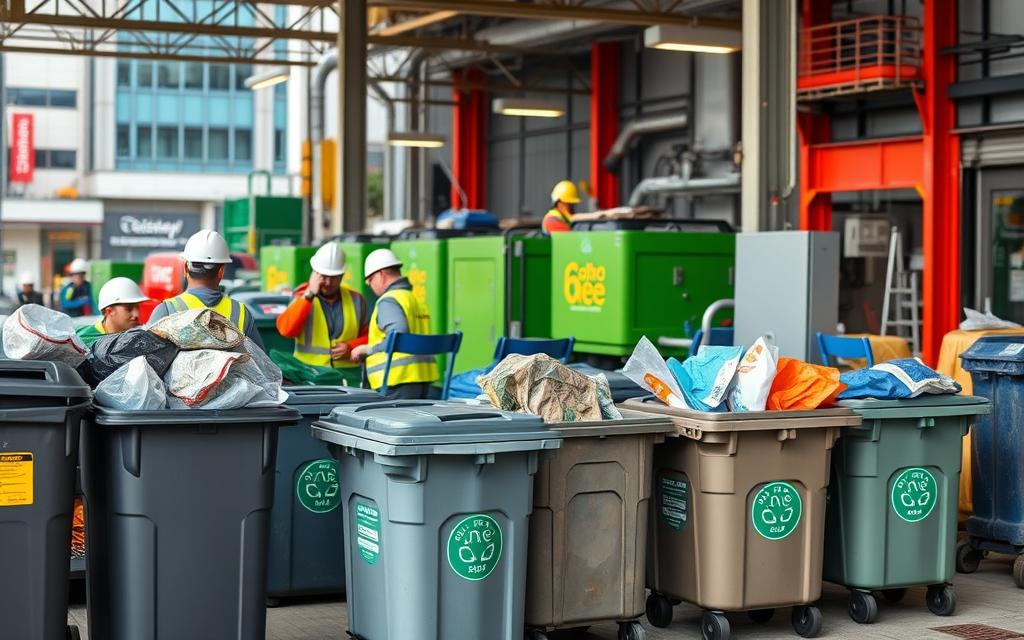
Many retail stores offer take-back programs for electronics, providing a convenient recycling option. These programs allow you to drop off your used electronics at the store, making it easy to recycle your devices.
Local Recycling Facilities
Local recycling facilities often accept a broader range of electronic items, including unusual or obsolete equipment. They may offer specialized services like secure hard drive destruction and provide certificates of recycling or destruction.
Municipal recycling centers often accept a broader range of electronic items.
Many counties operate dedicated e-waste collection facilities.
Local recycling facilities may offer special services like secure hard drive destruction.
Electronics Accepted for Recycling
Numerous electronic devices can be taken to recycling centers for environmentally friendly disposal. Electronics recycling centers accept a variety of electronic items, helping to reduce electronic waste.
Computers and Accessories
Many recycling centers accept computers, laptops, and their accessories, such as keyboards, mice, and monitors, for recycling. These items contain valuable materials that can be reclaimed and reused.
Mobile Devices
Mobile phones, including smartphones and feature phones, are widely accepted for recycling. These devices contain precious metals and other components that can be recycled.
Home Electronics
A range of home electronics are accepted, including televisions, stereos, speakers, gaming systems, and other entertainment equipment. “Recycling these items helps conserve natural resources and reduces landfill waste.” Examples include:
Television sets of all types, with older CRT models potentially incurring additional fees.
Audio equipment like stereos, receivers, amplifiers, and speakers.
Video equipment such as DVD/Blu-ray players, streaming devices, and gaming consoles.
Remote controls, digital clocks, and other small home electronics.
Home theater components, including projectors, sound bars, and surround sound systems.
Smart home devices like thermostats, doorbell cameras, and voice assistants.
It’s worth noting that some facilities may have special requirements for larger home electronics or may limit quantities per visit. As environmental sustainability becomes increasingly important, recycling electronics is a crucial step in reducing waste.
Items Not Accepted for E-Waste Recycling
Understanding what electronics cannot be recycled is crucial for proper disposal. Certain items are not accepted due to their materials, construction, or potential environmental hazards.
Appliances and Other Electrical Items
Some household items, such as lava lamps and certain personal hygiene items like electric toothbrushes and hair dryers, are typically not accepted for e-waste recycling. This is often due to mixed materials and hygiene concerns.
Special Handling Items
Items like VHS tapes, cassette tapes, and certain detectors containing radioactive materials require specialized disposal methods. Smoke detectors and carbon monoxide alarms, for instance, need careful handling due to their radioactive content. Additionally, items with mercury, such as some thermostats, and electronic toys with integrated batteries also pose recycling challenges.
For safe disposal, it’s essential to seek out specialized recycling services for these items. This ensures that hazardous materials are handled properly, minimizing environmental impact.
The Electronics Recycling Process
Electronics recycling is a multi-step process that prioritizes data security and environmental responsibility. This process ensures that electronic devices are disposed of in a manner that minimizes environmental impact while protecting sensitive information.
Drop-Off Procedures
When dropping off electronics for recycling, facilities typically follow a standard procedure. This involves accepting a wide range of electronic devices, from computers and mobile devices to home electronics, and ensuring they are handled appropriately.
Data Security Considerations
Data security is a critical concern when recycling electronics that may contain personal or confidential information. Many recycling facilities offer data destruction services, including shredding of hard drives and other storage devices to render data unrecoverable. Some facilities also provide certified data destruction documentation, which is particularly important for businesses with compliance requirements.
Understanding the costs associated with electronics recycling services is crucial for both individuals and businesses looking to dispose of their electronic waste responsibly. The costs can vary based on several factors, including the type of electronics being recycled and the level of service required.
Free Recycling Options
Some electronics recycling centers offer free recycling options for certain types of electronics. This can be a cost-effective way to recycle electronic waste.
Fee-Based Services
For more comprehensive recycling services, such as residential pickup, fees may apply. These fees can range from $20 to $100, depending on the volume of electronics and the location. For instance, a residential pick-up fee might be $59.99.
Other fee-based services include secure data destruction, business recycling programs, and premium recycling services with benefits like asset tracking and detailed reporting. Specialized handling for hazardous items may also incur additional charges.
Businesses can benefit from customized recycling programs that include single-stream recycling, secure shredding services, and full electronics recycling pickups. These services can help lower waste costs and increase recycling diversion.
Conclusion
Electronics recycling is not just about disposing of old devices; it’s about contributing to a sustainable future. With state and local regulations prohibiting disposal in regular trash, finding convenient recycling options is easier than ever. Consider both environmental impact and data security, especially for devices with hard drives.
Many free recycling options exist through manufacturer take-back programs and retailer initiatives. For businesses, establishing a relationship with a reputable electronics recycler can simplify compliance. Regular pickup services make recycling more convenient for homes and businesses alike.
FAQ
What types of electronic devices are accepted for recycling?
Most electronic waste recycling centers accept a wide range of devices, including computers, phones, tablets, and home electronics like TVs and hard drives. It’s best to check with the recycling center beforehand to confirm the types of devices they accept.
How do I ensure my personal data is secure when recycling my electronics?
To protect your personal data, make sure to shred or wipe your devices clean before recycling them. Many e-waste recycling centers also offer data destruction services to ensure your information is completely erased.
Are there any fees associated with recycling electronics?
Some recycling facilities may charge a fee for certain types of electronics, such as large appliances or special handling items. However, many centers offer free recycling options for common devices like cell phones and computers.
Can I schedule a pickup for my electronic waste?
Yes, some e-waste recycling companies offer pickup services for businesses and individuals. This can be a convenient option for those who have large quantities of electronic waste or are unable to transport their devices to a recycling center.
What happens to my electronics after I drop them off for recycling?
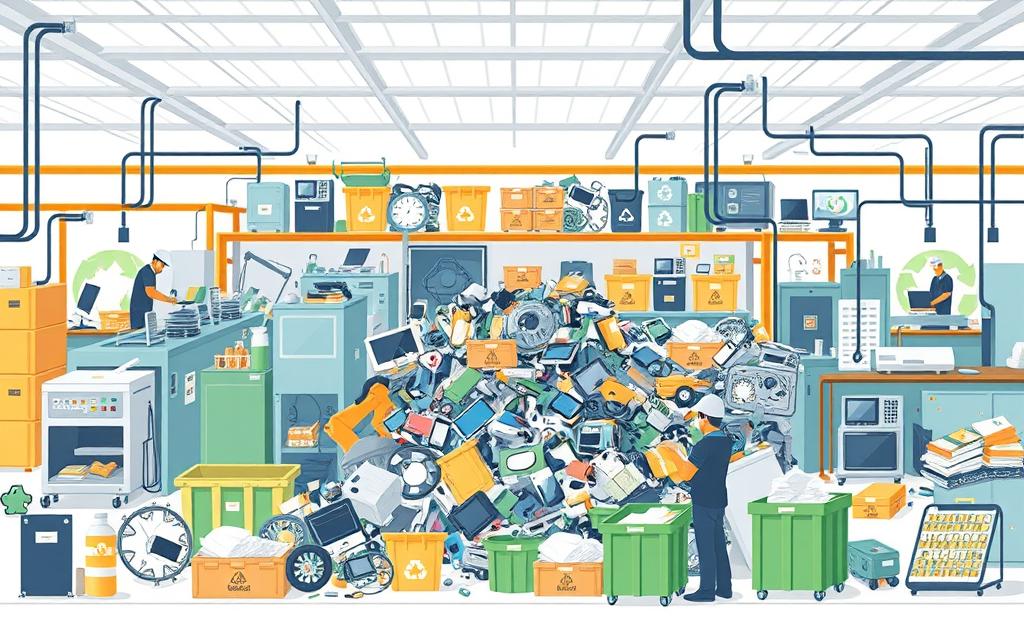
After you drop off your electronics, they are typically sorted and processed for recycling. This may involve disassembling devices, recovering valuable materials like metals and plastics, and responsibly disposing of hazardous components.
Can I recycle electronic waste at home?
While it’s possible to recycle some electronics at home, such as batteries and cables, it’s generally recommended to take your electronic waste to a reputable recycling center to ensure it’s handled and processed responsibly.
Styrofoam, or expanded polystyrene (EPS), is a common packaging material. It’s found in many things we use every day, like food containers and shipping materials….
The world of sustainable packaging is always changing. Now, polypropylene (PP) is in the spotlight. It’s a versatile plastic used a lot, known for being…
Polystyrene is a common plastic, with 15.6 million tons made every year. It’s used in food packaging, insulation, and as protective cushioning. Though it can…
With growing concern for the environment, people are searching for better waste management solutions, especially to combat plastic pollution. Every year, about 8+ million tons…
Nowadays, people are paying more attention to how their actions affect the planet. This includes thinking about whether photographs can be recycled or not. It’s…
We use cookies on our website to give you the most relevant experience by remembering your preferences and repeat visits. By clicking “Accept”, you consent to the use of ALL the cookies.
This website uses cookies to improve your experience while you navigate through the website. Out of these cookies, the cookies that are categorized as necessary are stored on your browser as they are essential for the working of basic functionalities of the website. We also use third-party cookies that help us analyze and understand how you use this website. These cookies will be stored in your browser only with your consent. You also have the option to opt-out of these cookies. But opting out of some of these cookies may have an effect on your browsing experience.
Necessary cookies are absolutely essential for the website to function properly. This category only includes cookies that ensures basic functionalities and security features of the website. These cookies do not store any personal information.
Any cookies that may not be particularly necessary for the website to function and is used specifically to collect user personal data via analytics, ads, other embedded contents are termed as non-necessary cookies. It is mandatory to procure user consent prior to running these cookies on your website.
We use cookies to ensure that we give you the best experience on our website. If you continue to use this site we will assume that you are happy with it.