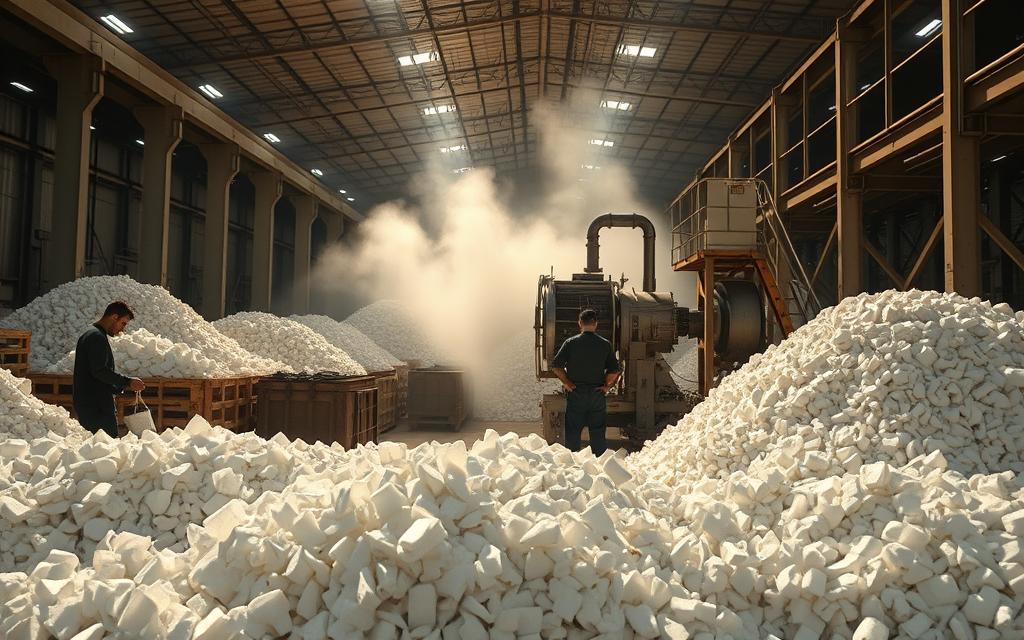
The term “Styrofoam” is often misused to describe a wide range of plastic products, from coffee cups to packaging material. However, technically, Styrofoam is a specific brand of expanded polystyrene foam made by DuPont, primarily used in construction as an insulation filler.
In reality, many of the foam products we encounter daily, such as egg cartons, meat trays, and packaging inserts, are actually EPS (Expanded Polystyrene). The confusion around styrofoamrecycling creates significant challenges for consumers trying to dispose of this common material responsibly.
This comprehensive guide will explore the environmental impact of polystyrene and the complex truth about its recycling. We’ll examine why most recycling programs reject it and provide practical solutions for responsible disposal.
Styrofoam, a specific brand of extruded polystyrene foam, is often confused with a broader category of materials known as expanded polystyrene (EPS). Technically, Styrofoam is a trademarked brand name owned by Dow Chemical Company, referring specifically to extruded polystyrene foam used primarily for building insulation.
However, what most people commonly call “Styrofoam” is actually expanded polystyrene (EPS), a lightweight, rigid foam material made from polystyrene beads that have been expanded using steam and pressure. The distinction between Styrofoam and EPS is crucial for understanding their recycling capabilities, as they have different chemical compositions and manufacturing processes.
The Difference Between Styrofoam and Expanded Polystyrene (EPS)
The primary difference between Styrofoam and EPS lies in their manufacturing processes and chemical compositions. While Styrofoam is made through an extrusion process, EPS is created by expanding polystyrene beads. This difference affects their properties and applications.
Common Uses of Styrofoam in Everyday Life
EPS, commonly referred to as Styrofoam, is widely used in various applications, including food service (cups, plates, takeout containers), packaging (protective inserts for electronics, appliances), shipping materials (coolers for temperature-sensitive items), and building insulation. Its popularity stems from its lightweight nature, excellent insulation properties, water resistance, and low production cost.
The Environmental Impact of Styrofoam
Understanding the environmental footprint of Styrofoam is crucial, as it poses significant threats to our planet. The material’s lightweight nature belies its substantial environmental impact, from pollution to harm to wildlife.
How Styrofoam Affects Our Ecosystems
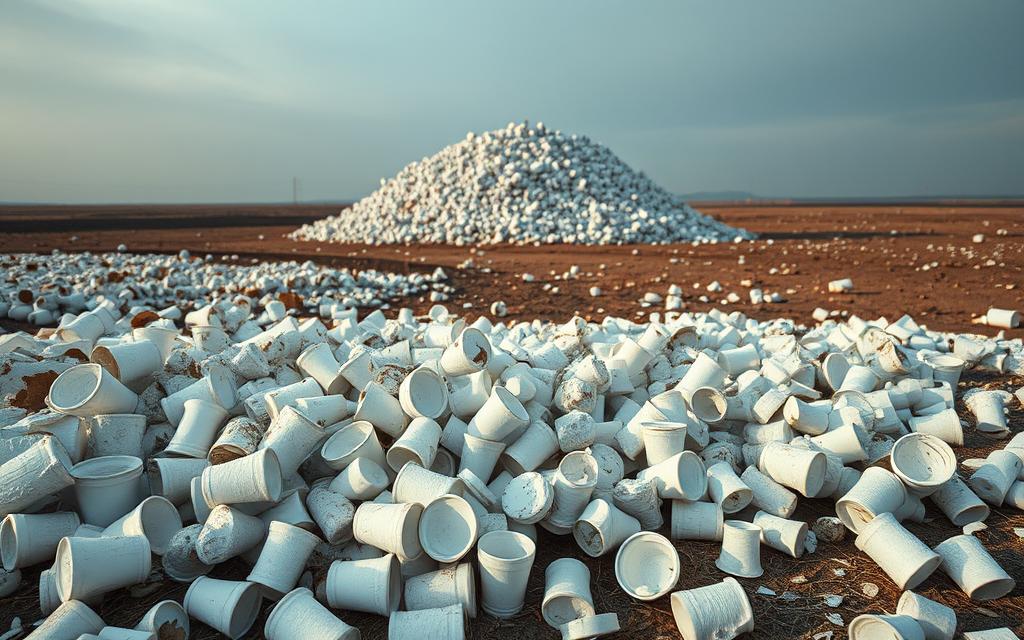
Styrofoam, or EPS (Expanded Polystyrene), presents significant environmental challenges due to its persistence in ecosystems and resistance to natural degradation processes. When EPS enters aquatic environments, it breaks down into microplastics that can be ingested by marine life.
Causes physical blockages and false feelings of fullness in marine organisms.
Potential toxicity as chemicals leach into organisms.
Breakdown Timeline: How Long Does Styrofoam Last?
Scientists estimate that EPS may take at least 500 years to break down in landfills, if it degrades at all. This means virtually all EPS ever produced still exists in some form on our planet, contributing to increased waste and pollution.
Contribution to Climate Change and Pollution
The production of EPS is energy-intensive and relies on petroleum, a non-renewable resource. For more information on the recyclability of polystyrene, visit the provided link.
Contributes to fossil fuel depletion and greenhouse gas emissions.
Releases compounds that contribute to air pollution, including volatile organic compounds (VOCs).
Is Styrofoam Recyclable? The Complicated Truth
While Styrofoam is technically recyclable, the process is fraught with difficulties that limit its widespread adoption. The recyclability of Styrofoam, or expanded polystyrene (EPS), is a complex issue that involves technical, economic, and environmental factors.
The Technical Process of Recycling Styrofoam
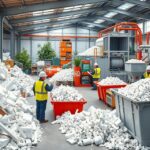
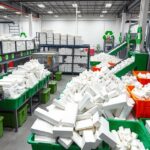
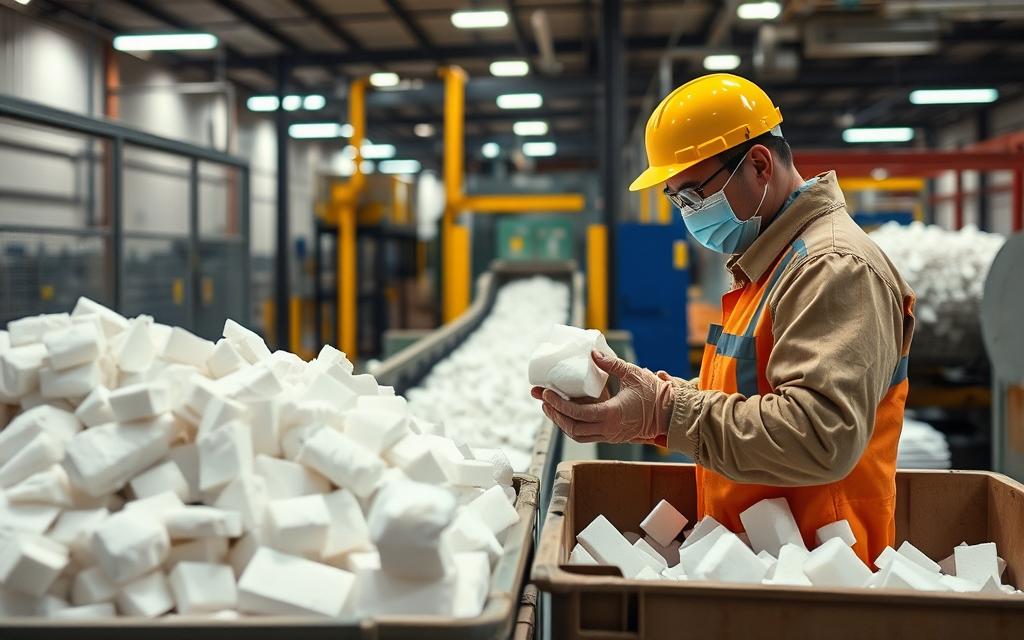
The technical process of recycling EPS involves several steps: collection, cleaning, densification (reducing volume by up to 90%), and reprocessing into pellets that can be manufactured into new plastic products.
Collected EPS is cleaned to remove contaminants.
Densification reduces the volume, making transportation more efficient.
The material is then melted down into a paste and turned into pellets.
These pellets can be used to manufacture new products like picture frames and office supplies.
Why Most Recycling Programs Don’t Accept Styrofoam
Despite the technical feasibility of recycling EPS, most curbside recycling programs reject Styrofoam due to its low density-to-weight ratio, making transportation economically unfeasible. Contamination, often caused by food residue, is another significant challenge.
New Developments in Styrofoam Recycling Technology
Emerging technologies, such as chemical recycling and solvent-based recycling methods, are promising to improve the recyclability of EPS. Chemical recycling can break down polystyrene at the molecular level, potentially accepting even contaminated EPS.
Chemical recycling breaks down EPS to its original monomer form.
Solvent-based methods dissolve EPS in environmentally-friendly solvents.
Advanced thermal compression technologies are being implemented in specialized facilities.
These advancements could potentially increase the recycling rate of EPS and reduce its environmental impact.
How to Properly Dispose of Styrofoam
Understanding how to dispose of Styrofoam correctly is key to minimizing its ecological footprint. The process involves several steps and varies significantly depending on your location and the type of EPS (Expanded Polystyrene) you are dealing with.
Checking Your Local Recycling Guidelines
Before attempting to recycle Styrofoam, it’s crucial to check with your local recycling facility or waste management department to confirm whether they accept any forms of EPS. This can typically be done through their website or by contacting their customer service line.
Specialized Drop-Off Centers and Mail-Back Programs
Many communities offer specialized drop-off locations for EPS that cannot be included in regular curbside recycling. National programs like the Alliance of Foam Packaging Recyclers (AFPR) provide mail-back options for clean EPS packaging. For packing peanuts, the Plastic Loose Fill Council maintains a directory of drop-off locations and operates a “Peanut Hotline” at (800)828-2214.
Creative Reuse Ideas for Styrofoam Packaging
Creative reuse of EPS at home can extend its life before disposal. Clean Styrofoam can be repurposed for craft projects, garden drainage, insulation for plant pots, or as filler for bean bags and stuffed items. This approach not only reduces waste but also gives Styrofoam a new life.
Eco-Friendly Alternatives to Styrofoam
The growing concern over Styrofoam’s environmental impact has sparked a wave of innovation in eco-friendly packaging alternatives. As consumers and businesses alike look for sustainable options, the market is responding with a variety of biodegradable and reusable products.
Avoiding single-use items is a crucial step towards reducing our reliance on polystyrene. Using reusable containers, plates, and cups can significantly decrease the need for polystyrene products. Reusing foam packaging materials, such as packing peanuts, is also a viable option for reducing waste.
Biodegradable Packaging Options
Biodegradable packaging made from agricultural waste products like sugarcane bagasse, wheat straw, and bamboo fibers offers similar insulation and protection properties as Styrofoam but decomposes naturally within months. Companies are also exploring the use of mushroom packaging, known as mycelium composite, which is completely compostable and requires less energy to produce.
Reusable Alternatives for Food Containers and Cups
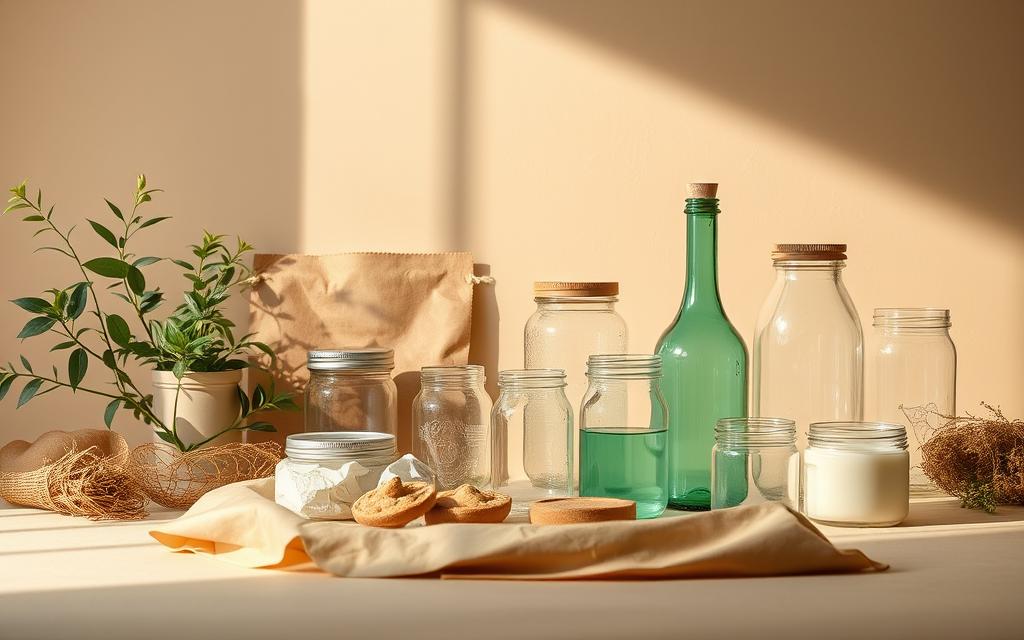
Reusable alternatives such as silicone food containers, stainless steel lunch boxes, and glass storage containers eliminate single-use waste entirely. The coffee industry has seen significant innovation with reusable cups made from bamboo fibers, recycled plastic, and even coffee grounds, providing consumers with practical options to avoid disposable cups.
Sustainable Packaging Materials on the Rise
Emerging technologies in packaging include seaweed-based materials and reclaimed paper products treated with natural waxes. Major companies are adopting these sustainable packaging solutions in response to consumer demand and environmental regulations, driving market momentum for continued innovation.
Material
Biodegradable
Reusable
Source
Sugarcane Bagasse
Yes
No
Agricultural Waste
Mushroom Packaging
Yes
No
Mycelium Composite
Silicone Containers
No
Yes
Synthetic Material
Bamboo Fiber Cups
Yes
Yes
Bamboo
When evaluating these alternatives, consumers should consider the full lifecycle impact, including production energy, transportation weight, disposal options, and potential for reuse. By choosing sustainable packaging materials and practices, we can reduce the environmental impact associated with traditional Styrofoam products.
Conclusion: Making Informed Choices About Styrofoam
As we’ve explored, the recyclability of Styrofoam is multifaceted, involving technical, environmental, and community aspects. Understanding the complete lifecycle of Styrofoam products empowers consumers to make environmentally responsible decisions. While technically recyclable, the practical limitations mean that reduction and alternative materials should be prioritized whenever possible.
To effectively manage Styrofoam waste, it’s crucial to check with your local recycling program to see if they accept expanded polystyrene foam. Consumers can drive change by making informed purchasing decisions, and businesses can lead by implementing Styrofoam-free policies. As recycling technology evolves, staying informed and supporting systemic changes in waste management will be key to reducing plastic waste and pollution.
FAQ
What is Expanded Polystyrene (EPS)?
Expanded Polystyrene (EPS) is a type of plastic material used to manufacture foam packaging, including packing peanuts and insulation. It is lightweight, yet provides excellent protection for fragile items during shipping.
Can I recycle foam packaging at home?
While some communities have specialized collection programs for foam packaging, it is not typically accepted in curbside recycling programs. Check with your local recycling program to see if they have a drop-off location or special collection events.
What are some eco-friendly alternatives to foam packaging?
Biodegradable packaging materials, such as mushroom-based packaging and plant-based foam alternatives, are becoming increasingly popular. Reusable containers and bags are also a sustainable option for reducing waste.
How can I dispose of packing peanuts responsibly?
Packing peanuts can be reused or recycled through specialized programs. Some companies, like UPS, have designated drop-off locations for packing peanuts. You can also repurpose them for craft projects or reuse them for packaging.
Are there any new developments in recycling EPS?
Yes, new technologies are emerging that can break down EPS into its raw materials, making it possible to create new products from recycled EPS. Some companies are also developing machines that can densify EPS, making it easier to transport and recycle.
Can EPS be used to make new products?
Yes, recycled EPS can be used to manufacture a variety of products, including insulation, picture frames, and even new packaging materials. Using recycled EPS reduces the need for virgin materials and helps to conserve energy.
How can I check if my local recycling program accepts EPS?
Contact your local waste management agency or check their website to see if they have a list of accepted materials. You can also search online for EPS recycling programs in your area.
Electronic waste, or e-waste, is the fastest growing form of domestic waste globally. In 2019, around 50 million metric tonnes of e-waste were produced, with…
Recycling laptops is key to cutting down e-waste and saving resources. Recycling one million laptops can power 3,500 U.S. homes for a year. Laptops have…
Recycling books helps cut down on landfill waste. It supports sustainability. With our growing awareness of environmental care, finding recycling spots for books is crucial….
We use cookies on our website to give you the most relevant experience by remembering your preferences and repeat visits. By clicking “Accept”, you consent to the use of ALL the cookies.
This website uses cookies to improve your experience while you navigate through the website. Out of these cookies, the cookies that are categorized as necessary are stored on your browser as they are essential for the working of basic functionalities of the website. We also use third-party cookies that help us analyze and understand how you use this website. These cookies will be stored in your browser only with your consent. You also have the option to opt-out of these cookies. But opting out of some of these cookies may have an effect on your browsing experience.
Necessary cookies are absolutely essential for the website to function properly. This category only includes cookies that ensures basic functionalities and security features of the website. These cookies do not store any personal information.
Any cookies that may not be particularly necessary for the website to function and is used specifically to collect user personal data via analytics, ads, other embedded contents are termed as non-necessary cookies. It is mandatory to procure user consent prior to running these cookies on your website.
We use cookies to ensure that we give you the best experience on our website. If you continue to use this site we will assume that you are happy with it.