The Surprising Second Lives of Old Computers
Old computers from the 1980s and 1990s, like the Macintosh SE, may seem outdated and obsolete by today’s standards. However, these machines played a significant…
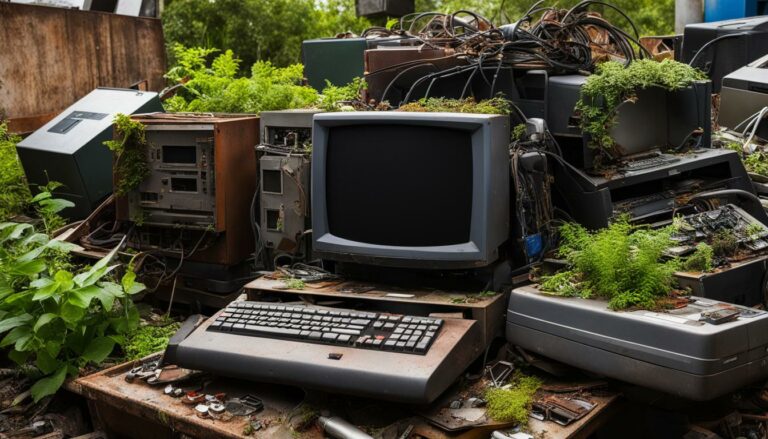
Old computers from the 1980s and 1990s, like the Macintosh SE, may seem outdated and obsolete by today’s standards. However, these machines played a significant…
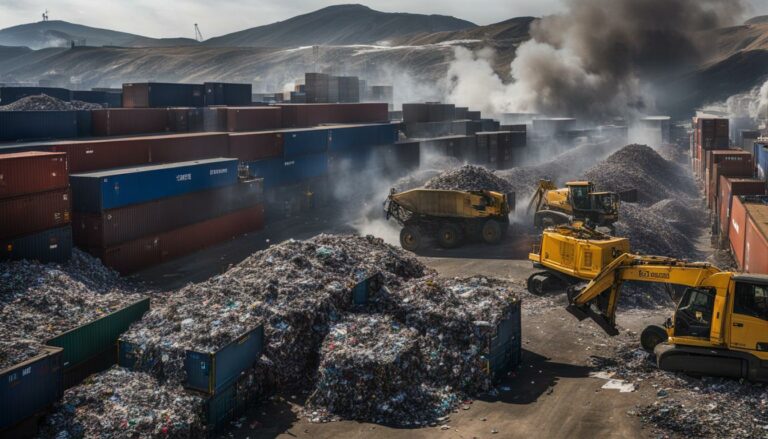
Electronic waste disposal is a pressing issue in today’s technology-driven world. As the reliance on IT equipment grows, so does the need for sustainable IT…
The COVID-19 pandemic has brought about changes in various fields, including the digital industry. The development of information and communication technology has accelerated the digitisation…
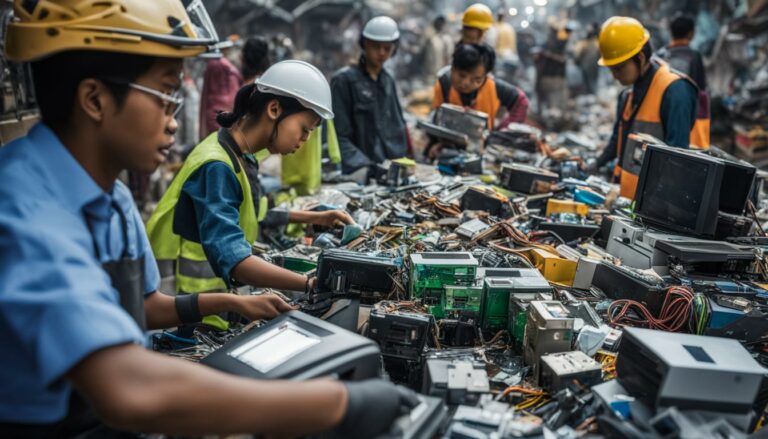
E-waste is a growing environmental and social concern, with the global generation expected to increase annually. Improper e-waste management leads to harmful effects on the…
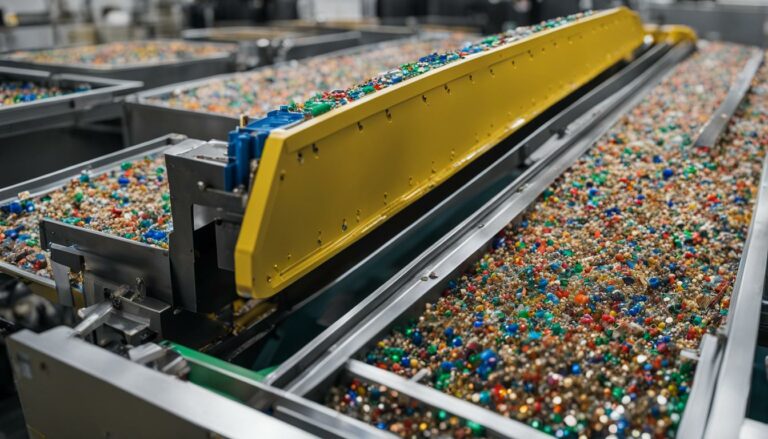
Safe and sustainable disposal of End-of-Life (EOL) electronic waste is a major concern due to its hazardous and toxic constituents. Recycling and recovering valuable and…
When choosing an IT recycling vendor to handle your end-of-life technology devices, it is important to consider their certifications. These certifications ensure responsible disposal, data…
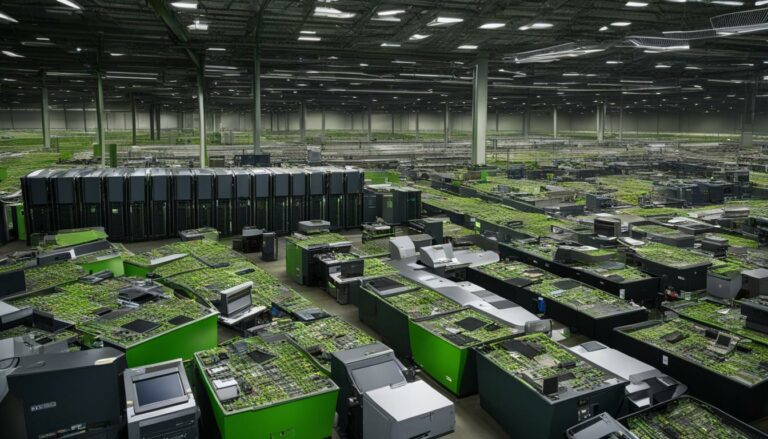
IT recycling encompasses a wide range of electronic waste disposal and technology recycling services. From old desktops to redundant data centres, responsible IT asset disposal…
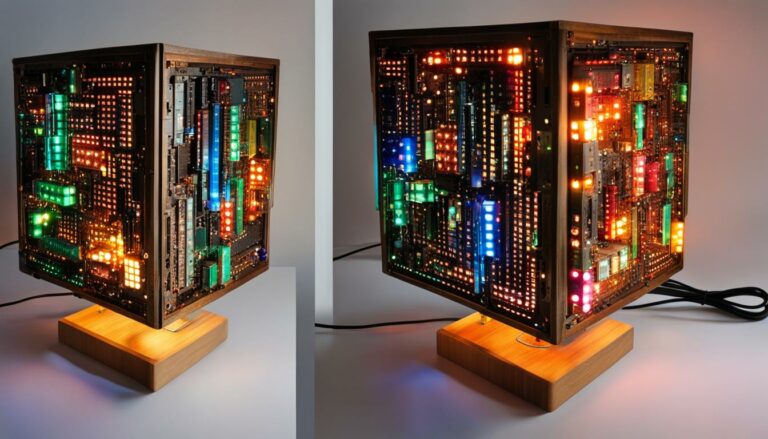
Recycling and upcycling are two different approaches to managing IT equipment waste. Recycling involves breaking down the components of a product to be used as…

According to a survey by the Royal Society of Chemistry, there are 40 million unused gadgets in UK homes, with 45% of people hoarding up…

The utilization of plastic materials has led to significant plastic waste accumulation, with 86% of plastic ending up in landfills. The challenges in plastic recycling…
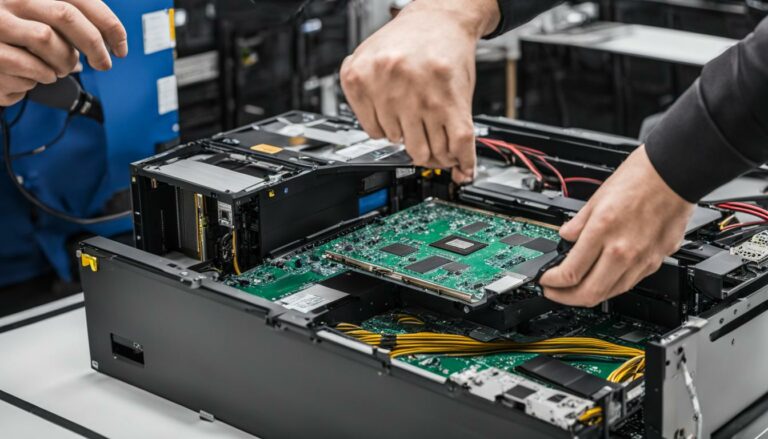
Server decommissioning is an essential process for organisations to responsibly dispose of servers and protect their data. Operators have several options when it comes to…

Zero waste is a process and a philosophy that involves redesigning products and consumption so that all material goods can be reused or recycled. It…
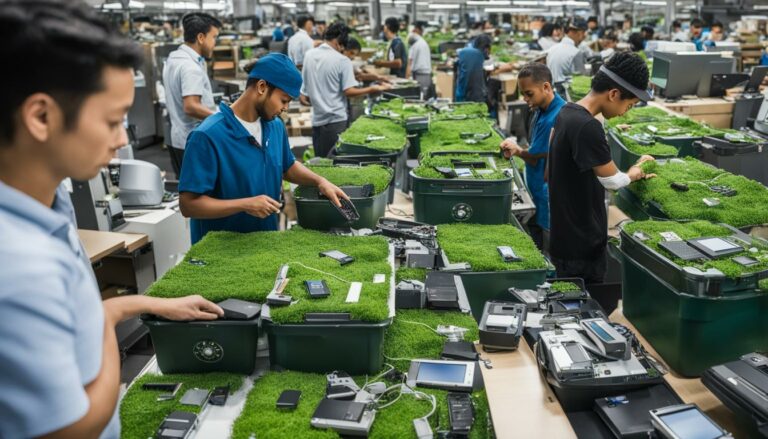
With the increasing awareness of the environmental impact of electronic waste, many entrepreneurs in the United Kingdom are building innovative businesses centred around IT recycling….
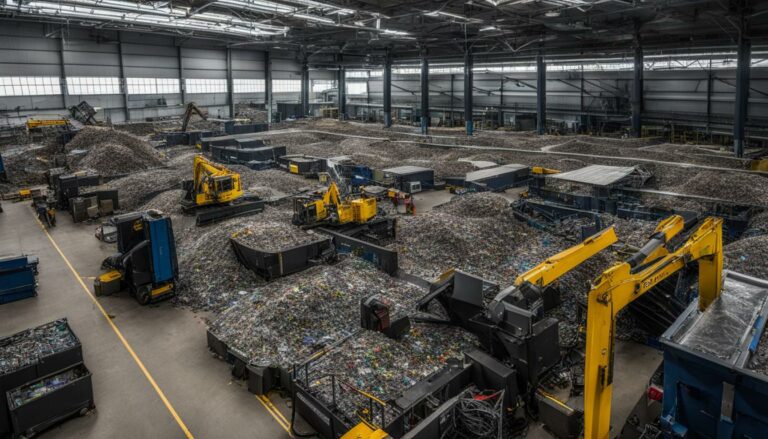
Recycling electronic waste, or e-waste, is a complex process that presents numerous challenges. One of the main obstacles is the sheer volume of e-waste being…

Recycling in schools can have a significant positive impact on the environment and on students’ learning experiences. According to Recycle Now, the average primary school…

Electronic waste, or e-waste, is the fastest growing form of domestic waste globally. In 2019, around 50 million metric tonnes of e-waste were produced, with…
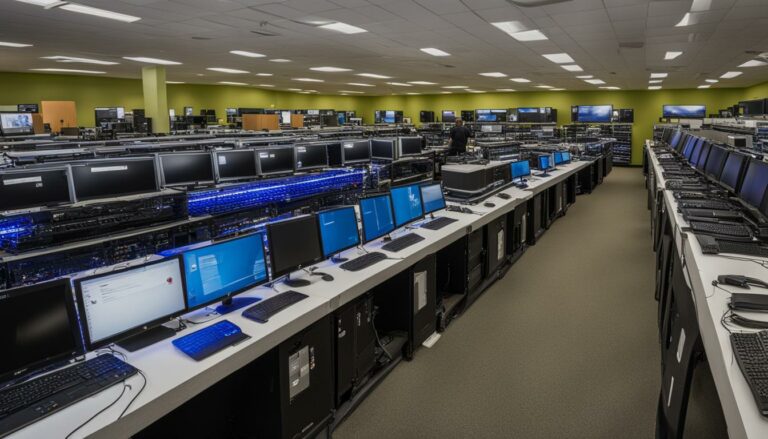
The demand for IT hardware is increasing as businesses rely more on technology. However, purchasing new equipment can be costly, making it difficult for many…

Do you have old electronic devices lying around your house? Instead of throwing them in the trash, consider recycling them at your local IT recycling…

Network equipment decommissioning is a crucial process that involves removing servers and other hardware from an organisation’s infrastructure. This process is important for maintaining security,…
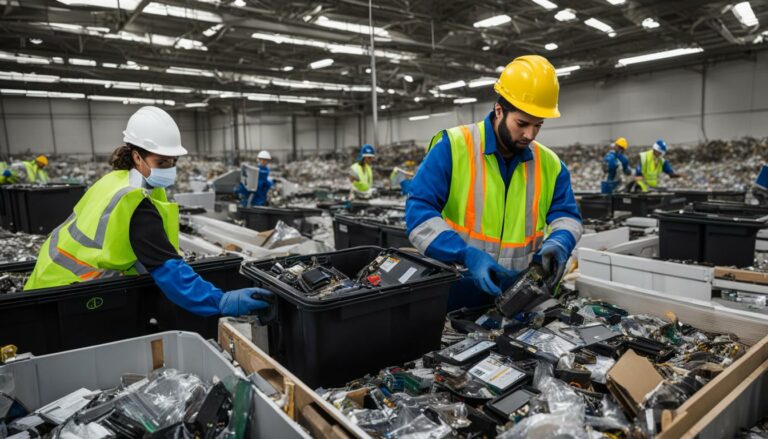
Electronic waste (e-waste) has become a pressing environmental issue, contributing to pollution and health risks. The improper disposal of e-waste in developing countries has led…

In today’s digitally-driven world, Data Security in IT Recycling are more relevant than ever. As the lifecycle of electronic devices such as computers, smartphones, and…