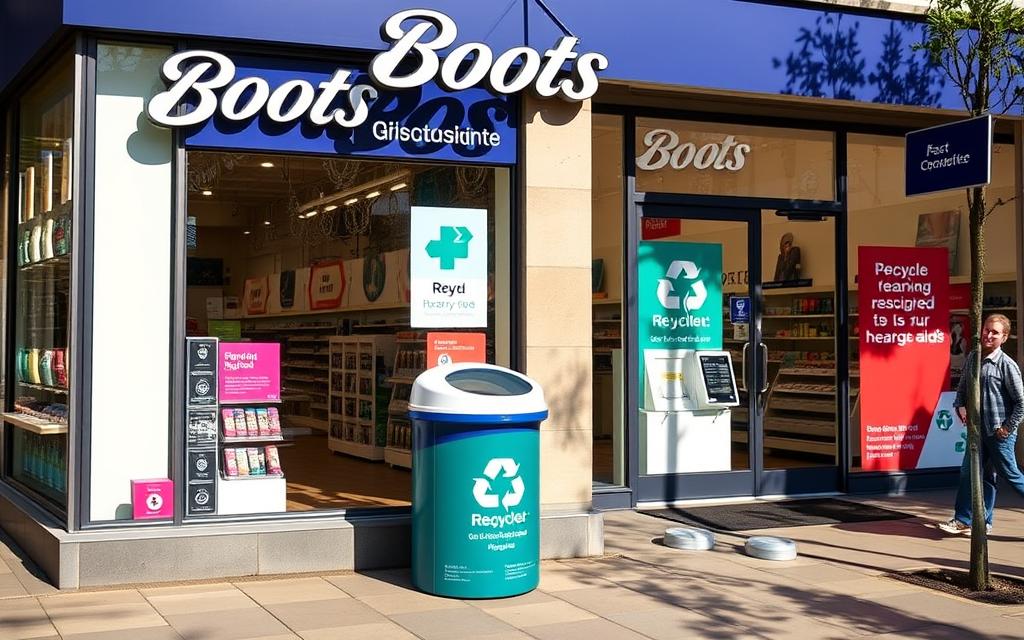
Recycling hearing aids is an environmentally friendly way to dispose of outdated or unused devices. Boots offers a comprehensive hearing aid recycling program, allowing customers to responsibly recycle their devices.
This program accepts all types and brands of aids, regardless of where they were originally purchased. By recycling hearing aids through Boots, customers contribute to reducing electronic waste in landfills and support environmental sustainability.
The recycled devices may be refurbished and provided to individuals in need who cannot afford new aid devices. Boots’ commitment to comprehensive services includes providing valuable information about their recycling program.
As a leading provider of hearing care services, Boots has established a comprehensive recycling program for hearing aids. This initiative underscores the company’s commitment to sustainability and reducing electronic waste.
How the Program Started
The Boots Hearing Aid Recycling Program was launched as part of the company’s broader commitment to corporate social responsibility and sustainable practices. Initially known as David Ormerod Hearing Centres with around 400 stores nationwide, Boots Hearingcare has evolved significantly over the years.
Originally, the company offered home visits but now focuses on in-store appointments. Despite this shift, the core mission of providing quality hearing aid services has remained unchanged.
Program Evolution and Growth
The program began as a small initiative and has grown to become one of the UK’s most accessible hearing aid recycling services.
Initially focused only on Boots-purchased devices, the program now accepts all brands and models of hearing aids regardless of where they were purchased.
The recycling program works in conjunction with Boots’ comprehensive hearing care services, offering customers a complete lifecycle solution for their hearing devices.
Understanding the program’s structure helps customers make informed decisions about recycling their old hearing aids rather than discarding them.
Boots has integrated the recycling program into their overall hearing care strategy, making it convenient for customers to recycle devices when upgrading or no longer needing their hearing aids.
The program has evolved to include educational information about the importance of recycling electronic devices and the specific impact of hearing aid waste.
Boots’ commitment to hearing health extends beyond sales to ensuring devices have the longest possible life through proper recycling and refurbishment.
By providing a convenient and responsible way to recycle hearing aids, Boots continues to demonstrate its dedication to both its customers and the environment.
Why Recycling Hearing Aids Matters
Recycling hearing aids is a crucial step towards reducing electronic waste and promoting sustainability. Nearly all UK hearing aids end up in landfills, which is particularly concerning given the valuable materials they contain, such as metals, plastics, and electronic components.
Environmental Benefits
The environmental benefits of recycling hearing aids are substantial. By recovering and reusing the materials from these devices, we can significantly reduce the need for raw material extraction and processing. This not only conserves energy but also reduces pollution. As nearly all UK hearing aids end up in landfill, recycling can make a significant difference.
Hearing aids contain valuable materials that can be recovered and reused.
Recycling reduces the need for raw material extraction and processing.
The environmental impact of manufacturing new hearing aids is substantial.
Social Responsibility Aspects
Recycling hearing aids also has significant social responsibility aspects. Many hearing aids that are discarded still have useful life remaining and can be refurbished to help others. By participating in Boots’ recycling program, customers contribute to a circular economy. For more information on the recycling process, you can visit our FAQs page.
“Recycling hearing aids is not just about reducing waste; it’s about giving these life-changing devices a second life.”
The Environmental Impact of Hearing Aid Waste
The disposal of hearing aids poses a significant environmental threat due to their complex composition. Every year, around 1.5 million hearing aids are dispensed in the UK, with many being thrown away unused or after their useful life.
Hearing aids contain various electronic components, including microphones, amplifiers, receivers, and batteries. When improperly disposed of, these components can leach harmful substances into soil and water, posing a significant environmental risk.
Electronic Components and Materials
The materials used in hearing aids are diverse and include plastics, metals, and electronic components. The plastics used in hearing aid cases can take hundreds of years to decompose in landfills, contributing to long-term environmental pollution.
Many hearing aids contain precious metals like gold, silver, and palladium, which are valuable resources that should be recovered.
The manufacturing process for new hearing aids has a significant carbon footprint that can be reduced through effective recycling and reuse programs.
Boots makes sure that recycled hearing aids are properly processed to minimize environmental impact and maximize resource recovery.
Landfill Consequences
When hearing aids end up in landfills, the consequences can be severe. The small size of hearing aids means they often get mixed with regular household waste, where their environmental impact is multiplied by improper disposal methods.
Environmental Impact
Consequences
Recycling Benefits
Improper disposal of hearing aids
Harmful substances leaching into soil and water
Safe disposal of hazardous materials
Plastics decomposition
Long-term environmental pollution
Reduction in landfill waste
Precious metal waste
Loss of valuable resources
Recovery of precious metals
Proper recycling of hearing aids ensures that potentially harmful components are safely handled and disposed of, reducing the environmental footprint of these devices. By recycling hearing aids, we can recover valuable materials, reduce waste, and minimize the environmental impact associated with the manufacturing of new devices.
With Boots, recycling your hearing aids is easier than ever, thanks to their efficient recycling process. The company has established a streamlined collection process that makes it convenient for customers to participate from home or in-store.
Collection Process
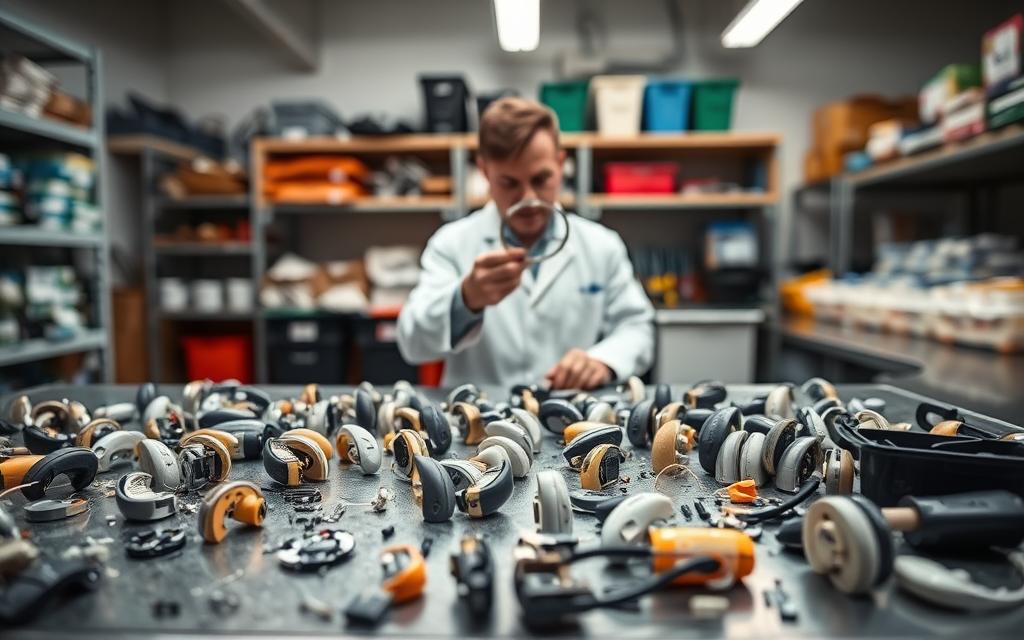
When you bring your hearing aids to a Boots location, trained staff ensure they are properly collected and stored for processing. The recycling process begins with a thorough assessment of each hearing aid to determine whether it can be refurbished or needs to be dismantled for component recycling.
Boots works with specialized recycling partners who have the expertise to properly handle the complex electronic components in hearing aids. This ensures that all materials are recycled or reused in an environmentally responsible manner.
Processing and Distribution
Hearing aids that are suitable for reuse undergo a rigorous cleaning and sterilization process to make sure they meet health and safety standards. The company maintains a detailed tracking system to monitor the journey of recycled hearing aids from collection to final disposition.
Boots provides customers with information about what happens to their donated hearing aids, creating transparency in the recycling process. The recycling program operates year-round, allowing customers to drop off their unused hearing aids at any time during regular business hours.
For those unable to visit a store, Boots offers alternative options such as mail-in recycling, making the service accessible to more people from the comfort of their home. The entire process is designed to be as efficient as possible, minimizing the time between collection and repurposing or recycling.
By following this process, Boots ensures that hearing aids are recycled in a way that benefits both the environment and the community. Customers can feel confident that their donated hearing aids will be put to good use, supporting a more sustainable future.
Types of Hearing Aids Accepted for Recycling
Boots accepts a wide range of hearing aids for recycling, making it easy to dispose of old devices responsibly. This comprehensive program ensures that various types of hearing aids are handled in an environmentally friendly manner.
Behind-the-Ear Models
Behind-the-ear (BTE) hearing aids are among the most common types accepted for recycling. These devices are typically easier to refurbish and reprogram for new users. Nearly all BTE hearing aids can be very simply reprogrammed for a next user, making them a valuable part of the recycling program.
In-the-Ear Varieties
In-the-ear (ITE) hearing aids, including completely-in-canal (CIC) and invisible-in-canal (IIC) devices, are also accepted. Although these custom-fitted devices cannot be reused due to their personalized nature, their components can be carefully extracted for recycling. Receiver-in-canal (RIC) hearing aids are particularly valuable for recycling due to their modular design.
Type of Hearing Aid
Recyclable Components
Refurbishment Potential
Behind-the-Ear (BTE)
Electronic components, batteries
High
In-the-Ear (ITE)
Metal parts, circuits
Low
Receiver-in-Canal (RIC)
Modular components
Medium
Boots’ recycling program is not limited to specific brands or types of hearing aids. Both NHS-provided and privately purchased devices are accepted, including those that are damaged or non-functional. By recycling your old hearing aids, you contribute to reducing electronic waste and support the reuse of valuable components.
How to Prepare Your Hearing Aids for Recycling
Before recycling your hearing aids at Boots, it’s crucial to prepare them properly to ensure they can be refurbished or recycled effectively. Proper preparation not only aids in the recycling process but also helps in maintaining hygiene and reducing potential environmental impacts.
Cleaning and Sanitizing
To prepare your hearing aids for recycling, start by cleaning them thoroughly. Most devices have an easy-to-change filter by the receiver, which can be replaced by purchasing new ones from your provider or online for private hearing aids. For NHS appliances, you can visit your local hearing centre for assistance.
Remove Ear Wax and Debris: Use a soft brush or cloth to gently remove any ear wax or debris accumulated on the hearing aids.
Sanitize External Surfaces: Consider using alcohol wipes to sanitize the external surfaces of your hearing aids for hygiene purposes.
Remove Batteries: Take out the batteries, as they often need to be recycled separately due to their chemical composition.
Reset Digital Hearing Aids: If your hearing aids have memory functions, consider resetting them to remove personal settings or data.
Removing Personal Data
For digital hearing aids, it’s essential to remove any personal data to protect your privacy. Check your device’s manual or consult with Boots staff if you’re unsure about how to reset your specific model.
Preparation Step
Description
Cleaning
Remove ear wax and debris using a soft brush or cloth.
Sanitizing
Use alcohol wipes on external surfaces.
Battery Removal
Take out batteries for separate recycling.
Make sure to include any accessories like cases, cleaning tools, and unused batteries, as these can often be recycled or repurposed. If your hearing aids have removable ear molds or domes, detach and clean them thoroughly. Including documentation or warranty information can also aid in the assessment and potential refurbishment process.
By following these steps, you can significantly increase the likelihood that your hearing aids can be refurbished rather than dismantled for parts, making the recycling process more efficient and environmentally friendly.
Recycling your hearing aids is easy with Boots’ extensive network of locations. Boots offers hearing aid recycling at most of their hearing care locations throughout the UK, making it convenient to find a drop-off point near your home.
Finding Your Nearest Drop-off Point
The company’s website features a store locator tool that allows customers to easily find the nearest Boots location that accepts hearing aids for recycling. Many Boots stores have dedicated hearing care departments with specialists who can answer questions about the recycling program.
For those unable to visit a physical store, Boots provides mail-in recycling options with clear instructions available on their website or via email request.
Mail-in Options
If you prefer to recycle your hearing aids from home, you can use Boots’ mail-in recycling service. Simply request the necessary materials via email or download them from the Boots website, and follow the provided instructions.
Some key benefits of recycling your hearing aids at Boots include:
Convenient drop-off points at numerous Boots locations
Dedicated hearing care departments for expert advice
Mail-in recycling options for those who cannot visit a store
Special recycling events hosted by some Boots locations
An updated list of participating stores on the Boots website
When visiting a Boots location to recycle your hearing aids, it’s advisable to call ahead to confirm their participation in the program and any specific requirements. For bulk recycling, such as from care homes or medical facilities, Boots can arrange special collection services or provide guidance on the best place for processing larger quantities.
The Social Impact of Hearing Aid Recycling
The act of recycling hearing aids is not just about reducing waste; it’s also about making a significant difference in the lives of those affected by hearing loss. With over 360 million deaf people worldwide, more than 50 million of whom are children, the need for accessible hearing solutions is critical.
Helping Communities in Need
Recycled hearing aids can provide essential support to individuals who cannot afford new devices, significantly improving their life at home and in their communities. Many organizations distribute these recycled devices to developing countries where access to hearing healthcare is limited.
Improving Quality of Life
The impact of recycled hearing aids extends beyond the individual, enhancing family and community dynamics through better communication and social integration. For children with hearing loss, access to these devices can be transformative, enabling language development and educational opportunities.
Recycled hearing aids improve the quality of life for individuals with hearing loss.
They are distributed to communities in developing countries where hearing healthcare is scarce.
The social impact includes better communication and social integration for families and communities.
Children benefit greatly from recycled hearing aids, gaining language and educational opportunities.
Beneficiaries
Impact
Individuals with hearing loss
Improved quality of life
Children
Language development and education
Families and communities
Better communication and social integration
By recycling hearing aids, we not only reduce electronic waste but also contribute to a more equitable distribution of hearing healthcare resources. This initiative supports those in need, both at home and globally, and fosters a more inclusive society.
Recycling hearing aid batteries is made easy at Boots, with dedicated collection points in their stores. This initiative is part of Boots’ broader commitment to reducing electronic waste and promoting sustainability.
Battery Collection Process
The process of recycling hearing aid batteries at Boots is straightforward. Customers can drop off their used batteries at any Boots store during regular hours, without the need for an appointment.
The collected batteries are then sent to specialized recycling facilities where materials such as zinc, mercury, and silver are extracted and processed for reuse.
Environmental Benefits of Battery Recycling
Recycling hearing aid batteries has significant environmental benefits. By reprocessing these batteries, valuable materials are recovered, reducing the need for primary production and minimizing environmental harm.
Boots provides dedicated collection points for hearing aid batteries in their stores, making it easy to responsibly dispose of these potentially harmful items.
Hearing aid batteries contain materials like zinc, mercury, and silver that can be harmful to the environment if not properly recycled.
The battery recycling program at Boots complements their hearing aid recycling initiative, offering a comprehensive solution for all hearing device components.
Customers can drop off used hearing aid batteries any day during regular store hours, with no appointment necessary.
The collected batteries are sent to specialized recycling facilities where valuable materials are extracted and processed for reuse.
Boots educates customers about the importance of not disposing of hearing aid batteries in regular household waste due to their environmental impact.
The company’s battery recycling program accepts all types of hearing aid batteries, including zinc-air, silver-oxide, and rechargeable varieties.
For customers with rechargeable hearing aids, Boots provides guidance on when and how to recycle the entire device when the battery no longer holds a charge.
The battery recycling bins are typically located near the hearing care department or pharmacy counter in Boots stores.
Regular recycling of hearing aid batteries helps prevent potentially harmful chemicals from leaching into soil and water systems.
By recycling hearing aid batteries, customers contribute to a more sustainable future, reducing the environmental footprint associated with hearing aid use.
Alternatives to Boots for Hearing Aid Recycling
Several alternatives to Boots exist for recycling hearing aids, catering to different needs and locations. While Boots is a well-known destination for hearing aid recycling, individuals can explore other options that might be more convenient or align with their personal preferences.
Charity Organizations
Charitable organizations play a significant role in hearing aid recycling. The Lions Club International is one such organization that accepts and attempts to repurpose hearing aids. Although they have limited resources to process various types of hearing aids, they provide a valuable service. Another organization, Hearing Aid Recycling, accepts all types of hearing aids, making it a comprehensive option for those looking to recycle their devices.
It’s worth noting that some organizations, like Specsavers, previously collected donated hearing aids for recycling through a charity called Sound Seekers. However, Sound Seekers is no longer operational, having been amalgamated into DeafKidz International.
Manufacturer Take-back Programs
Many hearing aid manufacturers have their own take-back programs, accepting used devices for recycling or refurbishment. These programs not only help in reducing electronic waste but also provide an opportunity for manufacturers to refurbish and donate hearing aids to those in need.
Local audiology clinics and hearing centers often collect used hearing aids for donation or proper recycling.
National charities focused on hearing health maintain collection networks and may offer tax deductions for donated devices.
Some hospitals and healthcare facilities have established recycling programs for medical devices, including hearing aids.
Online recycling programs provide mail-in options for those without access to physical drop-off locations.
Veterans’ organizations often have programs specifically designed to collect and redistribute hearing aids to veterans in need of hearing support.
Organization
Type of Program
Services Offered
The Lions Club International
Charity
Accepts and repurposes hearing aids
Hearing Aid Recycling
Recycling
Accepts all types of hearing aids
Manufacturer Take-back Programs
Recycling/Refurbishment
Accepts used hearing aids for recycling or refurbishment
When considering alternatives to Boots, it’s essential to research the credibility and processes of the organization to ensure they handle the devices responsibly. By choosing a reputable recycling program, individuals can contribute to reducing electronic waste and supporting those in need of hearing aids.
Boots’ hearing services extend far beyond recycling, offering a holistic approach to hearing care. The company provides a comprehensive range of services designed to meet the diverse needs of its customers.
Hearing Tests and Assessments
Boots offers professional hearing tests conducted by qualified audiologists. Customers can schedule appointments for hearing assessments at Boots stores or, in some cases, arrange for home visits for those unable to travel. A complete hearing test service at home will cost around $100.
Hearing Aid Fitting and Maintenance
Boots provides personalized hearing aid fitting services to ensure optimal performance and comfort for each individual’s specific hearing needs. The company also offers ongoing maintenance and adjustment services to keep hearing aids functioning properly throughout their lifespan.
Some of the key services offered by Boots include:
Beyond recycling, Boots offers comprehensive hearing services including professional hearing tests conducted by qualified audiologists.
Customers can schedule appointments for hearing assessments at Boots stores or, in some cases, arrange for home visits for those unable to travel.
Boots provides personalized hearing aid fitting services to ensure optimal performance and comfort for each individual’s specific hearing needs.
The company offers ongoing maintenance and adjustment services to keep hearing aids functioning properly throughout their lifespan.
Boots hearing care professionals provide education and training on proper hearing aid use, care, and maintenance to maximize device longevity.
The company stocks a wide range of hearing aid models from leading manufacturers, allowing customers to choose devices that best suit their lifestyle and budget.
Boots offers hearing aid trials, allowing customers to test devices in real-world environments before making a purchase decision.
Regular follow-up appointments are available to ensure hearing aids continue to meet customers’ needs as their hearing may change over time.
Boots provides specialized cleaning services for hearing aids to maintain optimal performance and extend device life.
For customers with existing hearing aids purchased elsewhere, Boots offers compatibility checks for accessories and provides guidance on upgrades when appropriate.
By offering these comprehensive hearing services, Boots demonstrates its commitment to providing holistic care that goes beyond just recycling hearing aids. Whether you’re in need of a hearing test, hearing aid fitting, or ongoing maintenance, Boots is equipped to meet your needs.
Common Questions About Hearing Aid Recycling
Recycling hearing aids is a straightforward process, but many individuals have questions about the specifics. As the program at Boots continues to grow in popularity, understanding the intricacies of hearing aid recycling becomes increasingly important.
Eligibility and Acceptance Criteria
One of the most common questions revolves around the condition of hearing aids required for recycling. Boots accepts hearing aids in any condition, even if they are no longer functioning. This inclusive approach ensures that all devices are considered for recycling or refurbishment.
The original packaging or documentation is not required, though it can be helpful.
Hearing aids from any manufacturer or retailer are accepted, making the program highly inclusive.
Custom-molded hearing aids, specifically fitted to an individual’s ear canal, can be recycled, typically for their components.
Privacy and Data Concerns
Digital hearing aids often store personal information or settings, raising concerns about data privacy. Boots ensures that all personal data is properly handled and erased during the recycling process, providing a secure experience for users.
Question
Answer
Can I recycle hearing aids not purchased at Boots?
Yes, all makes and models are accepted.
Are accessories like remote controls recyclable?
Yes, accessories can be recycled along with the hearing aids.
Can I receive a recycled hearing aid?
Boots primarily focuses on collection rather than redistribution.
For those interested in the environmental impact, Boots has a zero landfill commitment, ensuring that all components are properly recycled or reused. This commitment underscores the brand’s dedication to sustainability and environmental responsibility.
Benefits of Choosing Boots for Hearing Aid Recycling
Recycling hearing aids at Boots is a straightforward process that offers several key benefits. The company’s established reputation in the healthcare industry provides a foundation of trust for its hearing aid recycling program.
Convenience and Accessibility
One of the primary advantages of choosing Boots for hearing aid recycling is the convenience it offers. With multiple locations throughout the UK, customers can easily find a drop-off point near their home. This accessibility is particularly beneficial for those who may have mobility issues, as Boots also provides home services for individuals who require them.
Multiple drop-off locations make it easy to recycle hearing aids
Home services are available for those with mobility issues
Trained staff can provide guidance on the recycling process
Environmental Commitment
Boots’ commitment to environmental responsibility is another significant benefit. The company’s zero-landfill policy ensures that all components of hearing aids are properly recycled or repurposed, minimizing electronic waste. By choosing Boots, customers support a company that prioritizes sustainability and reduces the environmental impact of hearing aid disposal.
Benefits
Description
Convenience
Multiple drop-off locations and home services
Environmental Responsibility
Zero-landfill policy for hearing aid components
Expert Guidance
Trained staff to answer questions about the recycling process
By choosing Boots for hearing aid recycling, customers can have confidence in the knowledge that their donations are being handled responsibly and making a positive impact. The company’s transparent approach to recycling and its long-standing presence in communities across the UK further enhance its credibility as a trusted partner for hearing care and recycling services.
In summary, Boots offers a comprehensive hearing aid recycling program that combines convenience, accessibility, and environmental responsibility. By leveraging its extensive network of locations and commitment to sustainability, Boots provides a reliable solution for individuals looking to recycle their hearing aids.
Conclusion
The Boots hearing aid recycling program is a testament to the company’s commitment to hearing care and sustainability. By choosing to recycle your hearing aids through Boots, you’re not only reducing electronic waste but also contributing to a noble cause.
Transforming Lives Through Recycling
With around 1.5 million hearing aids dispensed in the UK each year, many of which are never worn and nearly all thrown away, the impact of recycling can be significant. Boots aims to recover 200,000 hearing aids annually, thereby transforming millions of lives over the next decade.
Recycling your hearing aids is straightforward; you can either drop them off at a Boots location or use their mail-in option any day of the week. This simple act can extend the life of valuable hearing technology and provide someone in need with the gift of hearing.
Next Steps for Your Old Hearing Aids
If you’re upgrading to new hearing aids or no longer need your old ones, consider recycling them through Boots. Their comprehensive approach ensures that even if your hearing aids cannot be refurbished, their parts will be properly recycled. By doing so, you’re supporting a full lifecycle approach to hearing devices and contributing to a more sustainable healthcare practice.
Boots offers a range of hearing services, including free hearing tests and professional advice for those concerned about hearing loss. Whether you’re looking for new hearing aids or simply need guidance, Boots is a one-stop destination for all your hearing-related needs.
FAQ
What types of hearing aids are accepted for recycling at stores that offer hearing care services?
Most stores that provide hearing care services, including those that offer behind-the-ear models, accept a wide range of hearing aids for recycling, including in-the-ear, completely-in-canal, and behind-the-ear devices.
How do I prepare my hearing aids for recycling, and is ear wax removal necessary?
To prepare your hearing aids for recycling, it’s recommended that you clean and sanitize them. While ear wax removal is not strictly necessary, it’s a good idea to remove any visible ear wax or debris to ensure the devices can be properly processed.
Can I recycle my hearing aid batteries, and how do I do it?
Yes, many stores that offer hearing care services also have a battery collection process in place, allowing you to recycle your hearing aid batteries. Simply bring them to the store, and they will take care of the rest.
How long does it take to recycle hearing aids, and what happens to them after they’re collected?
The time it takes to recycle hearing aids can vary, but once they’re collected, they’re typically sent to a specialized facility for processing. The electronic components and materials are then broken down and reused or disposed of in an environmentally responsible manner.
Are there any costs associated with recycling hearing aids, or is it a free service?
Many stores that offer hearing care services provide free hearing aid recycling, so be sure to check with your local store to see if they offer this service.
Can I get a hearing test or assessment at stores that offer hearing care services?
Yes, many stores that provide hearing care services offer hearing tests and assessments, allowing you to get a professional evaluation of your hearing health. You can schedule an appointment at your local store to take advantage of these services.
How do I find my nearest drop-off point for hearing aid recycling?
To find your nearest drop-off point, simply visit the website of the store that offers hearing care services, or give them a call to ask about their hearing aid recycling locations.
The UK faces a significant environmental challenge with 55 million ink cartridges discarded yearly, contributing to substantial waste. Tesco’s innovative recycling program offers a sustainable…
Recycling tissue paper is tricky. It’s technically recyclable, but many recycling centres won’t take it. This is because tissue paper’s unique make-up makes recycling expensive…
Wood recycling is crucial in making our future more sustainable. It deals with wood waste from construction, manufacturing, and hospitality. These sectors generate a lot…
In our world that cares about the environment, finding sustainable ways to recycle books is very important. Only 33% of paper comes from recycled sources,…
We use cookies on our website to give you the most relevant experience by remembering your preferences and repeat visits. By clicking “Accept”, you consent to the use of ALL the cookies.
This website uses cookies to improve your experience while you navigate through the website. Out of these cookies, the cookies that are categorized as necessary are stored on your browser as they are essential for the working of basic functionalities of the website. We also use third-party cookies that help us analyze and understand how you use this website. These cookies will be stored in your browser only with your consent. You also have the option to opt-out of these cookies. But opting out of some of these cookies may have an effect on your browsing experience.
Necessary cookies are absolutely essential for the website to function properly. This category only includes cookies that ensures basic functionalities and security features of the website. These cookies do not store any personal information.
Any cookies that may not be particularly necessary for the website to function and is used specifically to collect user personal data via analytics, ads, other embedded contents are termed as non-necessary cookies. It is mandatory to procure user consent prior to running these cookies on your website.
We use cookies to ensure that we give you the best experience on our website. If you continue to use this site we will assume that you are happy with it.