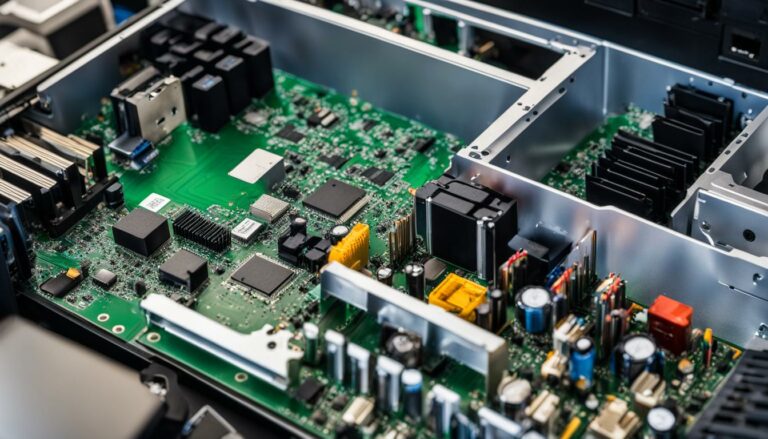
A broader recycling discussion also benefits from including computer unit reclamation in the same practical context.
4654]” data-testid=”conversation-turn-53″>
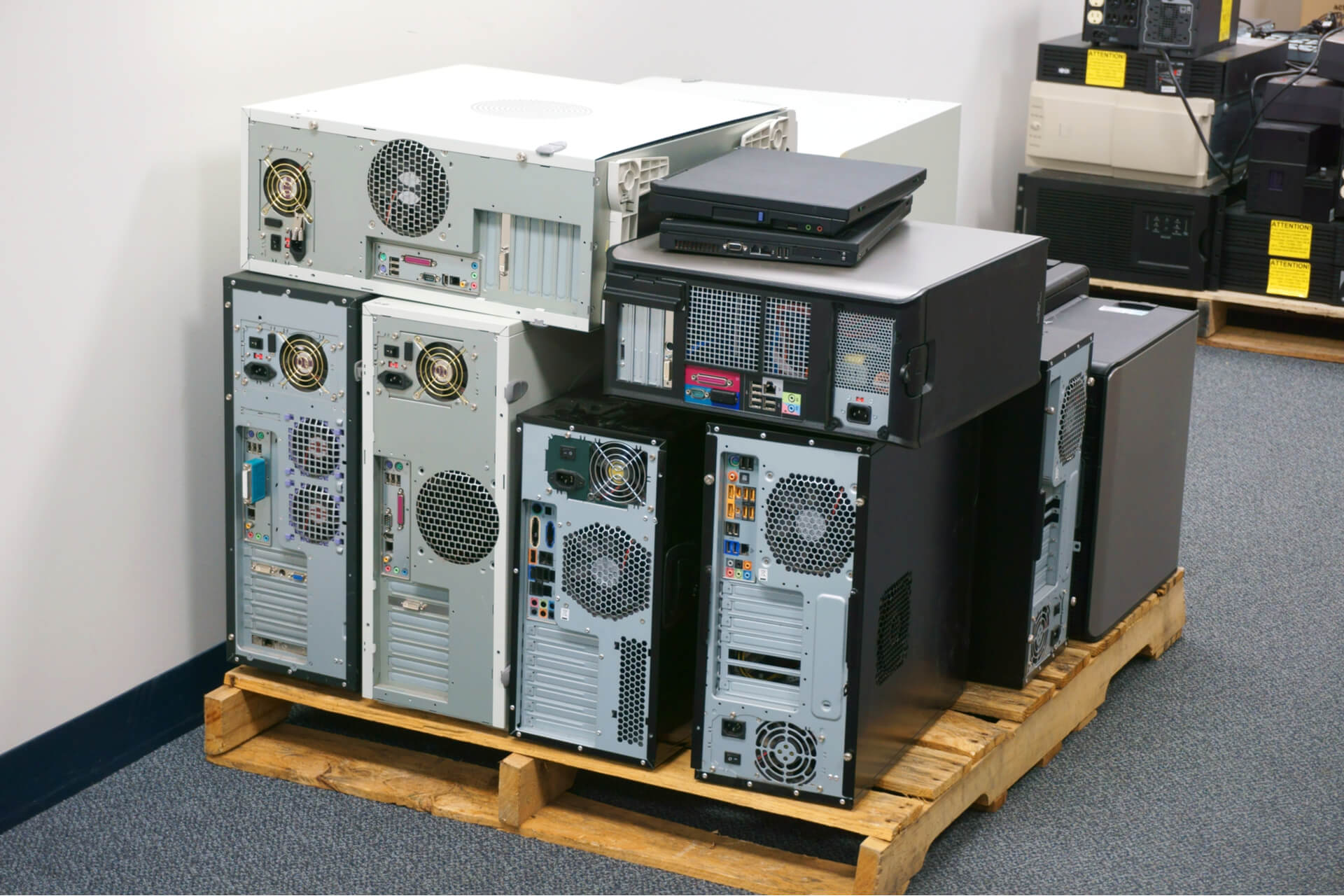
Disposing of old computers responsibly is a critical task in today’s digital age. Whether you’re wondering how to dispose of old computers or looking for eco-friendly methods, this article aims to guide you through the process. The issue of e-waste is escalating, making it more important than ever to focus on responsible disposal methods for old computers.
The importance of responsibly disposing of old computers cannot be overstated, both for environmental sustainability and data security. This article serves as a comprehensive guide on how to dispose of old computers in a manner that is both eco-friendly and secure.
We’ll delve into the reasons why responsible disposal is crucial, explore the various options available for disposing of old computers, and provide best practices to ensure you’re doing it the right way. Real-world case studies will also be shared to illustrate the benefits of taking this issue seriously.
Why Disposing of Old Computers Responsibly Matters
The act of responsibly disposing of old computers goes beyond just getting rid of electronic clutter. It addresses several critical issues that have long-term implications for both individuals and society at large. Here are some compelling reasons why you should take this matter seriously:
Environmental Impact
The improper disposal of old computers contributes to the growing problem of e-waste, which can have devastating effects on the environment. Computers contain hazardous materials like lead, mercury, and carcinogens that can leach into the soil and waterways if dumped in landfills. By responsibly recycling or repurposing your old computers, you help protect the natural environment from these harmful substances. Read more about the environmental impact on Wikipedia.
Data Security
When you dispose of an old computer, you’re not just getting rid of the physical device but also the data stored on it. Simply deleting files or formatting the hard drive is not sufficient to ensure data security. Proper disposal practices include secure data wiping techniques that adhere to industry standards, ensuring that sensitive information—be it personal data or corporate secrets—is completely eradicated.
Legal Compliance
Improper disposal of IT assets can lead to severe legal repercussions. Various laws and regulations govern the disposal of electronic waste, such as the Waste Electrical and Electronic Equipment Directive (WEEE) in Europe or the Resource Conservation and Recovery Act (RCRA) in the United States. Responsible disposal ensures that you are in compliance with these laws, helping you avoid hefty fines and potential legal action.
How to Dispose of Old Computers…
Before you proceed with disposing of your old computer, there are several crucial steps you need to take to ensure both data security and ease of recycling. Skipping these steps could lead to data breaches or complications in the recycling process. Here’s what you should do:
Backing Up Data
The first and most crucial step is backing up data. Make sure to transfer all essential files, documents, and software to an external hard drive or a cloud storage service. This ensures that you won’t lose any important data during the disposal process. Double-check to make sure you’ve backed up everything you need before moving on to the next step.
Data Wiping and Secure Erasure
Once you’ve backed up your data, the next step is data wiping and secure erasure. Simply deleting files or formatting your hard drive is not enough; the data can still be recovered with specialized software. Use certified data wiping software that adheres to industry standards to ensure that all data is permanently erased. This is crucial for protecting sensitive information and complying with data protection laws.
Detaching Peripherals and Accessories
Finally, detaching peripherals and accessories is an often-overlooked but important step. Remove all external devices like mice, keyboards, and printers, as well as internal components like additional RAM or graphics cards that you might have installed. This makes it easier for the recycling center to process the computer and also allows you to reuse or recycle these components separately.
How to Dispose of Old Computers: The Options
Once you’ve prepared your old computer for disposal, the next step is to decide on the best method for getting rid of it. There are several options available, each with its own set of advantages and disadvantages. Here’s a rundown of the most common methods:
Recycling Centers
Recycling Centers are facilities specifically designed to handle e-waste, including old computers. These centers have the necessary equipment and expertise to safely dismantle and recycle electronic devices, ensuring that hazardous materials are properly managed. This is a good option if you’re looking for a straightforward way to recycle your old computer responsibly.
Certified Recyclers
Certified Recyclers are organizations that have received certification from governing bodies for adhering to strict recycling standards. These recyclers ensure that your old computer is recycled in an environmentally responsible manner and that all data is securely wiped. Opting for a certified recycler adds an extra layer of assurance that you’re doing the right thing.
Donation Programs
Donation Programs offer a way to give your old computer a second life. Many charities and educational institutions accept donations of old computers, provided they are in working condition. Before donating, make sure to wipe all data securely and check if the organization has specific requirements for donations.
Selling or Trading-In
If your old computer is still in good working condition, Selling or Trading-In is another option. Many retailers offer trade-in programs where you can get credit towards a new purchase. Alternatively, you can sell it online through platforms like eBay or Craigslist. Just make sure to wipe all data securely before handing it over to the new owner.
Disposing of Old Computers: Choosing the Right Method for You
Deciding on the best way to dispose of your old computer can be a daunting task, especially with multiple options available. To make an informed decision, it’s essential to weigh various factors and understand the pros and cons of each method. Here’s a guide to help you choose the right disposal method for your needs:
how to dispose of old computers: Factors to Consider
When choosing a disposal method, consider the following factors:
Data Sensitivity: If your computer contains sensitive or confidential information, you’ll want to opt for a method that ensures secure data wiping.
Condition of the Computer: The physical state of your computer can dictate which disposal methods are viable. For instance, a broken computer might not be suitable for donation but can still be recycled.
Environmental Concerns: If you’re particularly eco-conscious, you may prefer methods that are environmentally friendly, such as certified recyclers or donation programs.
Convenience: Some methods may be more convenient than others, depending on your location and the services available in your area.
Financial Incentives: Selling or trading in your computer can offer financial benefits, but this usually requires the device to be in good working condition.
Pros and Cons of Each Method
Here’s a quick rundown of the pros and cons of each disposal method:
Recycling Centers
Pros: Environmentally responsible, straightforward process
Cons: May not offer data wiping services, less convenient if no nearby centers
Certified Recyclers
Pros: Secure data wiping, environmentally responsible
Cons: May involve a fee, less convenient if no certified recyclers in your area
Donation Programs
Pros: Provides social benefits, environmentally friendly
Cons: Requires the computer to be in working condition, data wiping is your responsibility
Selling or Trading-In
Pros: Financial benefits, convenient if trading in at the same retailer
Cons: Requires the computer to be in good condition, secure data wiping is your responsibility
Best Practices in Disposing of Old Computers
Choosing the right disposal method is just the first step; it’s equally important to follow best practices to ensure that the process is both secure and environmentally responsible. Here are some key aspects to consider:
Disposing of Old Computers: Importance of Certification
When it comes to recycling, not all facilities are created equal. Opting for a certified recycler ensures that your old computer will be processed in an environmentally responsible manner and that all data will be securely wiped. Certifications like e-Stewards or R2 are indicators of a recycler’s commitment to adhering to high standards.
Why it’s Important:
Ensures environmental responsibility
Guarantees secure data wiping
Provides peace of mind
Secure Transportation
If you’re not personally dropping off your old computer at a recycling center or other disposal facility, it’s crucial to ensure secure transportation. This is especially important if the device contains sensitive or confidential information.
What to Look For:
Services that offer GPS tracking
Secure containers for transportation
Chain of custody documentation
Local Regulations
Different regions have different local regulations governing the disposal of electronic waste. It’s essential to be aware of these regulations to avoid any legal repercussions. For instance, some areas may have specific recycling programs, while others might have restrictions on disposing of electronics in landfills.
Why it’s Important:
Avoids legal repercussions
Ensures you’re following environmentally responsible practices
May offer local incentives for responsible disposal
Conclusion
In today’s digital age, the question of how to dispose of old computers responsibly is more relevant than ever. As we’ve explored in this article, there are multiple methods available, each with its own set of advantages and disadvantages. Whether you opt for recycling centers, certified recyclers, donation programs, or selling and trading-in, the key is to make an informed decision based on factors like data sensitivity, environmental impact, and local regulations.
We’ve also highlighted the importance of following best practices in how to dispose of old computers, such as opting for certified recyclers, ensuring secure transportation, and being aware of local regulations. These practices not only protect your data but also contribute to environmental sustainability and legal compliance.
Disposing of Old Computers: Additional Resources
To help you take the next steps in responsibly disposing of your old computers, we’ve compiled a list of additional resources that can guide you through the process. These resources cover various aspects of disposal, from certified recyclers to data wiping software.
Certified Recyclers
e-Stewards: A global leader in promoting safe and responsible electronics recycling. Visit e-Stewards
R2 Certified: Another reputable certification program that ensures recyclers adhere to high environmental and data security standards. Visit R2 Certified
Data Wiping Software
DBAN (Darik’s Boot and Nuke): A free data destruction software that securely wipes hard drives. Download DBAN
Eraser: A secure data removal tool for Windows that allows you to permanently erase sensitive data. Download Eraser
As our reliance on electronic devices continues to grow, so does the challenge of managing their disposal and recycling responsibly. Improper disposal of e-waste can…
In an age where technology is evolving at an unprecedented rate, the question of what happens to outdated or discarded devices is becoming increasingly important….
In today’s world, the proper management of electronic waste, or e-waste, is becoming increasingly important. Waste management companies are implementing cutting-edge techniques to recover valuable…
Server recycling is a crucial step in ensuring the safety and sustainability of your IT department. Disposing of servers without proper care can pose a…
Advantages Of Laptop Recycling in 2021 Every year different types of laptops of different companies or brands along with new innovations come into the market…
Electronic waste, or e-waste, is the fastest growing form of domestic waste globally. In 2019, around 50 million metric tonnes of e-waste were produced, with…
We use cookies on our website to give you the most relevant experience by remembering your preferences and repeat visits. By clicking “Accept”, you consent to the use of ALL the cookies.
This website uses cookies to improve your experience while you navigate through the website. Out of these cookies, the cookies that are categorized as necessary are stored on your browser as they are essential for the working of basic functionalities of the website. We also use third-party cookies that help us analyze and understand how you use this website. These cookies will be stored in your browser only with your consent. You also have the option to opt-out of these cookies. But opting out of some of these cookies may have an effect on your browsing experience.
Necessary cookies are absolutely essential for the website to function properly. This category only includes cookies that ensures basic functionalities and security features of the website. These cookies do not store any personal information.
Any cookies that may not be particularly necessary for the website to function and is used specifically to collect user personal data via analytics, ads, other embedded contents are termed as non-necessary cookies. It is mandatory to procure user consent prior to running these cookies on your website.
We use cookies to ensure that we give you the best experience on our website. If you continue to use this site we will assume that you are happy with it.